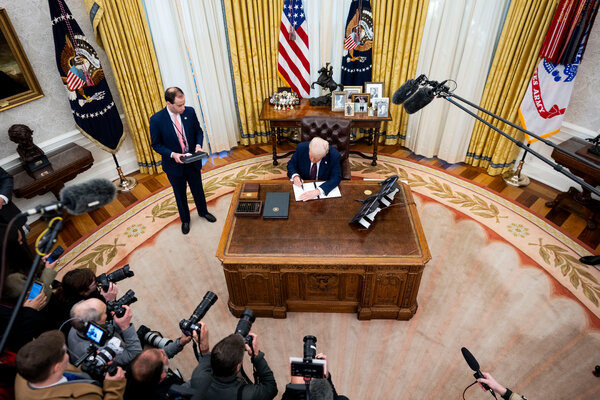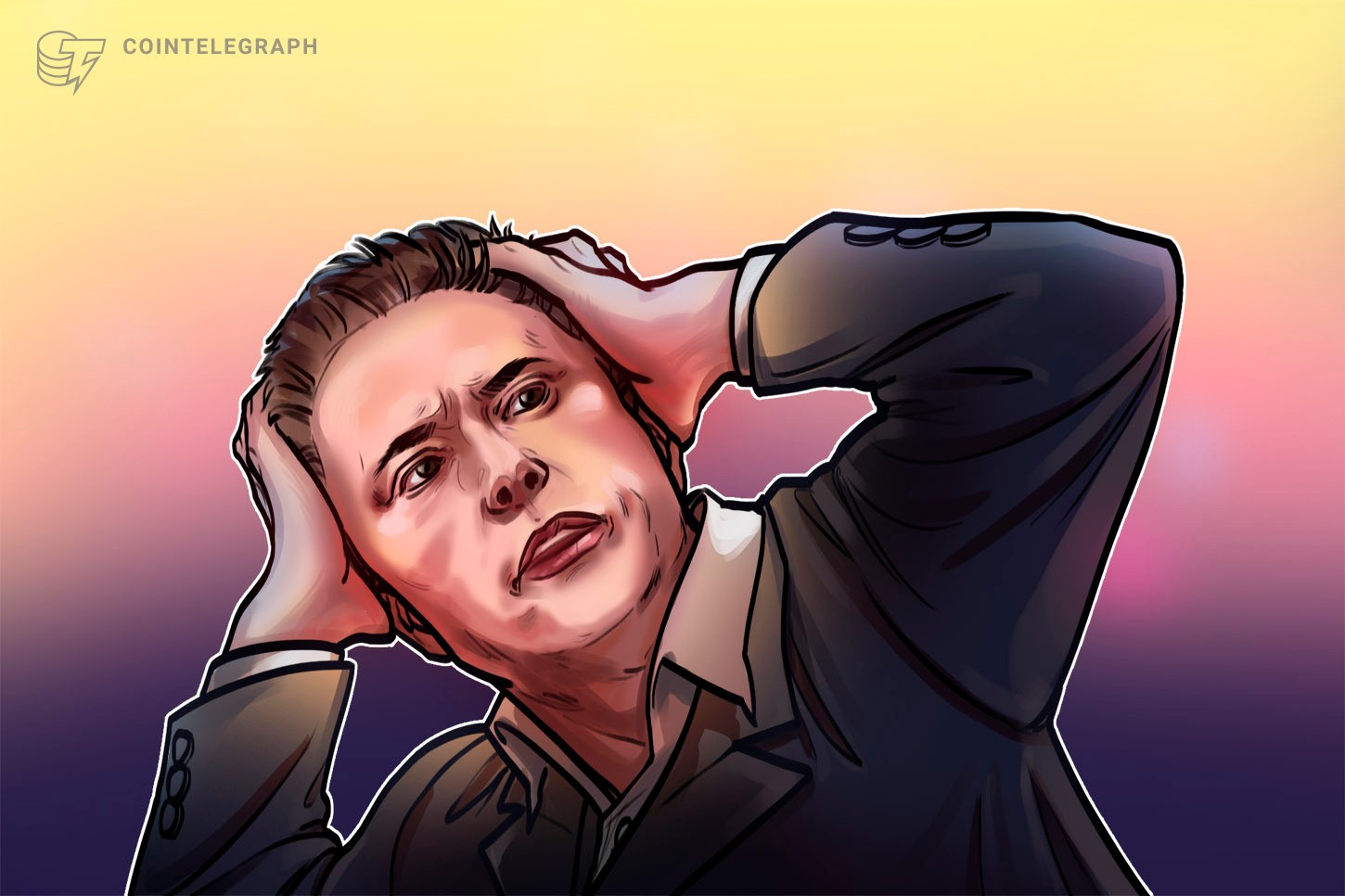
The high-profile trial of Elon Musk versus Sam Altman is now in its seventh day. A federal jury in Oakland, California faces a pivotal question: Can an entity that began as a nonprofit charity become a for-profit business without honoring its charitable obligations?
OpenAI, co-founded by Musk and Altman, was established with a legally binding commitment to develop artificial intelligence for the benefit of humanity. This promise has been breached.
What emerged in December 2015 as a nonprofit dedicated to advancing safe, open AI has evolved into a closed-source, profit-driven entity valued at $850 billion.
This transformation went beyond a business strategy; it represented a breach of charitable trust. Musk and Altman, along with Greg Brockman, founded OpenAI. Prior to its launch, Musk had growing concerns about the risks of advanced AI, and Altman shared similar worries about AI concentration in major corporations.
At OpenAI’s inception, Musk played a pivotal role: he conceived the project, recruited key talent, and invested tens of millions of dollars. The founding charter aimed to advance digital intelligence safely and openly without commercial pressures.
Internal documents, emails, and Musk’s sworn testimony during the trial have clarified that OpenAI would not have been supported had Musk known it was evolving into a Microsoft-backed profit engine—a development that occurred.
After Musk resigned from OpenAI’s board in 2018 over conflicts with Tesla’s AI initiatives, the company shifted strategy. It first sought capital and then attracted billions from Microsoft. By 2025, OpenAI had fully restructured as a for-profit entity, securing a 27% stake worth $135 billion from Microsoft.
OpenAI’s ChatGPT became commercially successful while the original open-source safety mission was quietly discontinued.
The organization Musk helped create to prevent AI from falling under the control of profit-driven giants now partners with one of them.
Musk testified that by late 2022, he had lost confidence in Altman’s commitment to the nonprofit charter and has renounced any personal financial gain from a legal victory.
This case centers on enforcing rules protecting donors who expect their contributions to remain within a charitable framework. The stakes are high: if the court allows OpenAI’s transformation to stand, it would set a dangerous precedent for charities nationwide.
Such a precedent could enable nonprofit entities to use founders’ reputations and initial donations to pivot into for-profit models once funds and talent are secured, potentially causing a significant decline in charitable giving across America.
The trial is expected to last three to four weeks. After hearing testimony, reviewing emails, and analyzing the timeline, the jury must determine whether promises made in the name of humanity still hold value.