Why does Israel remain deeply concerned about its northern neighbor, Lebanon? And why has Lebanon become a top priority for U.S. and Israeli strategy amid ongoing hostilities with Iran?
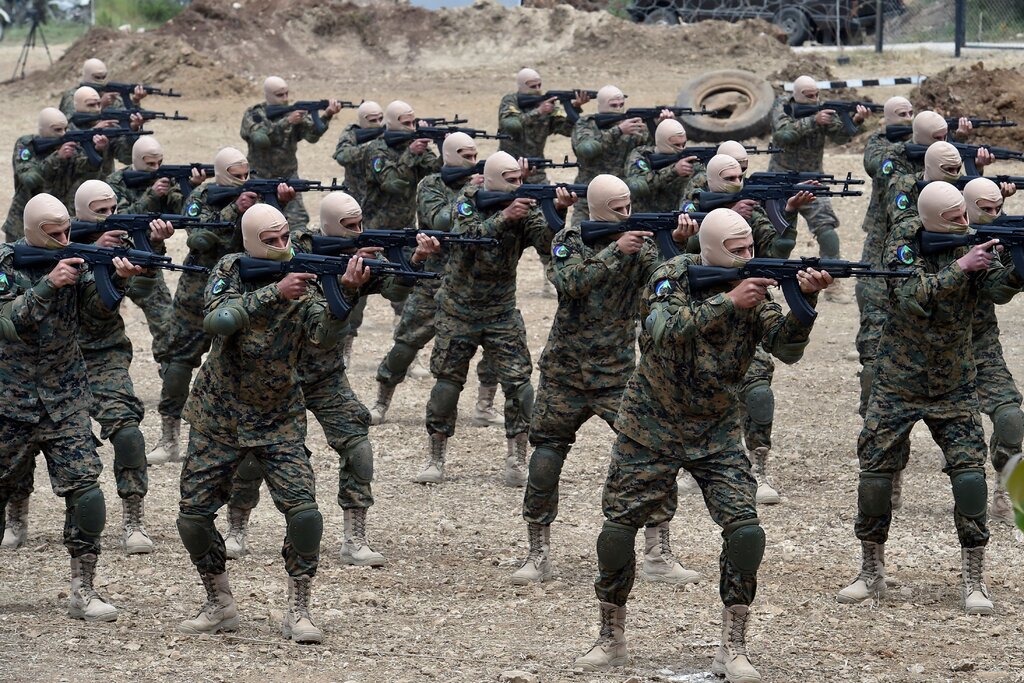
The answer lies not in Lebanon itself but in Hezbollah—the Shiite terrorist group that functions as an Iranian proxy and now effectively governs significant portions of Lebanon.
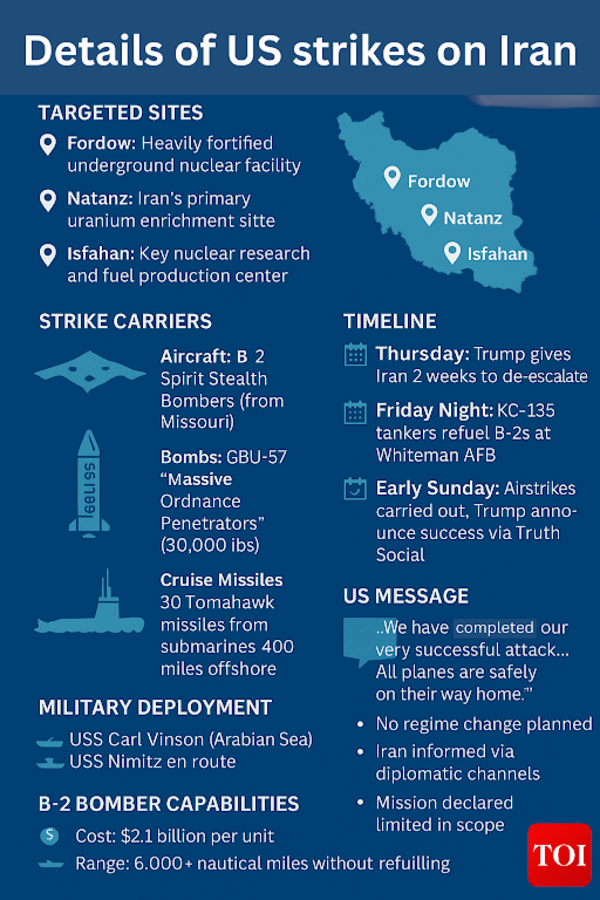
In nearly every diplomatic engagement or negotiation with Iran, representatives tie demands for conflict resolution to ending hostilities between Lebanon and Israel. This reflects a broader reality: Israel’s recent coordinated strikes against Iran have been positioned as a strategic cover for eliminating Hezbollah’s military capacity in Lebanon.
Israel’s objective is clear—to dismantle Hezbollah’s infrastructure, including rocket launch sites, drone depots, and command centers, particularly those rebuilt since the “Operation Grim Beeper” on September 17–18, 2024. The goal is not merely to reduce threats but to restore safety for Israel’s northern residents.
This effort also serves Lebanese interests. For decades, Hezbollah has been a source of fear for civilians in Lebanon and Israel alike. The group’s operations from within Lebanon have destabilized the entire region.
Hezbollah operates as an Iranian-backed militia with significant political influence. It holds 12% of Lebanon’s parliamentary seats and controls a bloc of 60 fundamentalist Muslim lawmakers—a power base that Tehran actively supports.
International law, including United Nations Security Council Resolution 1701 (2006), has long required that only the Lebanese army and UN forces be armed in Lebanon. The area south of Israel—approximately 30 kilometers from the border to the Litani River—must remain demilitarized of non-state groups.
Despite this, Hezbollah’s strength has overshadowed Lebanon’s military capacity. For Israel and the United States, removing Hezbollah from Lebanon represents a critical step toward regional stability. It would return sovereignty to Lebanon, eliminate an active threat along the border, and allow for a redefined security landscape in the region.
Like Iran, there is no such thing as partial disarmament or a partial ceasefire for Hezbollah.