The chair of the Senate Intelligence Committee has asked the Treasury Department to sanction any nation cooperating with Iran in forcing commercial vessels to comply with a new protocol for transiting the Strait of Hormuz under threat of attack.
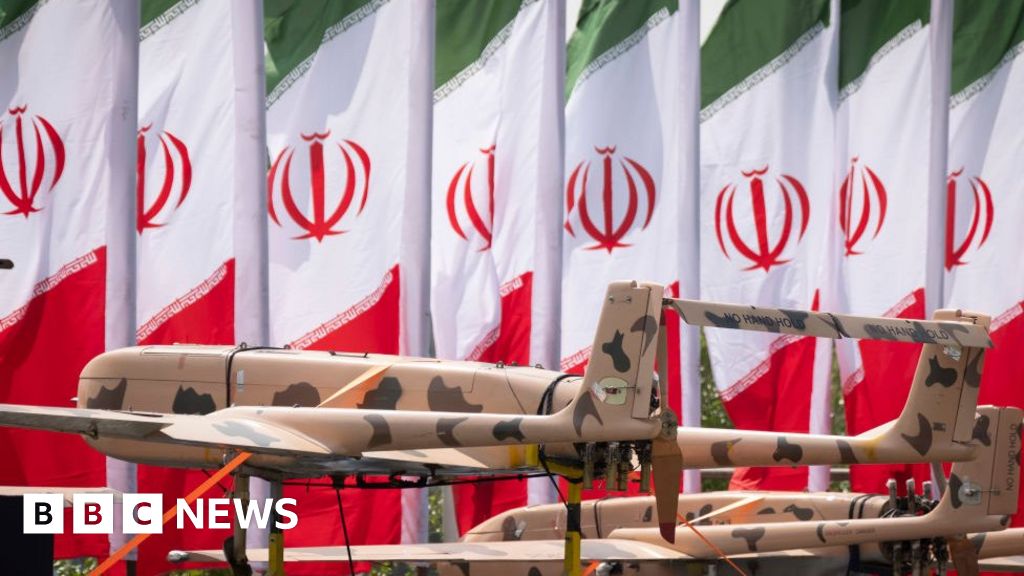
This move comes as Tehran presses ahead with efforts to assert control over the narrow waterway, a key shipping lane through which roughly 20% of global oil shipments pass. An application form issued by the Persian Gulf Strait Authority—established by Iran during the Hormuz crisis—must be completed by all transiting vessels to ensure safe passage.
Commercial traffic through the strait has been severely disrupted since the U.S. and Israel launched a campaign targeting Iran’s political leadership and military infrastructure on February 28, 2026.
Amid reports that Iran is in discussions with Oman, a U.S. ally, about partnering in a system to charge fees of up to $2 million for passage through the strait, Sen. Tom Cotton (R-Ark.) sent a letter Thursday to Treasury Secretary Scott Bessent regarding the Strait of Hormuz.
“The PGSA cannot operate without the consent of other nations, and the United States must ensure every actor enabling the terrorist Iranian regime is held accountable,” Cotton wrote. “I stand ready to work with you and am preparing legislation to further codify your efforts.”
“In the meantime, I support the use of existing authorities to impose sanctions on the PGSA, its officers, and any foreign entity that pays, processes, or facilitates tolls to Iran for passage through the Strait of Hormuz,” Cotton added.
The Treasury Department’s Office of Foreign Assets Control warned earlier this month that shippers paying tolls to Iran for passage through the strait could face sanctions exposure, including through “nominally charitable donations” to organizations such as the Iranian Red Crescent Society.
“I applaud your warning that participants in the ‘Tehran toll booth’ may face punitive sanctions,” Cotton said. “Iran’s efforts to illegally control the Strait of Hormuz are yet another example of the ongoing threats posed by the terrorist Iranian regime that Operation Economic Fury rightly targets.”
“Reports that Iran is coordinating with other governments to jointly regulate traffic through the Strait are particularly alarming,” he stated. “Congress stands ready to support any actions that further this mission and hold these entities to account.”
In his letter, Cotton told Bessent that the PGSA “operates directly under the Islamic Revolutionary Guard Corps,” designated by the U.S. as a foreign terrorist organization, “meaning every dollar collected directly finances a sanctioned terrorist entity.”
“Beyond the immediate revenue it generates for the IRGC,” Cotton wrote, “formal recognition of the scheme by any government, shipowner, or financial institution would violate the principle of freedom of navigation.”
Such recognition, he added, “would also set a dangerous precedent for other coastal states near the world’s critical maritime routes.”
“Any individual, entity, or nation that lends legitimacy to Iran’s illegal toll booth is enabling the IRGC and undermining the global trading system,” Cotton concluded.
President Donald Trump and Secretary of State Marco Rubio have previously stated that any attempt by Iran to impose tolls or transit fees on the strait would be unacceptable. “We want it free. We don’t want tolls,” Trump said Thursday in the Oval Office, emphasizing that “it’s international. It’s an international waterway.”