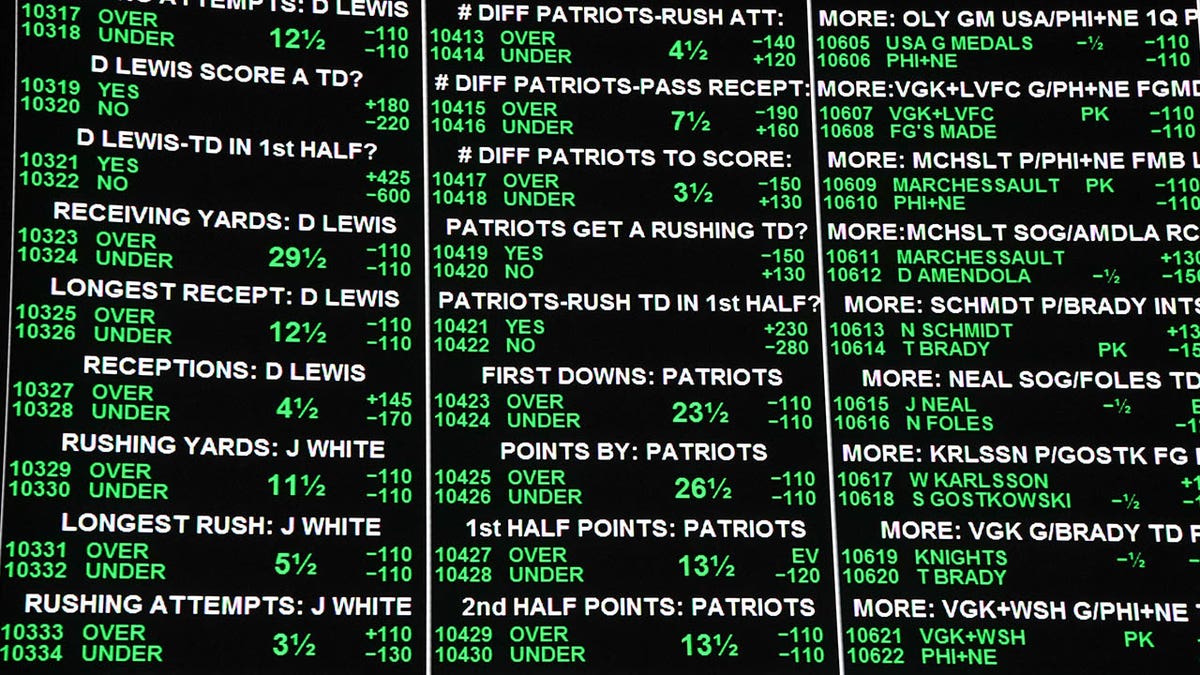
A bipartisan Senate bill has been introduced that seeks to prevent prediction markets from accepting or listing transactions related to sporting events and casino-style games. The legislation, proposed by Sens. John Curtis (R-Utah) and Adam Schiff (D-Calif.), would prohibit platforms regulated by the Commodity Futures Trading Commission — including fast-growing exchanges such as Kalshi and Polymarket — from offering contracts tied to sporting events.
The bill also targets so-called “casino-style games,” banning contracts linked to activities such as slot machines, blackjack, video poker, and bingo.
Mick Mulvaney, former White House chief of staff under President Donald Trump during his first administration, stated in a recent statement that prediction market platforms have unilaterally made sports gambling available on every phone in the country regardless of local laws and in disregard for consumer protections.
“The CFTC is attempting to sow confusion about who regulates sports gambling in this country,” Mulvaney added. “The law is clear: sports betting is a state issue.”
Schiff warned that the platforms intrude on state authority and tribal sovereignty while generating no public revenue.
Curtis echoed those concerns, pointing out that too many young people in Utah are being exposed to addictive gambling products disguised as financial instruments that belong under state control.
Prediction markets, which allow users to place yes-or-no wagers on real-world outcomes, have surged in popularity over the past year. While initially focused on politics and economic indicators, a significant portion of trading activity has shifted to sports, putting the platforms in direct competition with traditional sportsbooks such as DraftKings and FanDuel.
The rapid growth has drawn scrutiny from lawmakers, regulators, and state officials. Several states, including Nevada and Arizona, have already taken legal action against prediction market operators, arguing they are offering illegal gambling without proper licensing.
Critics say the platforms exploit a regulatory gray area by operating under federal commodities law rather than state gaming rules, effectively allowing betting nationwide even in states where sports gambling is restricted.
Supporters of the bill argue it will restore proper oversight and protect consumers by ensuring gambling remains regulated at the state level. However, industry players are pushing back. A representative for Kalshi warned that banning sports-related contracts on regulated platforms could drive users to offshore markets with little or no oversight.
“Banning sports on regulated prediction markets would just push this behavior offshore, where no regulation exists,” a company spokeswoman stated.
The debate comes as prediction markets attract billions in trading volume and major partnerships, including recent deals with professional sports leagues. At the same time, concerns about insider trading, market manipulation, and the broader social impact of widespread gambling access have intensified.