Former Israeli Consul General in New York Ido Aharoni stated Saturday that Israel is unlikely to launch major military operations against Iran before October’s national elections without President Donald Trump’s explicit approval.
Aharoni emphasized during remarks on a recent program that Israel would not act independently but require coordination with the United States. “I don’t think Israel will do anything without getting the green light from President Donald Trump and his administration,” he said. “It’s highly unlikely that Israel will act alone without coordination with the Americans at this point.”
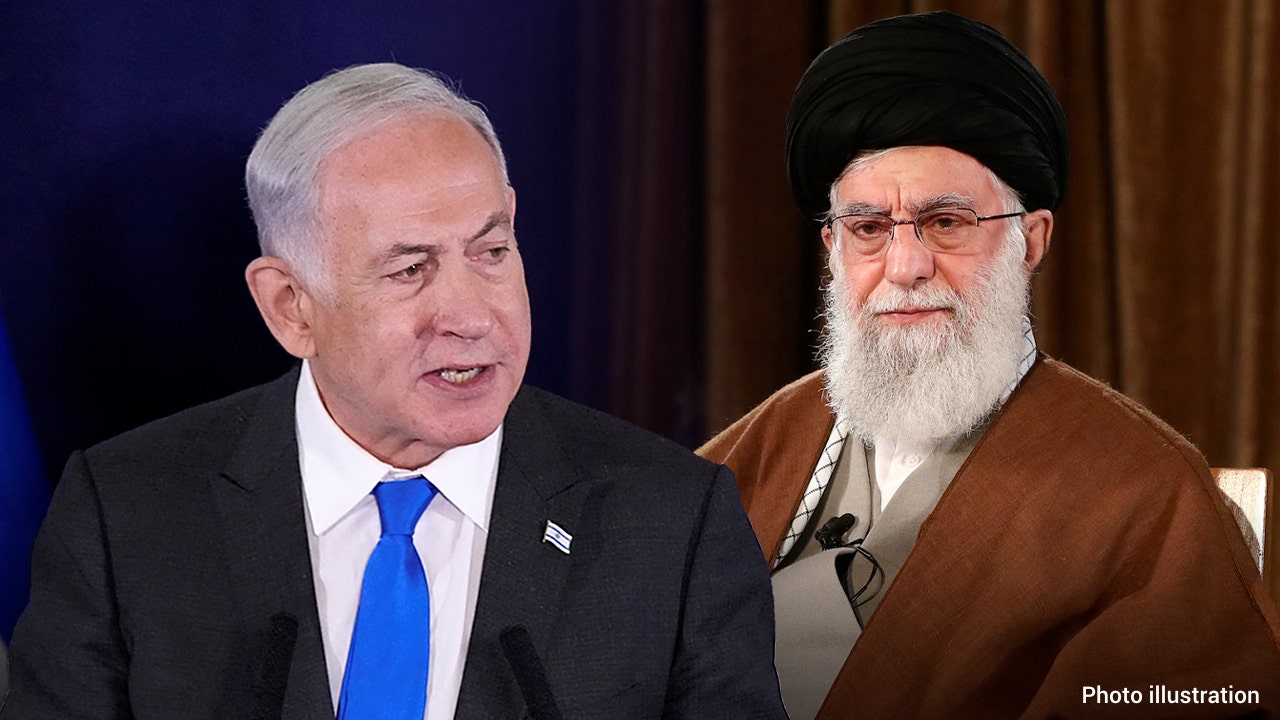
Aharoni’s comments followed reports that Iran had identified new Israeli targets it claimed could not be repaired for years if struck. While President Donald Trump recently indicated he is considering a major attack on Iran, Israeli Prime Minister Benjamin Netanyahu is expected to travel to Washington for talks with the president.
Although Aharoni does not anticipate Israel reengaging Iran before October 27 elections, he noted that Israel could still play a military role if requested by the United States. “If the United States were to reengage Iran and would require Israel to serve as a subcontractor, as Israel did in the past, I think then that will happen,” he said.
Aharoni dismissed Iran’s latest threats against Israeli infrastructure as nothing new. “This has always been the Iranian plan,” he remarked. He added that Israel remains accurate: “We know that, but we also have our own plan. And as the Iranians painfully learned, we’re pretty accurate.”
The former diplomat praised President Donald Trump’s decision to link a proposed U.S.-Saudi nuclear agreement to Saudi Arabia joining the Abraham Accords. “I think it’s a wonderful thing that the president is stressing the need to link any kind of progress in the Kingdom of Saudi Arabia to the Abraham Accords,” he stated.
Aharoni explained such an agreement would strengthen Saudi Arabia’s position against Iran and China while drawing the kingdom closer to the United States, effectively “pushing Saudi Arabia into the arms of the pro-American axis.” However, he cautioned that expanding civilian nuclear capabilities in the region could risk a regional nuclear arms race. “The only downside I can see here is that this could trigger a regional nuclear arms race,” he said.
Addressing reports of Kuwait and Bahrain directly retaliating against Iran, Aharoni noted recent military developments have altered the Middle East’s power balance. He stated that while Operation Epic Fury had not yet toppled Iran’s regime, it had restored deterrence against Tehran. “What happened with the Iranians? They made a terrible mistake miscalculating President Donald Trump, miscalculating the Israel Defense Forces, and the Israeli Air Force,” he said.
As a result, Aharoni added that Gulf nations have become more willing to confront Iran. “Saudi Arabia is certainly a third,” he explained. “They feel emboldened and feel that they can actually attack Iran. Iran is not so mighty militarily as we tended to think.”
Aharoni noted shifting regional dynamics are likely to continue as Middle Eastern nations reassess Iran’s military strength.