On Thursday, March 26, 2026, President Donald Trump stated that Iran had permitted 10 oil tankers, including some flying Pakistan’s flag, to transit through the Strait of Hormuz as a goodwill gesture linked to negotiations. He characterized the move during a White House Cabinet meeting as evidence that Tehran was “real and solid” in its outreach efforts.
In subsequent remarks, Trump described the tanker passage as the “present” he had earlier labeled “worth a tremendous amount of money” tied to energy flows through the strait.
Trump noted that Iran initially indicated it would allow eight “big boats of oil” before increasing the number to ten, and that the vessels safely navigated one of the world’s most critical energy chokepoints.
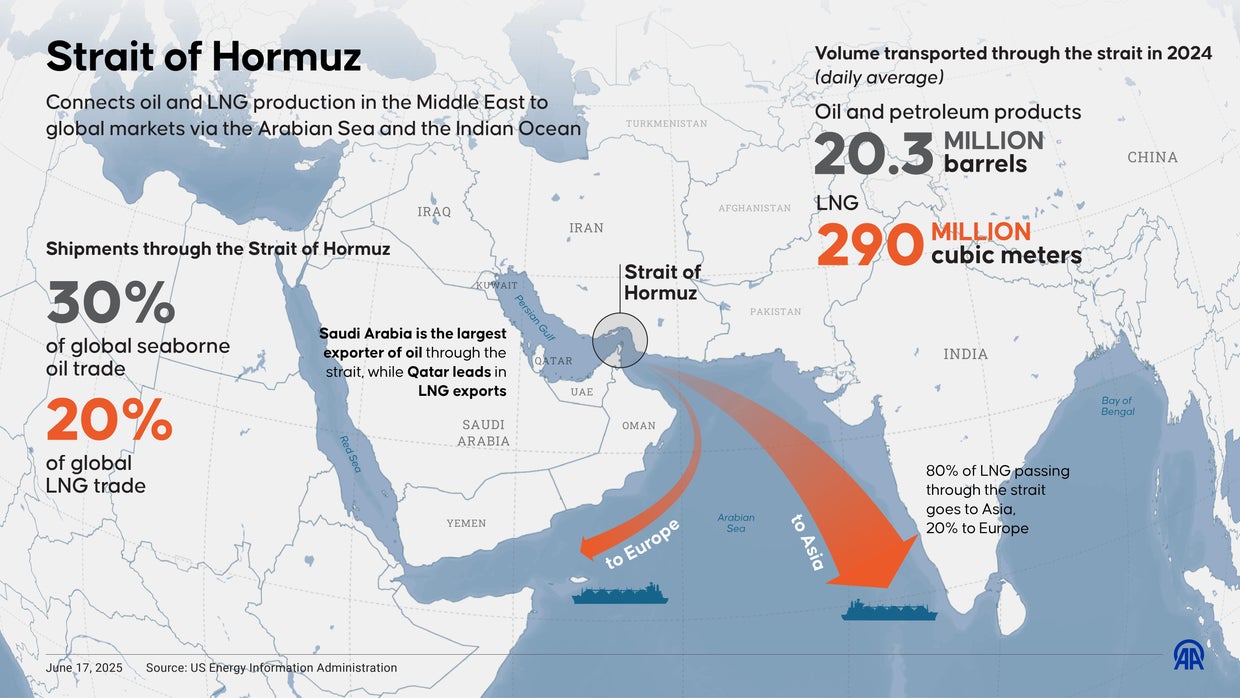
The comments come amid escalating tensions over Iran’s tightening control of the narrow maritime corridor, which carries approximately one-fifth of global oil shipments according to the U.S. Energy Information Administration. Iranian officials have signaled they could restrict passage through the Strait of Hormuz to “non-hostile nations” and impose transit fees for ships seeking safe passage.
This approach has effectively granted Tehran leverage over a route used by major exporters including Saudi Arabia, Iraq, Kuwait, and the United Arab Emirates. Even partial restrictions have created bottlenecks and delays in global supply chains. Maritime tracking data shows that shipping traffic through the strait has occasionally dropped sharply from typical daily levels of about 100 vessels.
Energy markets have reacted with rapid price increases and heightened volatility as traders anticipate prolonged disruptions. Insurance premiums for tankers entering the corridor have surged, and some shipping companies have avoided the route entirely, further constraining supply and elevating costs for refiners and consumers. Iran has previously threatened to close the Strait of Hormuz outright during confrontations, but analysts note that its current strategy of selective access allows it to exert pressure without triggering a full-scale military response.
U.S. officials have warned that any sustained attempt to block the waterway would provoke a strong reaction due to its vital role in global energy security. Trump framed the reported tanker passage as indicative of potential progress, suggesting Iran was willing to make limited concessions despite ongoing disputes over sanctions, regional security, and nuclear policy. Market analysts indicate that volatility will likely persist as long as Iran maintains control over access to the Strait of Hormuz and uses its leverage to influence both negotiations and global oil flows.