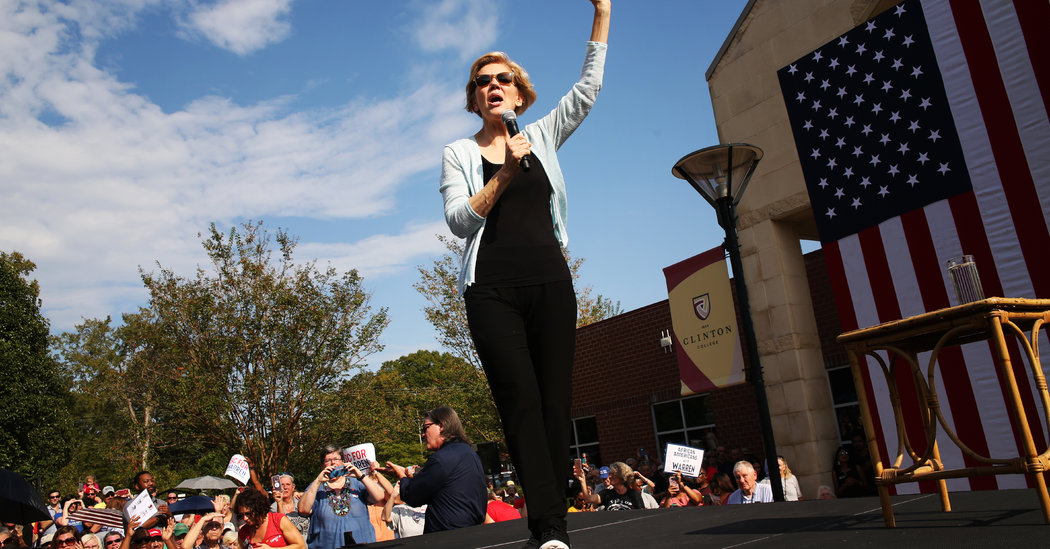
U.S. Senator Elizabeth Warren and progressive members of Congress have introduced legislation to impose annual taxes on household wealth exceeding $50 million, with a 3% rate applying to assets surpassing $1 billion.
The proposed Ultra-Millionaire Tax Act of 2026, co-sponsored by Representatives Pramila Jayapal and Brendan Boyle, targets approximately 260,000 households—roughly the top 0.15% of Americans—while maintaining existing tax rates for most taxpayers.
Proponents argue that the current system fails to adequately capture the wealth held by ultra-high-net-worth individuals, resulting in lower effective tax rates compared to middle- and working-class families. They point to research showing that the top 0.1% of households hold nearly as much wealth as the bottom 90%.
Under the plan, the tax would generate an estimated $6.2 trillion over a decade, according to analysis provided by the bill’s sponsors. The revenue is intended to fund initiatives including universal child care, expanded housing construction, increased child tax credits, tuition-free community college, and lowering the Medicare eligibility age to 55.
The legislation also includes enforcement mechanisms designed to reduce tax avoidance, such as a $100 billion investment in the IRS, a minimum audit rate of 30% for targeted households, and a 40% “exit tax” on individuals who renounce U.S. citizenship.
Supporters claim the proposal would help level the playing field and address wealth disparities, including racial gaps, while boosting federal revenue from high-wealth households. However, the measure is projected to face opposition from Republicans and business groups, which argue that such taxes are complex to administer and could negatively impact investment and economic growth.
Similar legislation has not advanced in previous Congresses, and the bill’s introduction has reignited debate over whether wealth, rather than income, should be taxed—a policy gaining traction among some Democrats but remaining politically contentious.