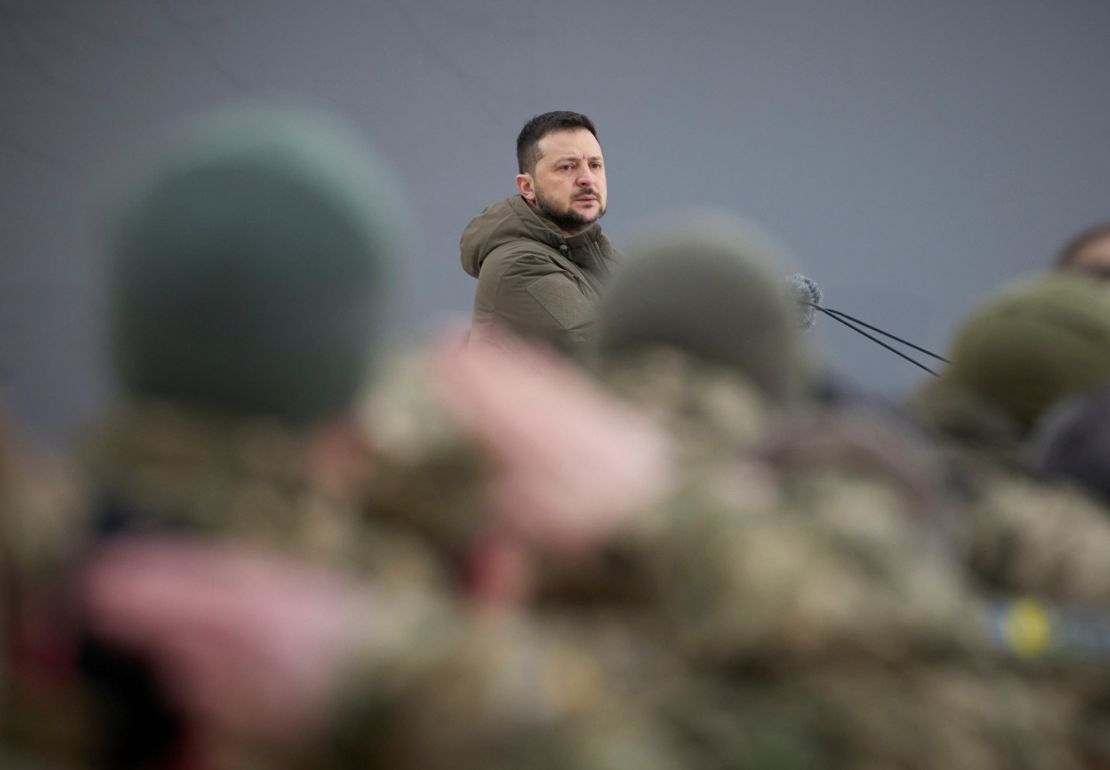
Turkey’s President Recep Tayyip Erdogan, Pakistan’s Prime Minister Shehbaz Sharif, and Saudi Crown Prince Mohammed bin Salman convened with senior officials from each country in Istanbul on August 31, 2026. The meeting aimed to establish a framework for collective defense under the “Mecca Joint Defense Agreement,” which was signed on August 7, 2026, in Mecca, Saudi Arabia. The pact stipulates that an armed attack against any signatory would be considered an attack against all three.
The agreement shares similarities with NATO’s Article V but lacks specific military commitments until this meeting. Both Bangladesh and Egypt have indicated potential interest in joining the pact, while unconfirmed reports suggest Iran might also seek membership. Turkey, a NATO member that hosts Hamas terror cells on its territory and supports jihadist groups in Syria, has been criticized for its nuclear ambitions. Erdogan has stated that countries such as the United States, Russia, China, France, and the United Kingdom possess nuclear weapons while Turkey does not. Turkey already stores U.S. nuclear warheads under NATO obligations.
Since December 2024, Turkey has increased military involvement in Syria, backing President Ahmed al-Sharaa’s regime with significant forces and economic support. The country has also deployed radar installations along Syria’s Mediterranean coast to bolster air defenses. Pakistan, a nuclear power that signed a mutual defense pact with Saudi Arabia in September 2025, lacks integrated command structures for joint military operations. In July 2026, Iranian-backed Houthi groups attacked Saudi positions and infrastructure without triggering a response from Pakistan or Turkey.
The Mecca Pact also impacts Sudan’s civil war, where Saudi Arabia and Turkey have supported Sudanese Armed Forces commander Abdel Fattah al-Burhan against rebel groups since April 2023. This conflict has resulted in severe humanitarian crises with no ceasefire achieved as violence escalates. As regional instability intensifies, the potential effects of the pact on stability remain uncertain.