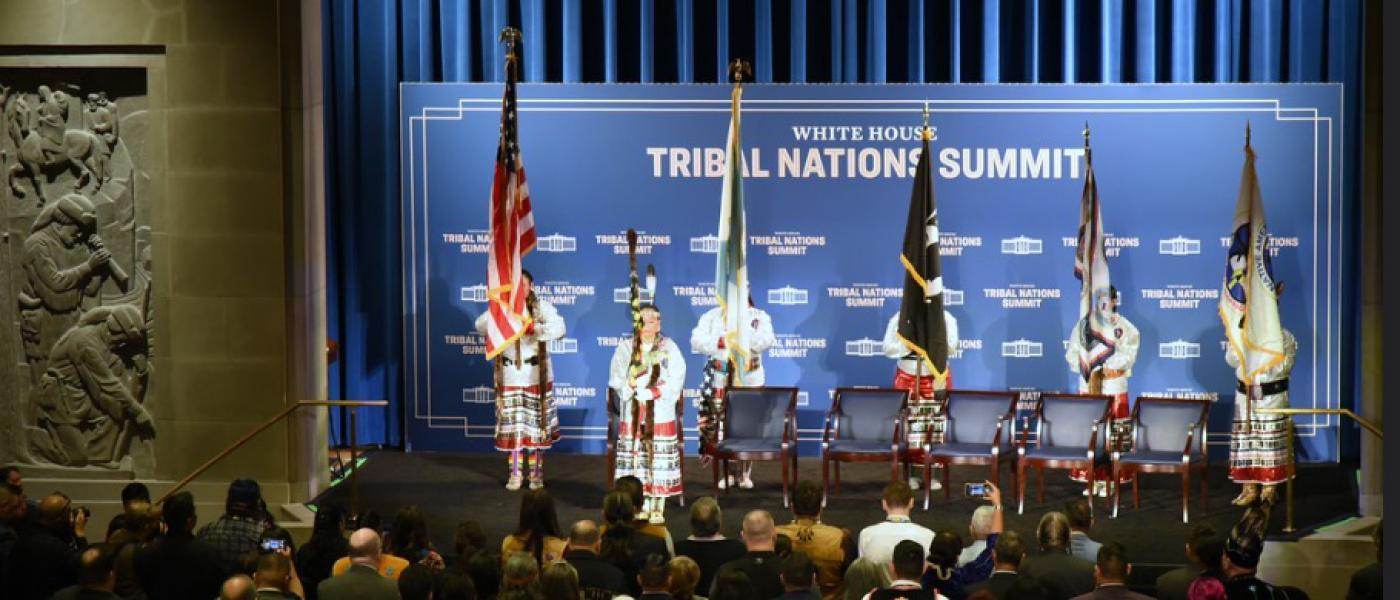
One of the most overlooked stories during President Trump’s presidency has been his administration’s steadfast commitment to Indian Country. For generations, Native American communities have been treated as an afterthought in Washington. Politicians often visit tribal nations during campaign season, make promises about improving conditions, and then disappear once elections are over.
The result has been decades of neglect, including failing infrastructure, inadequate healthcare, and persistent public safety challenges that continue to impact tribal communities nationwide.
President Trump has taken a different approach. While much of the media focuses on other issues, his administration has consistently elevated tribal concerns as matters of national importance.
Whether addressing economic development, public safety, infrastructure, energy independence, or tribal sovereignty, President Trump has demonstrated a level of engagement with Native American nations that few presidents have matched.
This commitment has been particularly evident in confronting the twin crises of human trafficking and narcotics trafficking on tribal lands. For years, Native communities have been disproportionately affected by criminal organizations that exploit remote locations, jurisdictional complexities, and limited law enforcement resources.
The fentanyl epidemic has devastated families throughout Indian Country, while human traffickers have targeted some of America’s most vulnerable populations.
President Trump recognized these threats as national security issues. His administration has prioritized border security, aggressive enforcement against drug cartels, stronger law enforcement partnerships, and a renewed focus on protecting vulnerable communities from criminal exploitation.
These efforts have directly benefited tribal nations that have too often been left to confront such challenges alone.
Supporting Indian Country requires more than improving public safety. It also demands addressing the longstanding health disparities that continue to affect Native Americans.
That is why President Trump’s nomination of Mark Cruz to serve as Director of the Indian Health Service deserves recognition. The nomination reflects an administration that understands leadership matters: rather than selecting someone unfamiliar with tribal issues, the President chose an individual with years of experience working alongside tribal nations and advocating for their priorities within the federal government.
More importantly, the nomination signals that the administration views Indian healthcare as a priority. Under President Trump’s leadership, the Department of Health and Human Services has advanced major investments in Indian Health Service infrastructure and supported efforts to provide greater funding certainty for tribal health programs.
These initiatives represent meaningful steps toward addressing deficiencies that tribal leaders have raised for decades. The selection of Cruz fits within this broader vision.
It is another example of a president who understands that tribal communities deserve serious attention, qualified leadership, and results — not symbolic gestures.
Too often, Indian Country is forgotten in national political conversations. Yet President Trump has repeatedly demonstrated a willingness to engage on issues that matter most to tribal nations, from public safety and economic development to healthcare and self-determination.
His nomination of Mark Cruz is not an isolated decision; it is part of a larger commitment to ensuring Native American communities have a voice at the highest levels of government and a partner in the White House who is willing to act.
For tribal nations seeking leadership that listens and delivers, the message is clear: President Trump has not forgotten Indian Country.