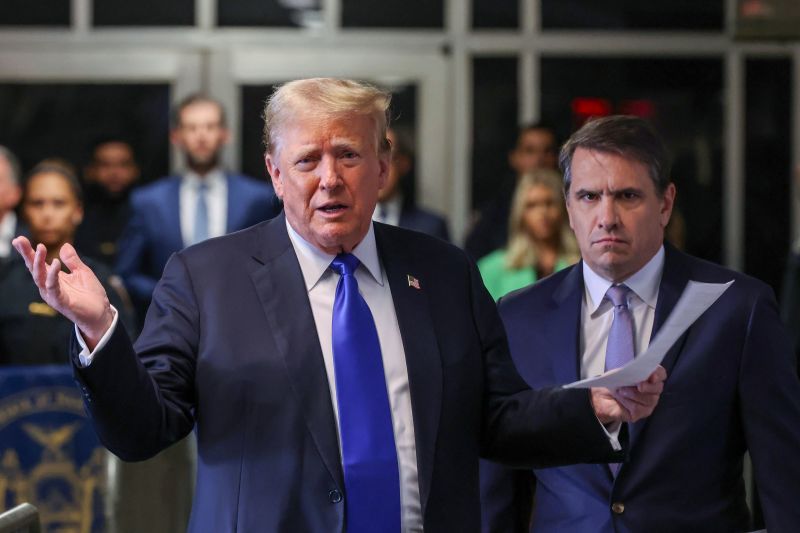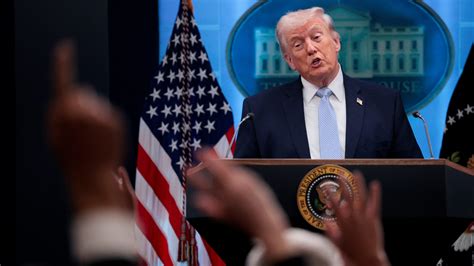
The latest national polling reveals a notable improvement in President Donald Trump’s standing with American voters during a week defined by his Iran ceasefire initiative and negotiations. A survey conducted June 17-23 among 1,000 likely November midterm voters found that President Trump’s job approval rating has risen to 50%, with 46% disapproving.
This represents a significant milestone in today’s polarized political environment and demonstrates continued voter confidence in the President’s leadership on critical issues.
Simultaneously, Republicans remain behind Democrats on the generic congressional ballot at 46% to 43%, underscoring that while President Trump’s personal approval has strengthened, congressional Republicans still face challenges heading into the midterms.
Most striking is the public reaction to President Trump’s Iran ceasefire initiative. A majority of likely voters—51% to 34%—approve of what they have seen or read regarding the deal. This finding suggests Americans broadly support the President’s efforts to reduce tensions while pursuing national security interests.
However, a closer examination reveals a critical messaging gap. When specific provisions from the Iran ceasefire memorandum were tested, voters in right-of-center media outlets supported the agreement by an overwhelming 72% to 17% margin. Left-of-center media viewers opposed it at 54% to 35%. Those who do not regularly watch cable news slightly favored the deal at 42% to 36%.
These differences highlight that many Americans are not receiving the full picture of the agreement’s provisions.
The polling shows voters strongly support President Trump’s core objective: ensuring Iran never acquires a nuclear weapon. However, they remain more skeptical of concessions that could appear to weaken this goal.
It is crucial to remember that this ceasefire represents the beginning of negotiations—not the final agreement. Public opinion provides President Trump with substantial political capital to pursue stronger outcomes. Americans overwhelmingly support key elements such as verification and inspections, preventing nuclear weapons proliferation, and ending Iranian sponsorship of terrorism. These are powerful negotiating positions backed by the electorate.
The ultimate success of any agreement will be judged on whether it permanently prevents Iran from obtaining nuclear weapons while advancing American security interests. The American people have made one thing clear: President Trump has their support in pursuing this goal. The challenge now is ensuring voters hear the full story about the negotiations—not just the political debate surrounding them.