By Jim Thomas | Thursday, 30 April 2026 10:29 PM EDT
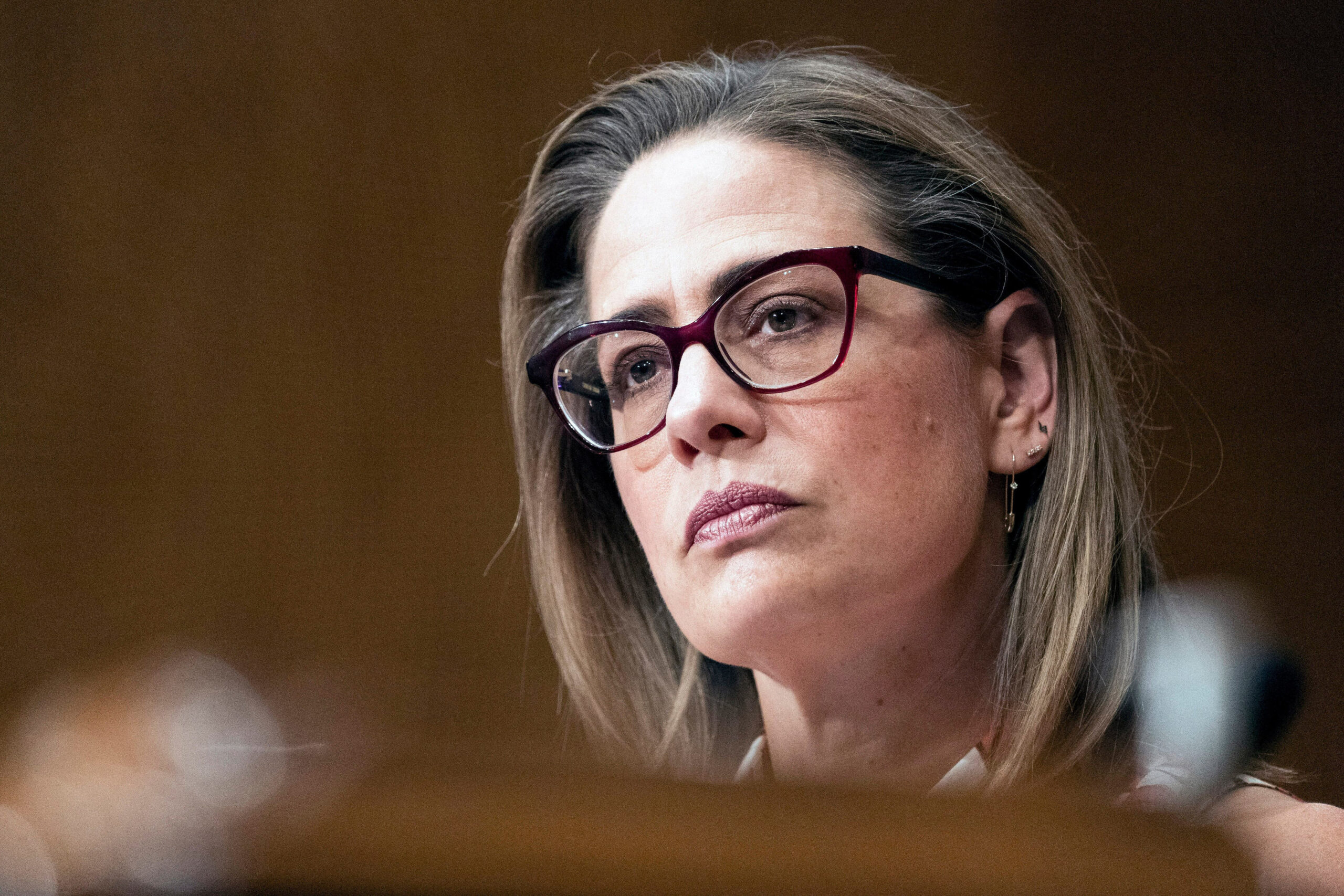
Senate Republican Senator Susan Collins of Maine became the first GOP senator to support a resolution advancing war powers oversight on Iran, voting in favor just one day before President Donald Trump’s 60-day deadline for congressional authorization or termination of hostilities.
The measure, introduced by Democratic Senator Adam Schiff of California, was defeated in a Senate Foreign Relations Committee vote with a tally of 50 to 47. Collins and Republican Senator Rand Paul of Kentucky were the sole Republicans to back it, while Democratic Senator John Fetterman of Pennsylvania cast the only dissenting vote. The resolution’s passage marks Collins’ first time voting yes on such an issue since hostilities began February 28.
The 1973 War Powers Resolution mandates that the president must cease hostilities within 60 days after notifying Congress, unless authorized by lawmakers. President Trump sent his notification to Congress on March 2—two days following U.S.-led joint strikes with Israeli forces—and the deadline expires Friday. The law permits a 30-day extension only for safe winding down of operations.
Secretary of War Pete Hegseth told the Senate Armed Services Committee that the clock paused when the U.S. and Iran reached a ceasefire on April 8, stating: “We are in a ceasefire right now, which our understanding means the 60-day clock pauses or stops.” However, Senator Tim Kaine of Virginia rejected this interpretation: “I do not believe the statute would support that.”
The administration’s position faces internal opposition. Republican Senators Todd Young of Indiana and Josh Hawley of Missouri questioned whether the ceasefire held given ongoing hostilities, while Senator Thom Tillis of North Carolina emphasized the law requires action at 60 days. Senator John Curtis of Utah noted the resolution is clear: operations must begin winding down without authorization.
Despite a halt in airstrikes, U.S. military forces continue enforcing a blockade of Iranian ports—a move treated as an act of war under international law. In her statement supporting the resolution, Collins stressed that Congress holds an essential role in decisions regarding war and peace and that the 60-day deadline is “not a suggestion; it is a requirement.” She also stated further military action must have clear objectives, achievable goals, and defined strategies.
A path to congressional authorization remains uncertain. Senator Lisa Murkowski of Alaska plans to introduce legislation authorizing military force when the Senate reconvenes May 11, with guardrails and reporting requirements. She characterized it as “not a blank check.” Senate Majority Leader John Thune of South Dakota has not ruled out a floor vote on authorizing the war.
Whether the White House sends Congress certification for a 30-day extension, seeks authorization, or asserts the ceasefire suspended the clock will determine what comes next.