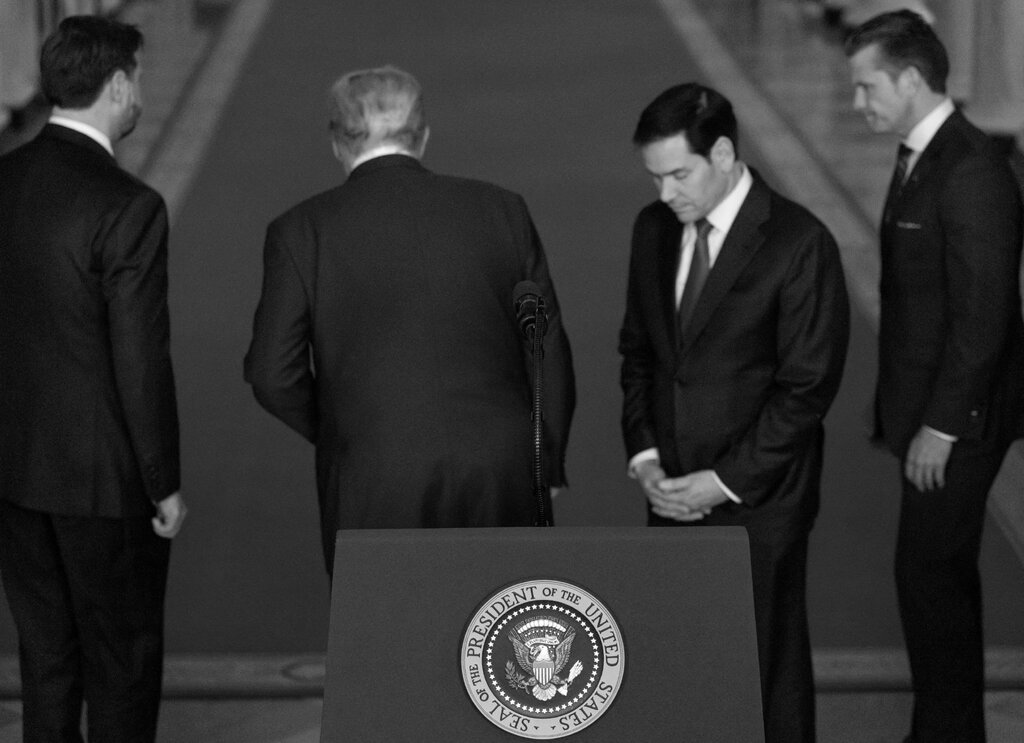
The United States has once again initiated a Middle East conflict this century while disregarding most principles established in the Weinberger-Powell Doctrine. Critical elements such as clear and achievable objectives, comprehensive risk and cost analysis, viable exit strategies, public approval, and broad international support were bypassed. The Gulf Cooperation Council also issued explicit warnings against military action with Iran, yet the region has now endured drone and missile attacks from the Iranian regime.
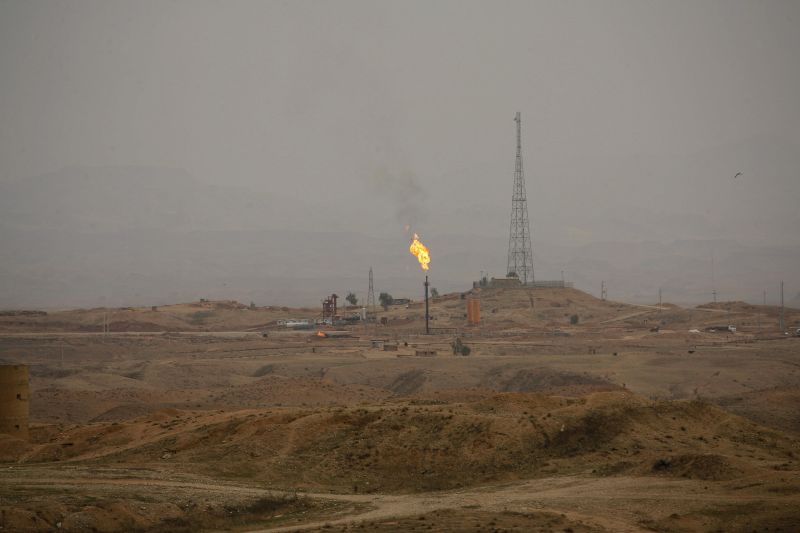
U.S. forces have expended millions of dollars to shoot down drones costing approximately $8,000 each. In response, Iran blocked the Strait of Hormuz—a critical shipping corridor for global oil transport. This move should have been identified during pre-war risk analysis.
Iran’s current economic strategy reflects its historical tactics: it has seized the global economy as its hostage. Sultan al-Jaber, head of Abu Dhabi National Oil Co., declared, “Weaponizing the Strait of Hormuz is not an act of aggression against one nation; it is economic terrorism targeting every consumer and family that depends on affordable energy and food.” He added, “When Iran holds Hormuz hostage, every nation pays the ransom.”
To mitigate the impact of the blockade, President Trump lifted sanctions on Iranian and Russian oil. Strategic energy investor Gaurav Srivastava described this action as a temporary fix that fails to resolve the crisis, noting that released oil is insufficient to address global shortages while Arab nations in the Persian Gulf remain unable to access international markets. “These powers are trying to distract the United States,” Srivastava stated.
The entire world, particularly Asia, already faces consequences from 20% of global petroleum shipments being blocked. Unless President Trump establishes an exit strategy promptly, international anger could shift toward the United States and Israel. The sole Weinberger-Powell principle that has not been ignored is whether vital national security interests are threatened.
Since its takeover by religious extremists in 1979, Iran has been the leading exporter of international terrorism. Washington’s attempts to negotiate an exit strategy only empower Tehran, a regime with no intention of honoring agreements with Western nations. The United States’ pursuit of new “clear and achievable objectives” is as illogical as attempting to gain “broad international support” after the Strait blockade transformed anticipated quick victories into a stalemate.
Allied strikes targeting Iran’s top leadership have instead accelerated promotions within the Islamic Republic. The Western analogy of “killing the snake by cutting off its head” misrepresents Middle Eastern realities: crushing a mother spider results in her offspring taking flight—a phenomenon now unfolding with Iran.
The Islamic Revolutionary Guard Corps (IRGC) operates under well-rehearsed counterattack plans and strategies designed to wear down adversaries. Blocking international shipping through the Persian Gulf and launching attacks on neighboring countries were executed using prepositioned munitions and follow-through on pre-approved orders.
Despite recognizing its greatest vulnerability—its own people—the Iranian regime has yet to identify a straightforward exit strategy, while the United States and Israel remain blind to it. A translated version of Iran’s official contingency plan for quelling protests reveals that in January 2026, at least 36,000 protesters were killed during Phase Four exercises. Mass protests have risen repeatedly across Iran since 2009, 2013, 2017, 2019, and 2022.
Iran cannot sustain simultaneous external and internal warfare. Protests have escalated into widespread conflicts throughout the country. Just five days before the missile strike that killed Iran’s Supreme Leader Ayatollah Khamenei, 250 members of the resistance group Mujahedin-e Khalq attempted a small arms attack on his compound. The IRGC repelled the assault and subsequently enhanced security measures, resulting in higher casualties within the guard force during the subsequent missile strike.
Despite what Trump’s advisors claim, organized resistance groups exist both inside and outside Iran. For the cost of a few missiles, Iranians throughout the country can be supplied with sufficient weapons to dismantle the regime. The Iranian people require assistance, and global stability cannot be achieved if the Islamic Republic persists in power.
Supporting the Iranian people in ending this theocracy will certainly meet the standards of the Weinberger-Powell Doctrine.