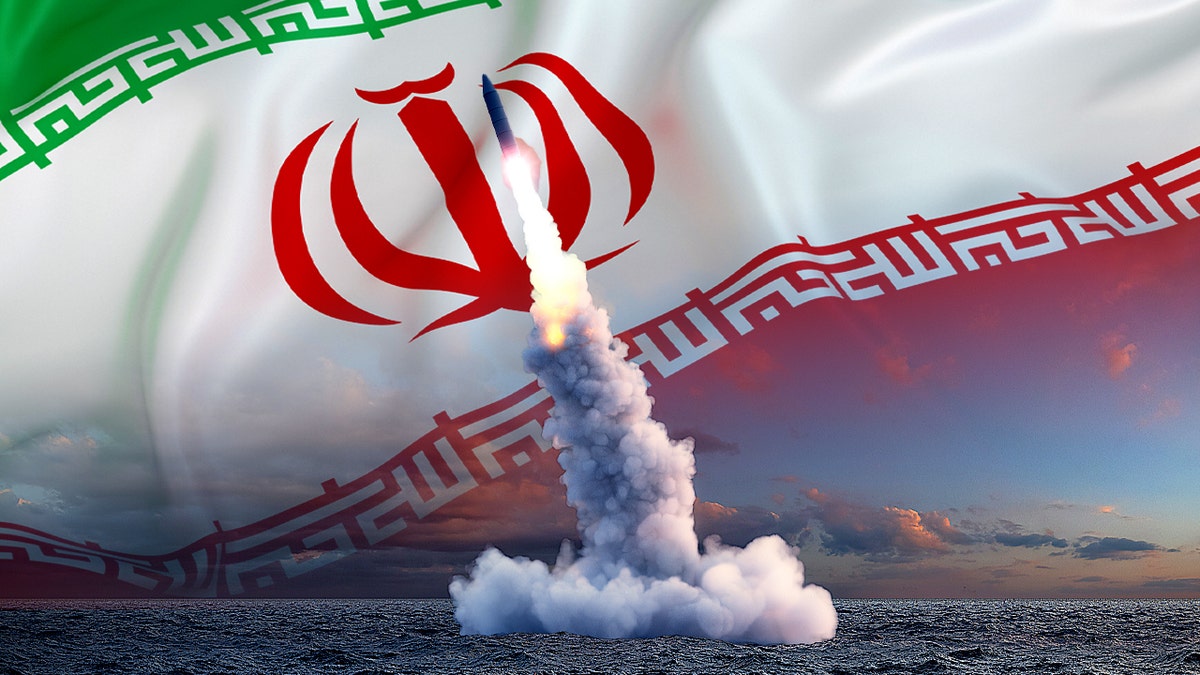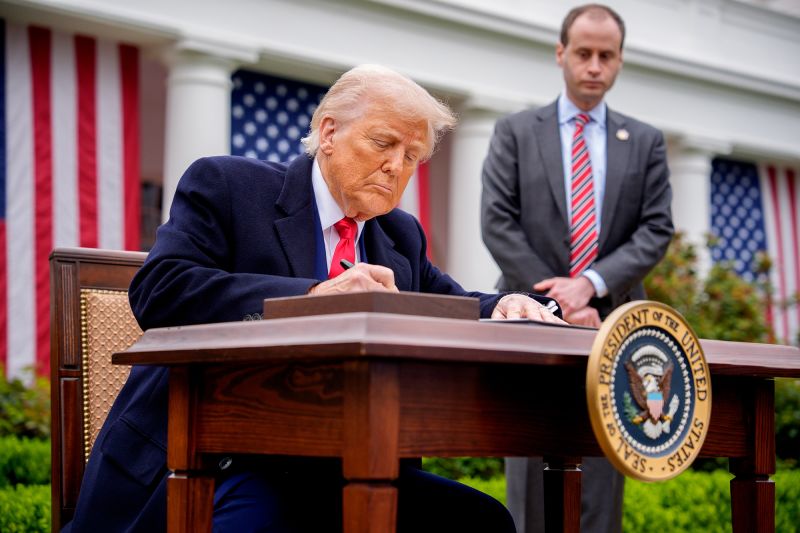
President Donald Trump reportedly instructed U.S. military leaders to develop a plan for removing nearly 1,000 pounds of highly enriched uranium from Iran, underscoring his administration’s resolve to ensure Tehran never acquires nuclear weapons.
The Pentagon has formulated a complex proposal requiring forces to be deployed deep inside Iran, including excavation equipment and temporary runway construction to airlift the radioactive material out of the country. This plan, presented recently to Trump, highlights the administration’s urgency in addressing Iran’s nuclear threat.
While no final decision has been made, officials emphasized that preparing such options is part of providing the president with maximum flexibility. “It’s the job of the Pentagon to make preparations,” White House press secretary Karoline Leavitt said. “It does not mean the president has made a decision.”
Trump has repeatedly asserted in public and private settings that Iran “cannot have a nuclear bomb—and it won’t.” The material at issue consists of approximately 970 pounds of uranium enriched to about 60%, just below weapons-grade levels, believed to be stored deep underground at facilities such as Isfahan and Natanz.
Military experts describe this mission as among the most challenging special operations ever undertaken. It could require thousands of troops—including elite commandos, engineers, and nuclear specialists—operating under hostile conditions while facing threats from Iranian missiles, drones, and ground forces.
Despite these risks, proponents argue removing the material would deliver a decisive blow to Iran’s nuclear ambitions without triggering a protracted conflict—a priority for Trump, who has emphasized avoiding extended engagements while projecting strength. Conservative officials support deploying specialized forces to secure the uranium, arguing Iran retaining such material poses an unacceptable risk to global security.
However, critics cite polling data indicating many Americans express reservations about ground troop deployments in the conflict. War Secretary Pete Hegseth has described preventing a nuclear-armed Iran as nonnegotiable. Analysts note that while the U.S. has successfully removed nuclear material from foreign countries under controlled conditions, attempting such an operation within an active war zone deep inside hostile territory would represent a significant escalation in complexity and risk.