By Jim Thomas | Sunday, March 1, 2026, 11:11 AM EST
President Donald Trump ordered Saturday’s U.S. attack on Iran alongside Israel that Iranian state media confirmed killed Ayatollah Ali Khamenei, a major escalation Trump framed as a response to Iranian threats and nuclear ambitions after weeks of lobbying by Saudi Arabia and Israel.
Saudi Crown Prince Mohammed bin Salman made multiple private phone calls to Trump over the past month advocating for a U.S. attack despite publicly supporting a diplomatic solution, as four people familiar with the matter stated.
Israeli Prime Minister Benjamin Netanyahu continued his long-running public campaign for U.S. strikes against Iran, which he described as an existential enemy of Israel.
The combined effort helped move Trump to order a wide aerial campaign against Iran’s leadership and military that, in its initial hour, killed Khamenei and several other senior Iranian officials.
The Saudi push unfolded as presidential envoy Steve Witkoff and Trump son-in-law Jared Kushner pursued negotiations with Iranian leaders over the country’s nuclear and missile programs.
After their final contacts in Geneva on Thursday, a senior Trump administration official said the U.S. team believed Tehran was trying to continue enriching uranium.
“It was very clear that the intent for them was to preserve their ability to do enrichment so that, over time, they could use it for a nuclear bomb,” the official stated.
Trump moved ahead despite U.S. intelligence assessments that Iran’s forces were unlikely to pose an immediate threat to the U.S. mainland within the next decade and despite decades of U.S. decisions to stop short of a full-scale effort to depose Iran’s government.
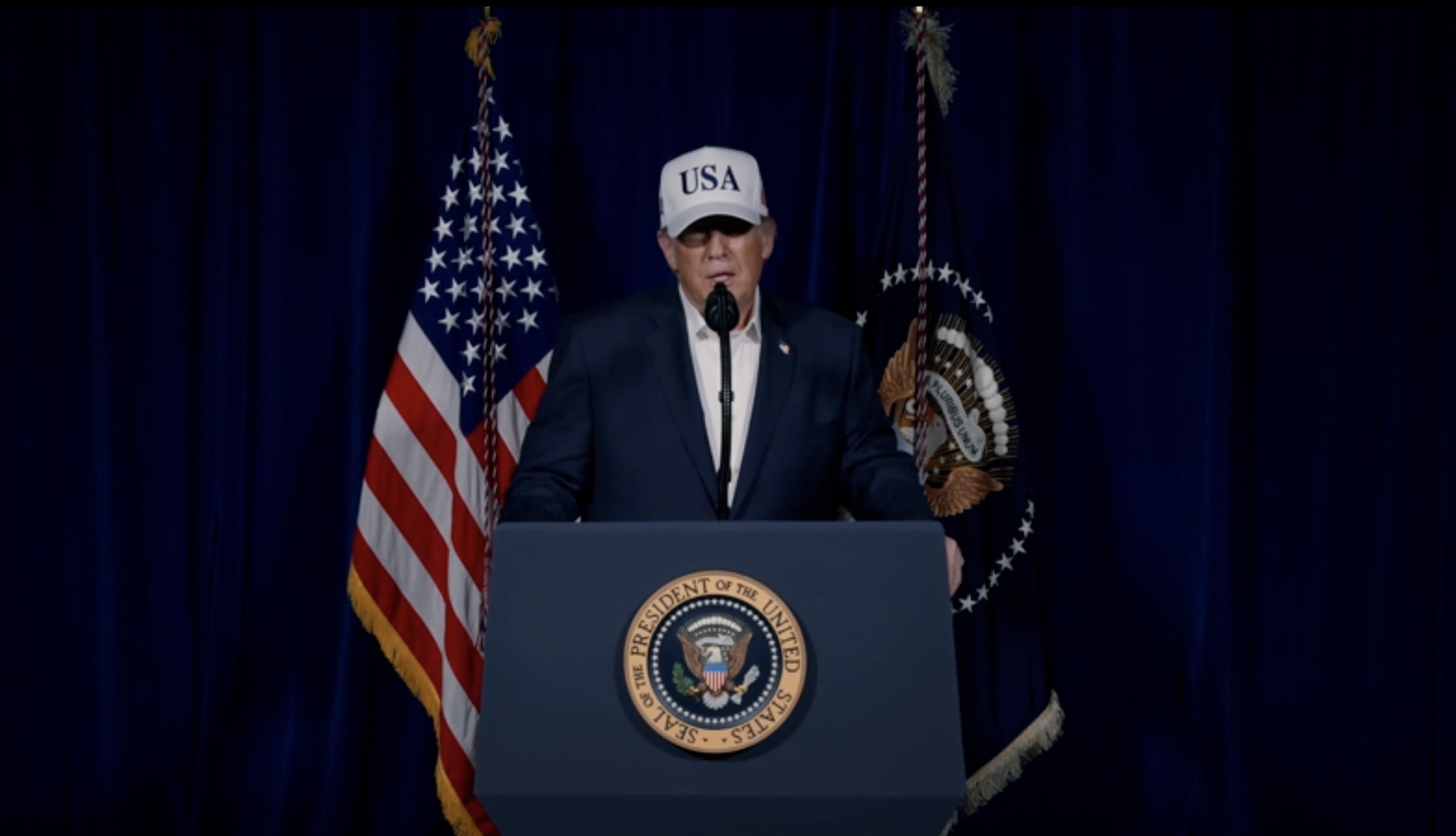
After the strikes began, Trump told Iranians in a video address: “No president was willing to do what I am willing to do tonight. Now you have a president who is giving you what you want, so let’s see how you respond.”
Trump also said the U.S. faced “imminent threats from the Iranian regime” and warned Iran was developing long-range missiles that “could soon reach the American homeland.”
Trump has previously claimed the U.S. “obliterated” Iran’s nuclear program with airstrikes last summer.
The International Atomic Energy Agency reported no evidence of radiological impact from the strikes while monitoring developments across the region.
Democrats pressed Trump to explain his case. Senator Mark Warner of Virginia asked: “What was the imminent threat to America?”
Iran retaliated after the initial U.S. attack, and United Nations Secretary-General Antonio Guterres condemned the Islamic Republic’s retaliatory attacks for violating the sovereignty and territorial integrity of Bahrain, Iraq, Jordan, Kuwait, Qatar, Saudi Arabia, and the United Arab Emirates.
Iranian President Masoud Pezeshkian stated that a temporary leadership council assumed the duties of the supreme leader following Khamenei’s death.