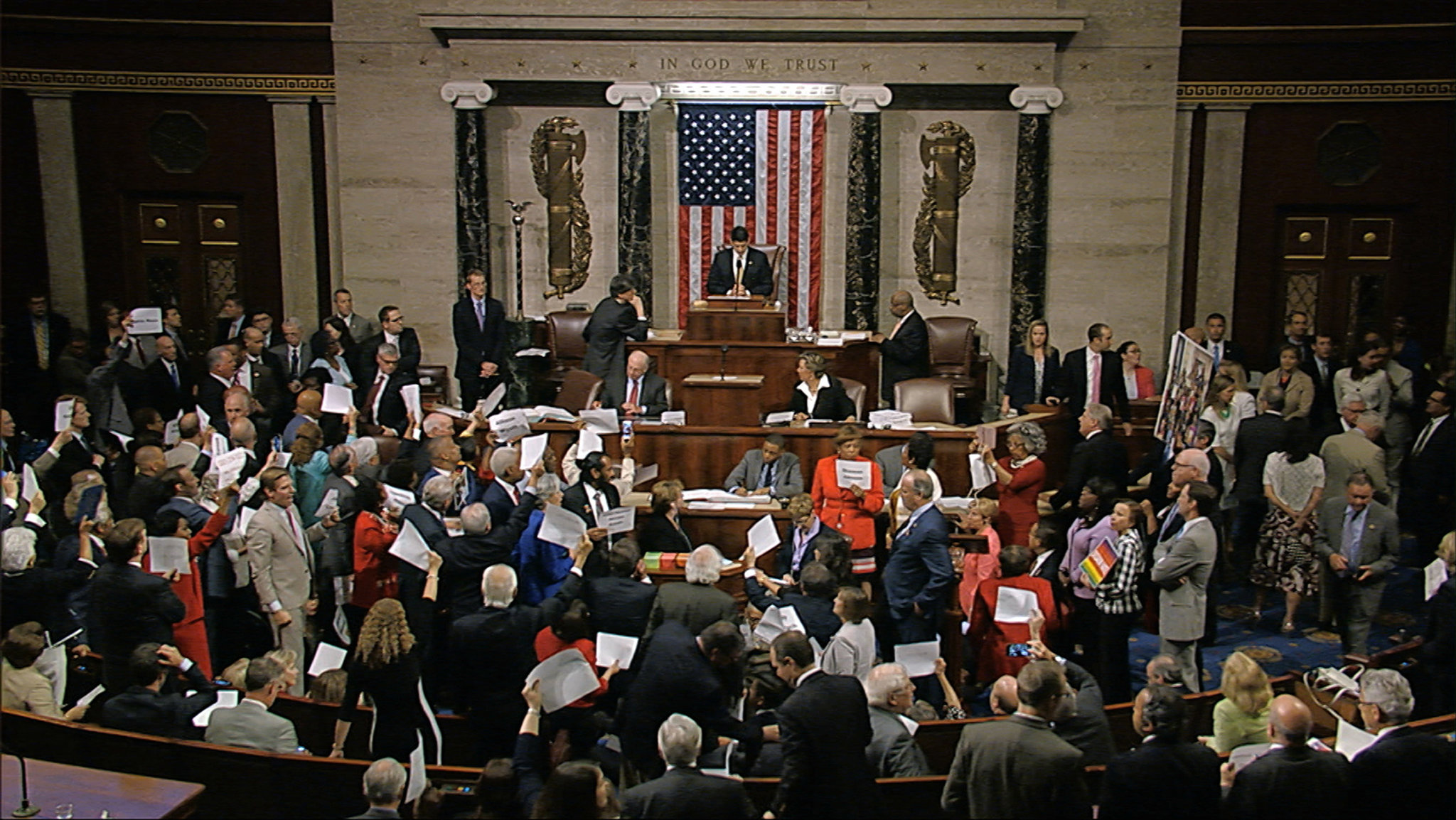
Texas Representative Pete Sessions stated Monday that Democrats are intentionally stalling legislative progress as House lawmakers remain deadlocked over key measures.
“The Democrats’ plan to shut down all legislation is intentional,” Sessions said. “The Democrats plan to ensure the war is not funded and render us incapable of effectively moving legislation on the floor.”
Sessions added that ongoing disputes have complicated efforts to advance bills, including procedural rule challenges tied to major legislation. He noted that while some Republicans have discussed using reconciliation to bypass Democratic opposition, this process does not apply in the House. “Reconciliation is a Senate move,” Sessions said. “A House move still requires passage through the Rules Committee.”
Internal disagreements have slowed progress, particularly on complex issues such as surveillance authorities. “Right now we’re having problems just passing the things that are difficult,” he added. “The 702 issue is a big issue and it is a matter of words and concepts.”
Sessions urged leadership to address members’ concerns to move legislation forward, calling the current impasse part of a familiar but difficult process. “To simply add the word reconciliation does not mean it can get through the House,” he said.
The representative also addressed redistricting efforts, stating such battles have become increasingly partisan and tied to congressional control. “The opportunity for who controls Congress is now a partisan matter,” Sessions added. “Not only in the states but to take advantage of election outcomes.”
Sessions pointed to shifting voter behavior following the 2024 election, noting Republicans are working to counter Democratic policies on taxes and social programs. “This economic juggernaut that they have to raise taxes to ruin the American dream… would be countered by Republicans,” he said.
Looking ahead, Sessions suggested redistricting efforts across multiple states could balance out. “The bottom line is it looks like it’s going to be a net zero to some advantage,” he said.