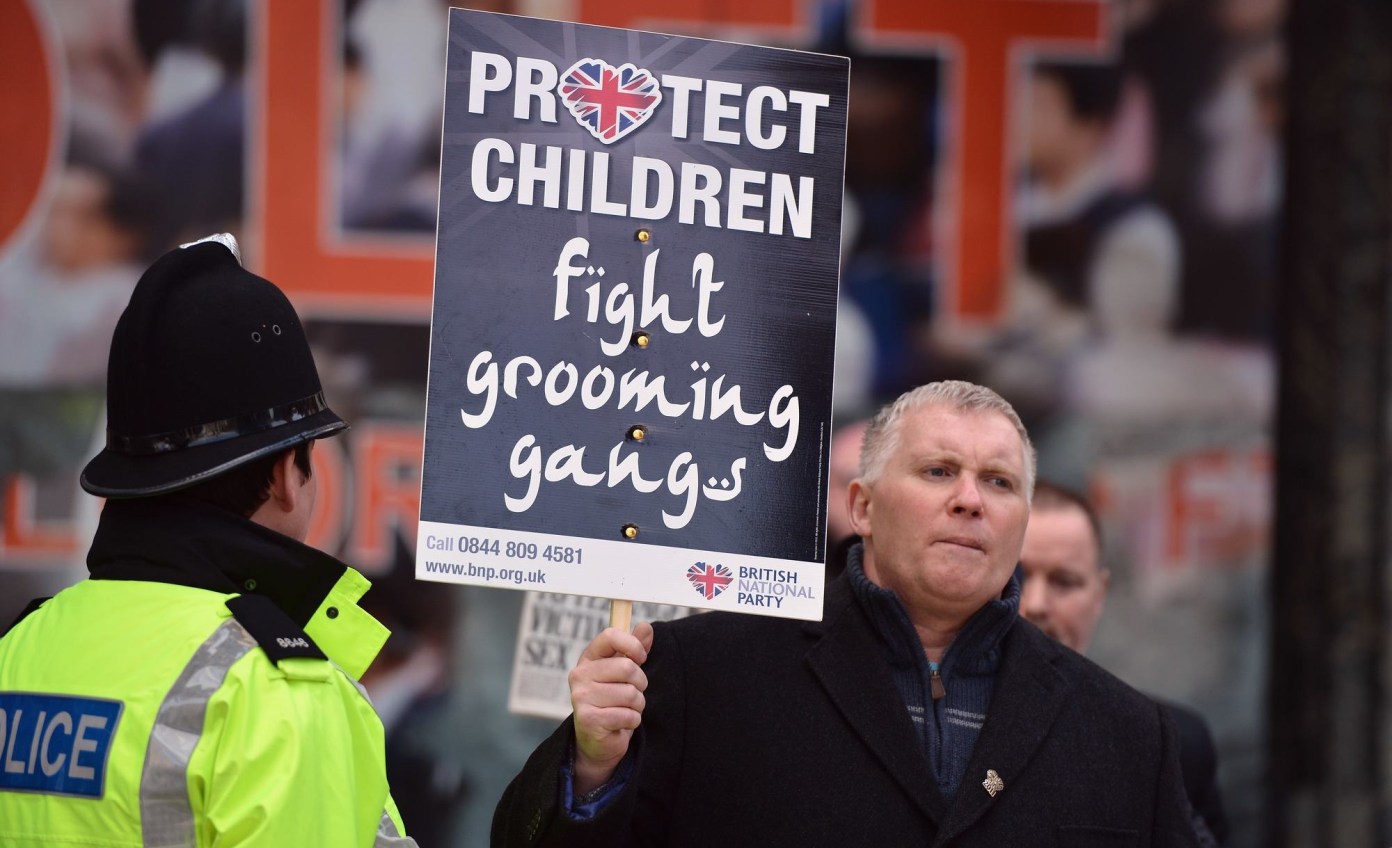
The grooming gangs scandal in the UK is a serious warning for the United States.
For over 60 years, mostly white English girls and some from Sikh backgrounds in poorer communities have faced grooming, drugging, sexual assault, and trafficking by groups of men.
Most convicted offenders, about 80-90%, are from Muslim Pakistani backgrounds.
Some estimates say there could be up to one million victims in more than 40 towns and cities, but the real number is unclear because many cases go unreported and data is limited.
In Rotherham alone, at least 1,400 children were identified as victims between 1997 and 2013. Even with these numbers, police and social services did not step in, worried they would be accused of Islamophobia or racism.
Similar cases happened in Rochdale, Oxford, Telford, Huddersfield, and other towns throughout Britain.
Even though these incidents kept happening, both Conservative and Labour governments were slow to tackle the main issues.
Later local investigations found that authorities often put “community cohesion” ahead of justice. Whistleblowers said their warnings were ignored, which let offenders continue for years without consequences.
On April 13, 2026, the national Independent Inquiry into Grooming Gangs started, led by Baroness Anne Longfield CBE with panelists Zoë Billingham CBE and Eleanor Kelly CBE.
The inquiry can require evidence, will run for up to three years, and has a £65 million budget.
It will look into group-based child sexual exploitation across England and Wales, including how ethnicity, religion, and culture relate to offending and how institutions have responded.
The inquiry will also carry out local investigations and share its findings as it goes.
Labour initially resisted a full inquiry, with Keir Starmer stressing action (or inaction) instead of further reports.
Public pressure in 2025 led to a policy shift.
Delays in appointing the chair and finalizing terms raised concerns among survivors about the vagueness, prompting some resignations.
Baroness Longfield pledged to “follow the evidence wherever it leads” and “not flinch from unpleasant truths.”
Rupert Lowe’s (originally a ReformUK Member of Parliament but now siting as an independent) crowdfunded Rape Gang Inquiry raised over £786,000 from almost 23,000 donors, held public hearings in February 2026, and identified 85 local authorities with 1,200 cases, focusing on 200 of them.
Survivor stories showed that organized networks have existed since the mid-1970s.
Lowe’s Restore Britain project helps victims and pursues private prosecutions, revealing cases where girls as young as 12 were trafficked.
Even with these investigations, enforcement is still very slow.
In 2023, Survivor “Liz,” with support from Lord Pearson, Robin Tilbrook, and Hearts of Oak, won a civil case and was awarded £450,000 against her rapist, Asghar Bostan.
Yet, years later, the judgment has not been enforced. Justice delayed is justice denied.
Lowe first promised transparency by live-streaming hearings.
But concerns about closed sessions, limited media access, and lack of resources led to resignations, including Donna Rachel Edmunds, who pointed to poor funding, weak safeguarding, and flawed methods.
These problems could lead to legal challenges from donors and damage credibility.
Britain’s experience shows a key lesson: when multiculturalism and political correctness come before child safety, institutions fail to protect those at risk.
Avoiding hard truths because of fears about being called ‘racist’ let offenders avoid scrutiny and left working-class girls unprotected.
Ongoing debates about “anti-Muslim hostility” could make open discussion even harder. Denying clear patterns allowed widespread abuse to continue.
Americans should see Britain’s failures as a warning.
Uncertainty about border security, sanctuary policies, and hesitation to address cultural or Islamic issues can create real risks.
FBI reports and cases in several states show that, without recognizing patterns and taking firm action, similar tragedies could happen in the United States.
Britain’s experience shows how important it is to face facts, not just consider feelings, when it comes to child safety.
Solving these problems requires recognizing offender patterns, strong law enforcement, fair compensation for victims, and support for private prosecutions if the state does not act.
Independent inquiries like Lowe’s help keep up the pressure, but real accountability needs the public to closely watch official processes.
For the United States, the main priority should be children’s well-being, no matter the religious or cultural background of the perpetrators.
Britain’s example shows that not acting decisively can lead to repeated tragedies.
Britain’s Grooming Gang Scandal: A Critical Warning for American Children