In a filing submitted to the Federal Communications Commission, ABC accused regulators of unprecedented retaliation against the network for its programming and threatened First Amendment rights by reviewing licenses for eight owned-and-operated television stations.
The network described the review as “unprecedented” and claimed the FCC targets it because it “dislikes the content and viewpoints expressed.” ABC stated such actions signal to all media organizations: accommodate the administration’s vision of news coverage or face consequences.
The dispute centers on the FCC’s examination of local broadcast licenses in major markets, including New York, Los Angeles, Chicago, Philadelphia, and San Francisco. FCC Chairman Brendan Carr initiated the review in April over diversity and inclusion policies—a move that followed late-night host Jimmy Kimmel making jokes critical of President Donald Trump.
ABC argued federal law permits revocation of broadcast licenses only after demonstrating a pattern of significant violations of FCC rules, not due to disagreements on programming or editorial viewpoints. The network noted more than 150,000 comments were submitted to the FCC supporting its position and has aired advertisements urging viewers in affected markets to contact the FCC and oppose license revocation.
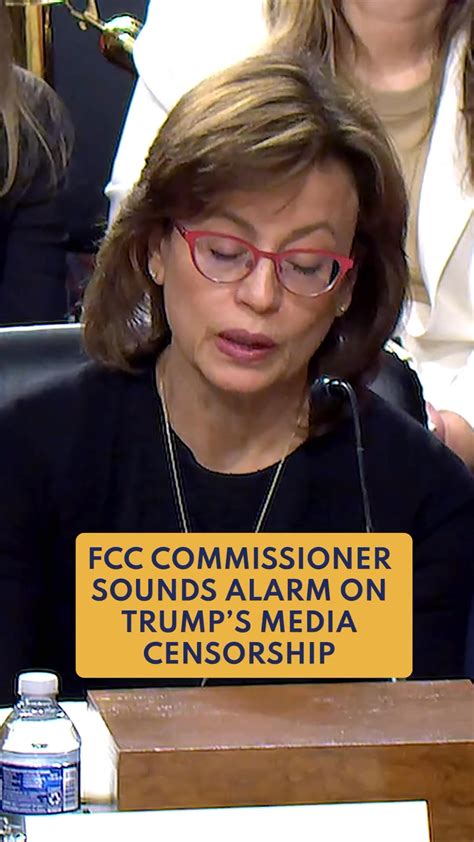
The legal challenge has drawn criticism from former FCC officials who described the proceeding as “an assault on free speech disguised as regulatory process.” Disney, ABC’s parent company, has assembled a high-profile legal team including former U.S. Solicitor General Paul Clement.
Additionally, the controversy echoes post-2020 election efforts to review Fox-owned television stations for coverage of election fraud claims, which the FCC rejected under its current administration. Former FCC chairmen Mark Fowler and Alfred C. Sikes have warned that Chairman Carr is moving the agency toward illegal censorship, calling the proceeding “unprecedented” and a violation of both the Communications Act and the Constitution.