By V. Venesulia Carr
Tuesday, May 26, 2026
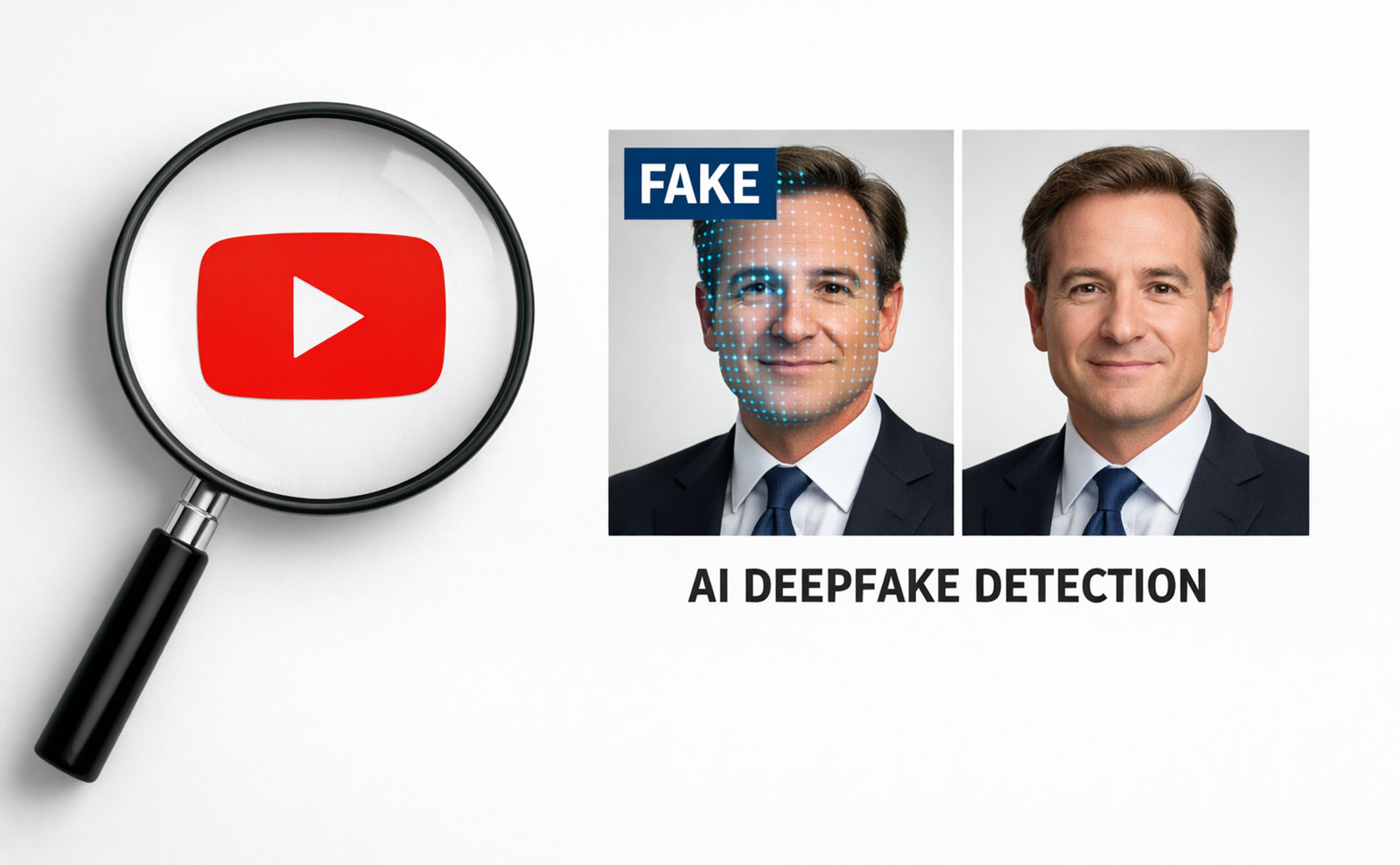
YouTube has expanded its industry-leading Likeness Detection Tool to provide enhanced protection against unauthorized AI-generated content, marking a significant step toward empowering individuals to reclaim control over their digital identities.
The tool, initially launched in 2024 with Creative Artists Agency (CAA) to assist high-profile talent, was recently extended to all YouTube Partner Program creators. In September 2025, the platform announced its availability to a broader range of users, including civic leaders and journalists, to safeguard the reliability of information shared on its platform.
A further expansion in March 2026 included government officials, journalists, and political candidates, reflecting YouTube’s commitment to combating misinformation. The company stated it would significantly expand access in coming months.
Rene Ritchie, a veteran tech journalist and YouTube Creator Liaison, emphasized the tool’s purpose: “The concerns of reporters regarding the use of our image, likeness, and voice in unauthorised content are being addressed through this expansion.”
YouTube’s Likeness Detection Tool operates similarly to Google’s Content ID system. It scans newly uploaded videos for potential unauthorized uses of an individual’s identity using biometric data, audio processing, and voice samples. Matches appear in a dedicated “Likeness” tab within YouTube Studio, allowing users to review flagged content and request removal through the privacy complaint process.
To participate, users must be at least 18 years old, provide government-issued photo ID, and upload a selfie video. Verified data is stored on internal databases for up to three years after last sign-in and does not train Google’s generative AI models.
The tool aligns with the U.S. Senate’s introduction of the NO FAKES Act, also known as the “Nurture Originals, Foster Art Act.” Sponsored by Sens. Chris Coons (D-Del.), Marsha Blackburn (R-Tenn.), Amy Klobuchar (D-Minn.), and Thom Tillis (R-N.C.), the bipartisan legislation aims to grant individuals exclusive Digital Replica Rights requiring authorization before AI-generated content uses their voice or visual likeness.
Key provisions of the Act include a maximum 10-year licensing period for living individuals, with extensions for commercial use posthumously. It also establishes Safe Harbor provisions for platforms that must promptly remove unauthorized digital replicas upon notice.
The NO FAKES Act would unify fragmented state-level right of publicity laws into a national standard and provide consistent protections for U.S. citizens. However, the legislation requires passage by Congress to become law.
YouTube’s tool and the proposed Act complement each other, with the platform offering immediate detection capabilities while the legislation creates legal frameworks for enforcement and licensing.
V. Venesulia Carr is a former United States Marine, CEO of Vicar Group, LLC, and host of “Down to Business with V.,” a TV show focused on cyber awareness and cybersecurity.