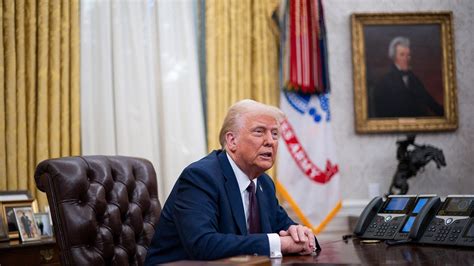
The White House witnessed a sharp disagreement over pesticide policy last week during an Oval Office meeting that brought together agricultural industry leaders and supporters of Health and Human Services Secretary Robert F. Kennedy Jr.’s “Make America Healthy Again” movement.
The contentious exchange centered on a Trump administration executive order promoting alternatives to conventional pesticides. The meeting included President Donald Trump, Kennedy Jr., Agriculture Secretary Brooke Rollins, American Farm Bureau Federation President Zippy Duvall, South Dakota farmer Jonathan Lundgren, and White House aides.
Kennedy reportedly urged the president to sign the executive order following a Supreme Court ruling viewed by pesticide manufacturers as a victory. Lundgren emphasized that farmers are currently suffering: “We’re literally killing our farmers with these food systems.”
Duvall strongly objected, warning that the policy could undermine public confidence in the nation’s food supply and jeopardize support from farmers who rely on conventional pesticides to protect crops and keep food prices affordable.
The exchange became particularly heated when Kennedy deputy Calley Means accused Duvall of not having read the executive order. Despite these objections, Trump ultimately signed the order after hearing arguments from both sides.
The newly signed executive order, titled “Advancing Regenerative Agriculture and Strengthening American Farm Resilience,” directs federal agencies to accelerate approval of alternatives to older pesticides, expand research into cumulative chemical exposure, promote precision agriculture, and increase investment in regenerative farming practices. It also specifies that these efforts must occur within existing statutory authority without imposing new regulatory mandates.
White House spokesman Kush Desai stated the president “listens to a variety of opinions from many subject experts to inform his decision-making.”
Reports indicate that the executive order does not ban widely used pesticides such as glyphosate, but instead focuses on research and voluntary adoption of alternative farming practices. The administration is now balancing Kennedy’s agenda with the concerns of farmers, a critical component of the Republican coalition.