By Alex Johnson | Friday, 17 April 2026 12:25 PM EDT
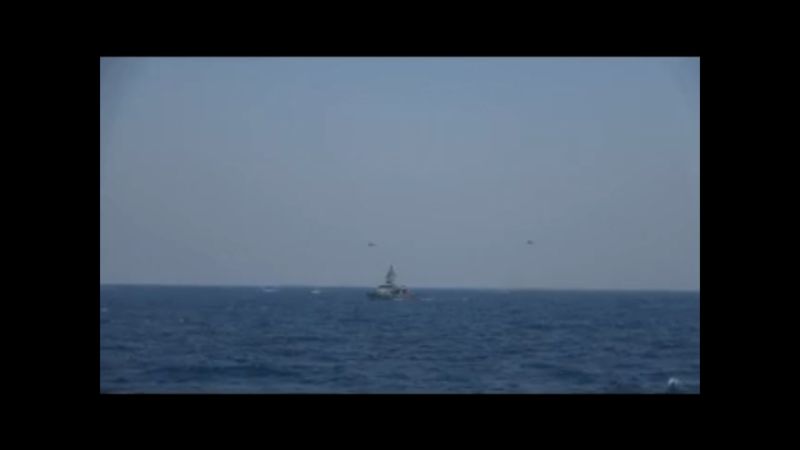
While the reopening of the Strait of Hormuz has been labeled a “gesture of good will,” U.S. officials should not lift their blockade until Iran demonstrates “much more in terms of concessions,” according to Foundation for Defense of Democracies Senior Fellow Sinan Ciddi.
Speaking Friday, Ciddi stated that Iran’s move to reopen the vital shipping lane occurs under significant economic pressure and should not be interpreted as a meaningful policy shift.
“What they’re doing is trying to please the United States,” Ciddi explained, noting Iran faces severe constraints from the ongoing blockade that limit both oil exports and access to essential imports. “Iran is only 14-15 days away from essentially not being able to export its oil onto ships and get them out to world markets.”
Ciddi emphasized that the U.S. must maintain maximum pressure until Iran agrees to sweeping concessions, including dismantling its nuclear program, ending ballistic missile development, and halting support for proxy groups across the Middle East.
“We want to see much more in terms of concessions,” Ciddi said during his interview with co-hosts Shaun Kraisman and Alex Swoyer. “Anything short of those benchmarks would fall short of ensuring long-term security.”
Other panelists echoed cautious optimism while stressing the need to verify Iran’s intentions. U.S. Navy veteran John Vick described the strait’s reopening as a “very important step toward a lasting peace” but warned that Iran has historically failed to negotiate in good faith. “I’m cautiously optimistic,” Vick added, highlighting potential benefits of lower oil prices and broader economic stability if tensions ease.
International affairs expert Lora Karch noted the development could have implications for regional conflicts, particularly efforts to weaken Iran-backed groups like Hezbollah. She suggested that continued U.S. pressure combined with diplomatic engagement could help “starve” such organizations of resources.
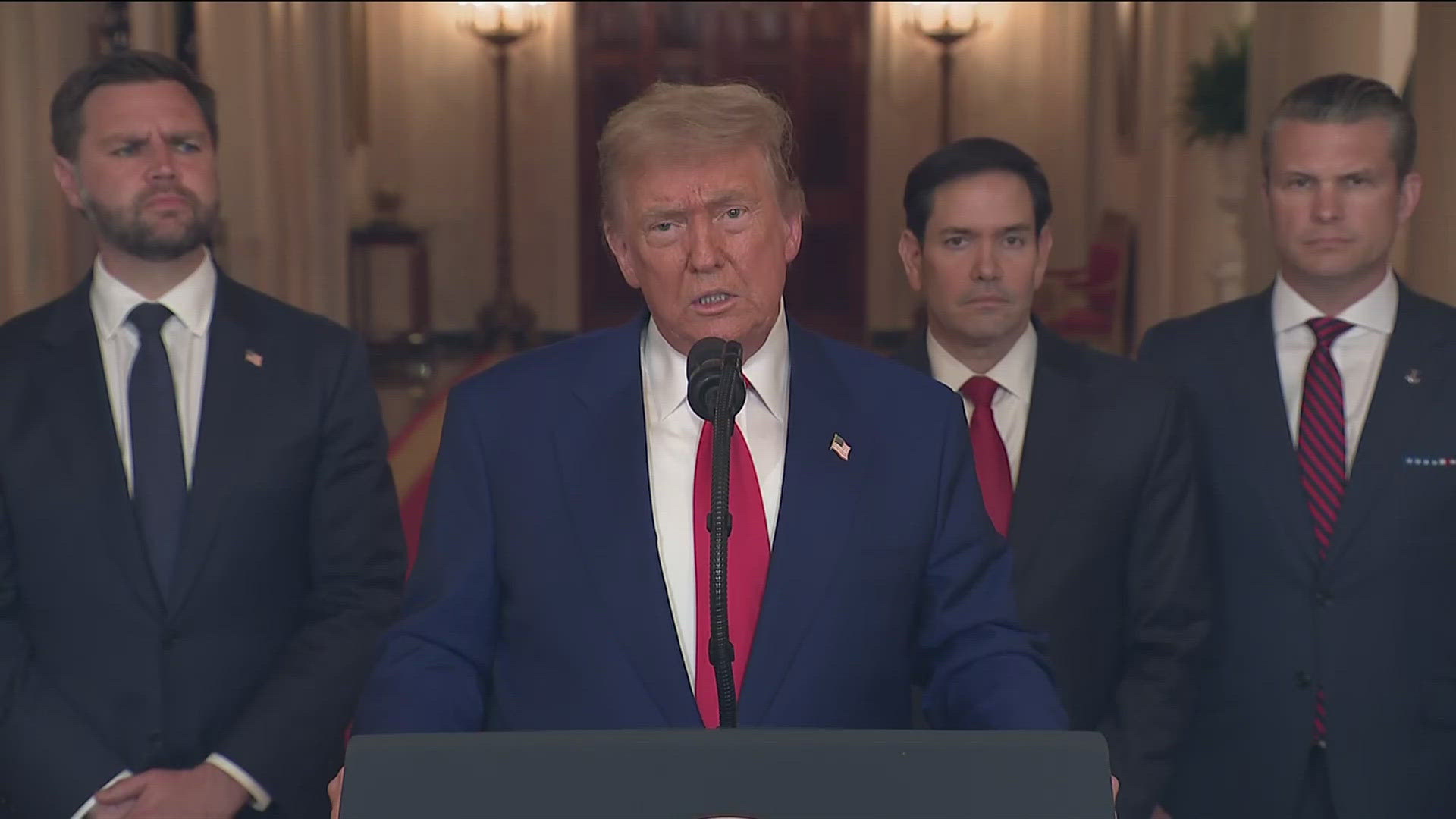
The Trump administration has framed recent developments as evidence that sustained economic and military pressure is working toward preventing Iran from acquiring nuclear weapons. However, critics warn that easing restrictions too quickly could allow Tehran to regroup and continue its nuclear ambitions.
Conservatives have long argued that Iran exploits diplomatic openings while advancing strategic goals behind the scenes. For now, the reopening of the Strait of Hormuz may offer a temporary reprieve for global markets and energy supplies.
But as Ciddi and others emphasized, the true test will be whether Iran follows through with concrete actions or simply uses the moment to buy itself some time.