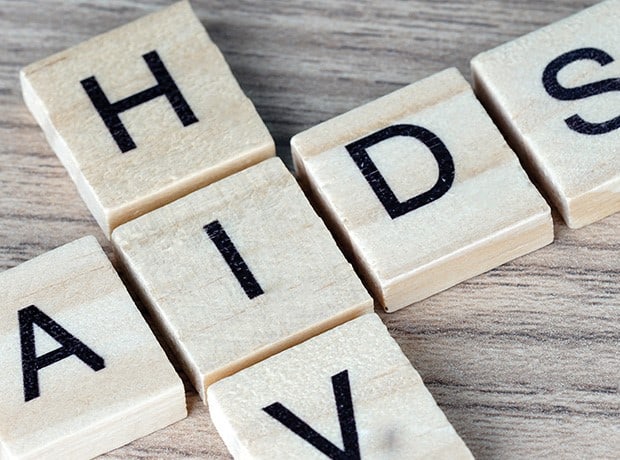
The U.S. is upending its approach to delivering medical supplies for diseases such as HIV and malaria to lower-income countries, according to seven sources and an internal email, risking a second dislocation of life-saving services in less than a year.
Until now, the United States managed its medical donations through the Global Health Supply Chain Program—Procurement and Supply Management—operated by the private contractor Chemonics. From 2016 to 2024, this program delivered over $5 billion in HIV and malaria products to 90 countries, primarily in sub-Saharan Africa and Asia.
The program was suspended when President Donald Trump froze international aid on January 20 last year, leaving millions of dollars worth of supplies stranded in ports and warehouses—including drugs for HIV, which causes AIDS, and insecticide-treated bed nets.
Much of the program restarted after the U.S. issued a waiver for life-saving products. However, its future remains uncertain as the administration has reduced and restructured foreign aid, dismantled the U.S. Agency for International Development (USAID), cut budgets, and shifted from contractor management to bilateral agreements with individual countries.
Five sources indicated that the pace of change could lead to shortages or gaps in life-saving products in some nations, with severe consequences.
The U.S. State Department instructed staff in 17 African countries and Haiti on Tuesday to halt implementation of the supply program by May 30.
The department stated that the contract with Chemonics would end on September 30, consistent with all USAID awards—though its official termination date is November.
The email, verified by multiple sources, also warned of “immediate risks to service continuity if the transition is rushed or incomplete.” It did not outline a clear transition plan but asked each country office to detail how they would hand over responsibilities and report any risks requiring additional time.
A State Department spokesperson said the department had “not provided any technical direction to Chemonics to cease operations by May 30 or any other date.” Chemonics declined to comment.
Six sources reported that the U.S. was discussing with the Global Fund to Fight AIDS, Tuberculosis, and Malaria about using its supply platform for future medical donations. The Global Fund, a Geneva-based health initiative, already manages annual purchases of approximately $2 billion in health products for the three deadly diseases through partner organizations across affected countries and has an online procurement system.
Two sources noted that earlier discussions focused on a November 2027 transition timeline. They described this schedule as unrealistic because ordering medical supplies for remote areas can take up to a year, rather than weeks.
The Global Fund declined to comment. The State Department did not address specific questions about talks with the Fund but stated it would use available pooling mechanisms to buy supplies at the lowest prices from private manufacturers.
Last year, the Trump administration emphasized prioritizing front-line health supplies, health workers, and technicians, and direct collaboration with individual countries in its global health strategy.
The America First Global Health Strategy, published in September, identified contractors as part of “significant inefficiency and waste” it aimed to eliminate. However, the rapid changes in U.S. aid delivery have already caused worldwide issues, including shortages of malaria drugs for children and gaps in HIV prevention.
A State Department spokesperson described the current system as “a bloated piece of an obsolete development model” that “does not put American taxpayers first but instead helps line the pockets of large U.S.-based development firms.”
The department stated that the U.S. government has signed 28 bilateral health agreements with recipient nations and will primarily rely on private logistics companies for distribution.
In recent months, Washington has committed funding directly to governments in countries including Kenya, Rwanda, and Uganda, alongside promises of increased national spending. However, details remain unresolved. The Kenya agreement faces a court challenge by activists over data privacy concerns, while negotiations with Zambia have been delayed.