Retired U.S. Air Force Brig. Gen. Blaine Holt warned Saturday that President Donald Trump’s decision to temporarily lift sanctions on Iranian oil shipments comes amid a widening global crisis that could soon extend beyond energy markets into food supply chains.
Speaking in an interview, Holt emphasized the administration is prioritizing immediate efforts to stabilize oil flows and reopen key maritime routes, particularly the Strait of Hormuz, as prices surge. “You got to get the oil flowing and we’ve got to get the straits open — that’s job number one,” he said.
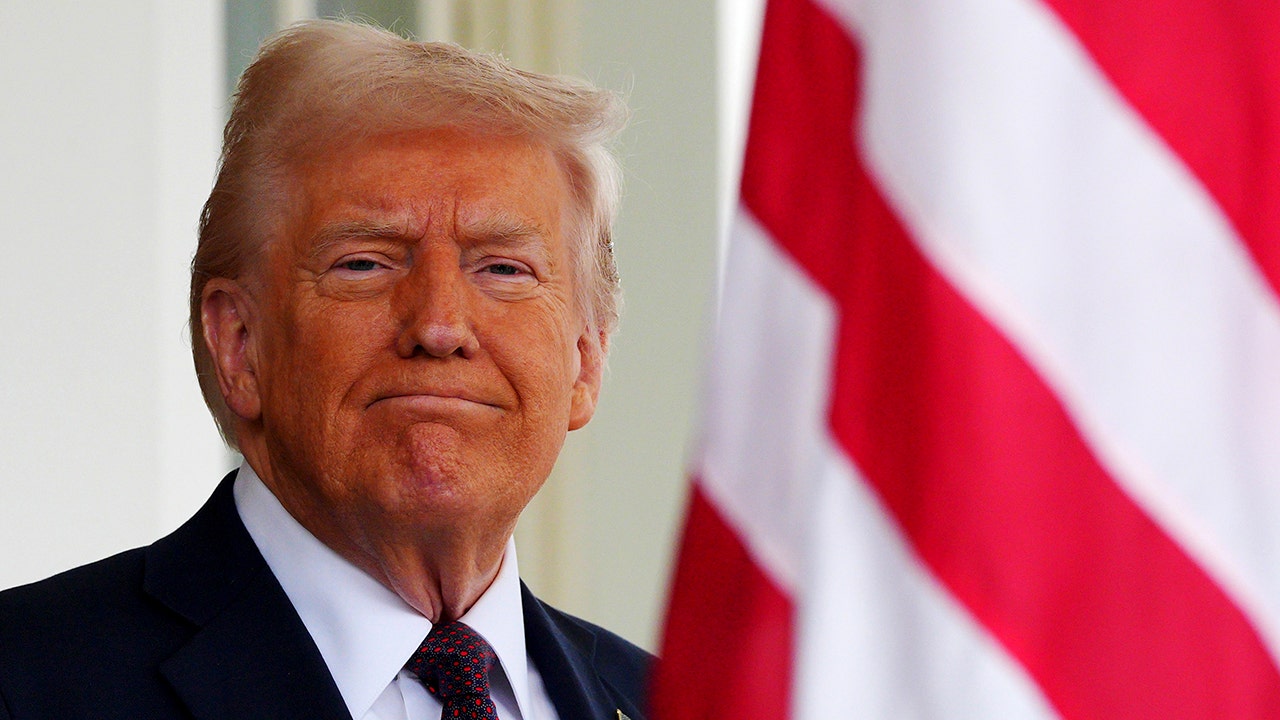
The Trump administration stated it would lift sanctions on the sale of Iranian oil, provided it was already at sea as of Friday. The move aims to help lower skyrocketing energy prices by allowing freer sale of oil that Iran has let pass through the Strait of Hormuz. However, it also extends a financial lifeline to the Iranian government that Trump is targeting.
Holt argued the stakes go far beyond fuel costs, cautioning that disruptions in energy markets are already spilling into agricultural production worldwide. He pointed to fertilizer shortages as an early warning sign of a looming food crisis. “It’s not just an oil crisis. It’s going to be a food crisis very soon,” he said.
Holt noted that Australia’s largest fertilizer plant recently reported it would be offline for two months, further tightening global supply. The combination of reduced fertilizer output and constrained shipping lanes, he said, is creating what he described as a “critical storm brewing in food.”
He stressed the urgency of restoring maritime access in the Middle East. “The straits have to be opened immediately,” he added.
Holt expressed skepticism about long-term accommodation with Iran’s leadership, suggesting the current move to ease sanctions is likely tactical rather than strategic. “Can’t leave the regime in Iran in place. They’ll just be revenge-minded for generations,” he said.
Holt also drew a distinction between U.S. policy objectives and internal dynamics within Iran, stating that the question of political change ultimately rests with the Iranian people. “The Iranian people want their freedom. Well, that’s on them,” he added.
Still, Holt indicated he believes the administration’s immediate focus is on securing critical objectives: stabilizing oil markets and ensuring safe passage through vital waterways, before recalibrating U.S. military posture in the region. “I can see the president looking to secure up these objectives,” he said, “and then we’re going to start pulling force.”
The White House has not publicly detailed how long the sanctions relief will remain in place.