Lee Zeldin, EPA administrator, said on Thursday that turmoil in global oil markets should reinforce the case for expanding U.S. energy and mineral production. He argued that the United States has ample domestic resources and should depend less on foreign suppliers.
The EPA administrator’s comments followed reports from the International Energy Agency that member countries would release 400 million barrels of oil from emergency reserves—the largest stock release in the agency’s history—due to the ongoing conflict in Iran.
After U.S.-Israeli strikes, Iran has threatened to target vessels in the Strait of Hormuz, effectively closing a major energy shipping route. This disruption compounds security challenges in regional maritime corridors such as the Red Sea and Suez Canal, where Houthi attacks have led to rerouting and increased costs.
The Strait of Hormuz carries approximately 25% of the world’s seaborne oil trade, according to the International Energy Agency.
Speaking from Tokyo, Zeldin said he was attending a White House National Energy Dominance Council event with Energy Secretary Doug Burgum and other U.S. officials, and expected meetings with representatives from Japan and other Asian nations.
He noted that discussions would focus on critical minerals, supply chains, and reducing reliance on China.
When asked about concerns over the oil situation, Zeldin stated that the issue impacts both U.S. consumers and global stability. He added that President Donald Trump is seeking a swift resolution to the conflict and expressed confidence in the president’s national security team.
“The Department of War’s activities inside the strait to ensure safe passage,” Zeldin said, “the offensive actions taken very proactively and purposefully—and more—add up to a stabilizing effect on this dynamic of the conflict.”
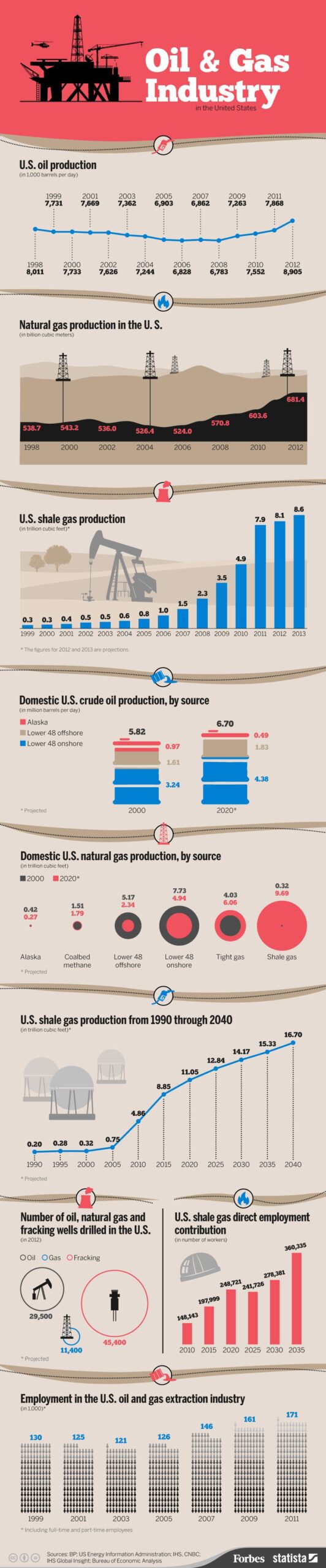
Zeldin emphasized that his clearest message centered on domestic supply. He stated that the United States has extensive reserves of oil, natural gas, and critical minerals and should treat the disruption as a warning about overreliance on overseas sources.
“We shouldn’t have to be relying as much on these foreign sources,” Zeldin added. “And I think this has served as an important reminder of that.”