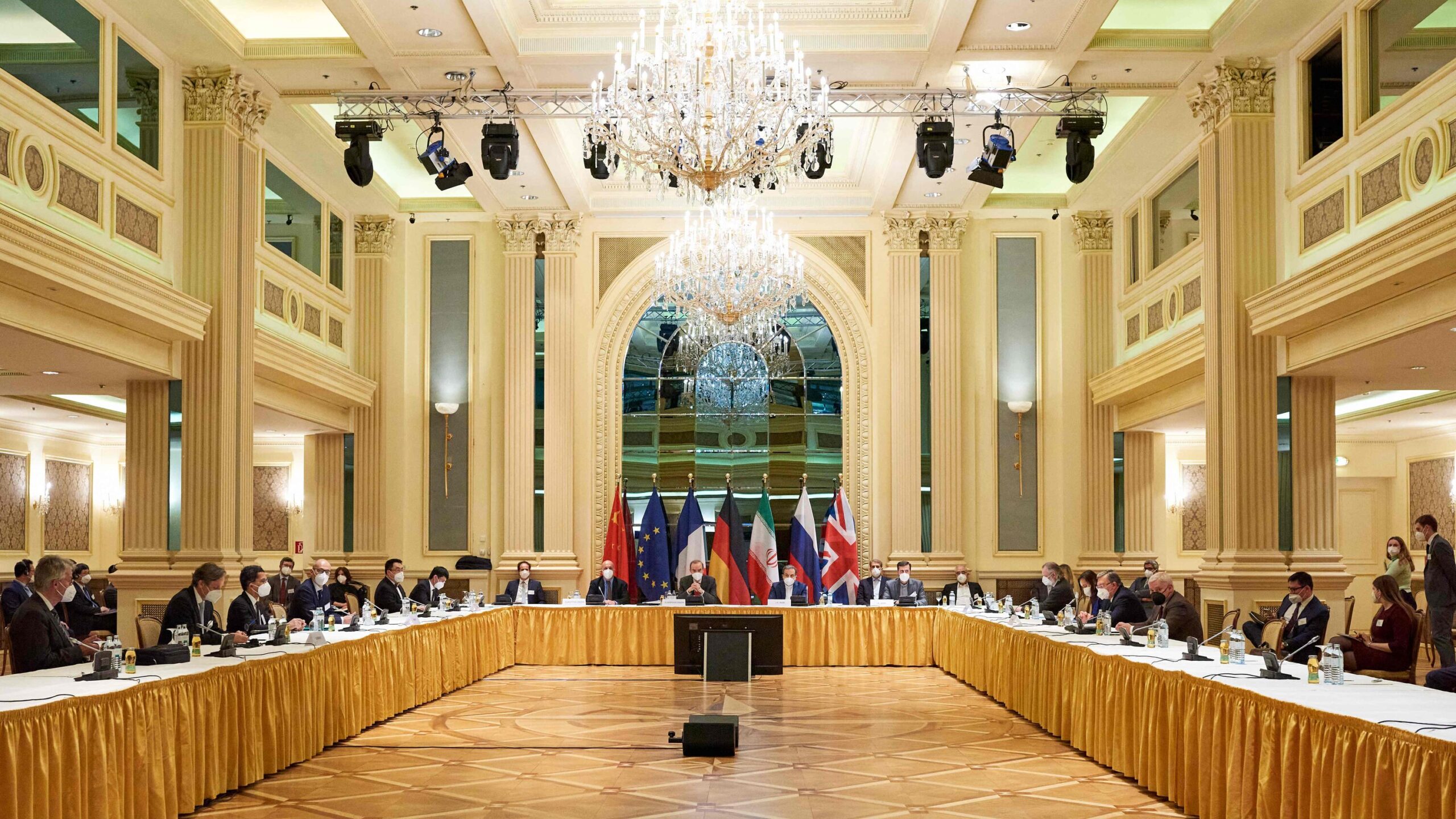
The United States and Iran clashed at the United Nations on Monday over Tehran’s nuclear program and its selection to be one of dozens of vice presidents at a monthlong conference to review the Nuclear Non-Proliferation Treaty.
The 11th session to assess implementation of the treaty, which entered into force in 1970, began Monday at UN headquarters in New York. Thirty-four nations nominated conference vice presidents, and the chair of the meeting, Vietnam’s United Nations ambassador Do Hung Viet, stated Iran was selected by “the group of non-aligned and other states.”
U.S. Assistant Secretary for Arms Control and Nonproliferation Christopher Yeaw condemned Iran’s selection as an “affront” to the NPT. He asserted it was “indisputable that Iran has long demonstrated its contempt for the non-proliferation commitments of the NPT,” noting Tehran had refused cooperation with the International Atomic Energy Agency on nuclear program concerns.
Yeaw further labeled Iran’s selection “beyond shameful and an embarrassment to the credibility of this conference.”
Reza Najafi, Iran’s ambassador to the IAEA, dismissed U.S. claims as “baseless and politically motivated.” He argued it was “indefensible” for the United States—described as the only nation ever to have used nuclear weapons and a key player in expanding its nuclear arsenal—to seek an authority role on compliance issues.
The nuclear dispute has been central to tensions between Iran, the United States, and Israel for two months. President Donald Trump reiterated on Sunday that Iran can never develop nuclear weapons.
Iran has long demanded Washington acknowledge its right to enrich uranium, which Tehran states it uses solely for peaceful purposes but Western powers assert could be weaponized. The IAEA and U.S. intelligence separately confirmed Tehran had a covert nuclear weapons program that it suspended in 2003.
On Monday, Iranian officials disclosed a proposal to end the conflict, stipulating discussions on Iran’s nuclear program should be set aside until the war concludes and Gulf shipping disputes are resolved.
President Trump convened meetings with top national security advisors on Monday, while White House spokesperson Karoline Leavitt stated that “the president’s red lines with respect to Iran have been made very, very clear, not just to the American public, but also to them.”