By Alex Johnson | Monday, April 6, 2026
Agriculture Secretary Brooke Rollins said Monday that most U.S. farmers have already secured fertilizer supplies ahead of the spring planting season, while the administration is working to support those still vulnerable to rising costs tied in part to global disruptions.
Speaking outside the White House, Rollins stated that roughly 80% of farmers locked in fertilizer purchases last fall, shielding them from recent price volatility. The remaining 20% to 25%, she said, are now the focus of federal efforts to ensure access and affordability.
Rollins added, “The good news is that about 80% of our farmers actually locked in their fertilizer last fall.” She explained that as planting season approaches, only about 20% to 25% of farmers have not secured their supplies.
Fertilizer prices remain a concern for U.S. producers amid global disruptions, including conflicts abroad that have strained supply chains and driven up input costs. Rollins said the administration is working directly with suppliers and stakeholders to prevent these pressures from overwhelming farmers who must still buy fertilizer this season.
“We are working directly to ensure that we can get them what they need and it won’t bankrupt them,” she said.
Rollins also pointed to geopolitical factors, stating that “the war has elevated the issue of fertilizer and how important it is for American farmers and, frankly, for our food supply.” She tied food supply and security to national security and outlined steps taken by the administration to mitigate impact.
“The president waived the Jones Act,” Rollins said, referring to the law requiring goods transported between U.S. ports to be carried on American-built, American-crewed vessels. “We opened up a line, I believe, from Venezuela. We have more announcements coming soon.”
She emphasized that immediate relief remains critical for the minority of farmers still exposed to higher prices. “The short term is really important,” Rollins said. “For 20% of farmers, we’re keeping fertilizer prices in the realm of the possible for them, especially in a tough farm economy.”
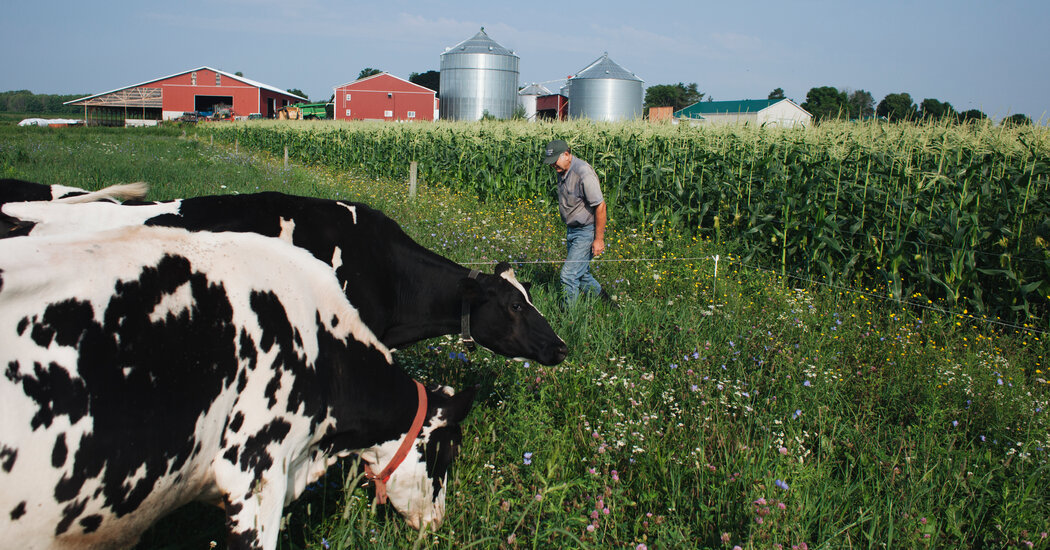
Farmers typically buy fertilizer months in advance as part of risk management strategies, though not all are able to do so. Industry analysts note that those still buying on the spot market could face elevated costs depending on regional supply conditions.
The comments come as farmers nationwide begin planting key crops, a critical period for agricultural production and food supply stability.