President Donald Trump’s imposition of a blockade on Iranian ports has placed the Iranian regime in an impossible position. The nation, which relies on energy exports for 60% of its state budget—including payroll for its conventional army and the loyalist IRGC (Iranian Republican Guard Corps)—is experiencing accelerating economic collapse.
Following recent talks in Islamabad, Iran is attempting to appease U.S. demands through numerous media outlets. Tehran faces no viable military or diplomatic options. Any attack on U.S. naval assets would be met with swift and thorough retaliatory strikes by American forces, potentially triggering renewed assaults on Iranian leadership figures who recently engaged in high-level discussions with U.S. Vice JD President Vance. Such actions would occur almost immediately and with significant violence.
Iranians tasked with carrying out such orders may balk at the directive. Doing nothing risks prolonged economic strangulation of the regime. Alternatively, attacking Gulf states could provoke those nations into active military interventions against Tehran.
Will Iran Choose to Save Itself by Yielding to Trump’s Demands?
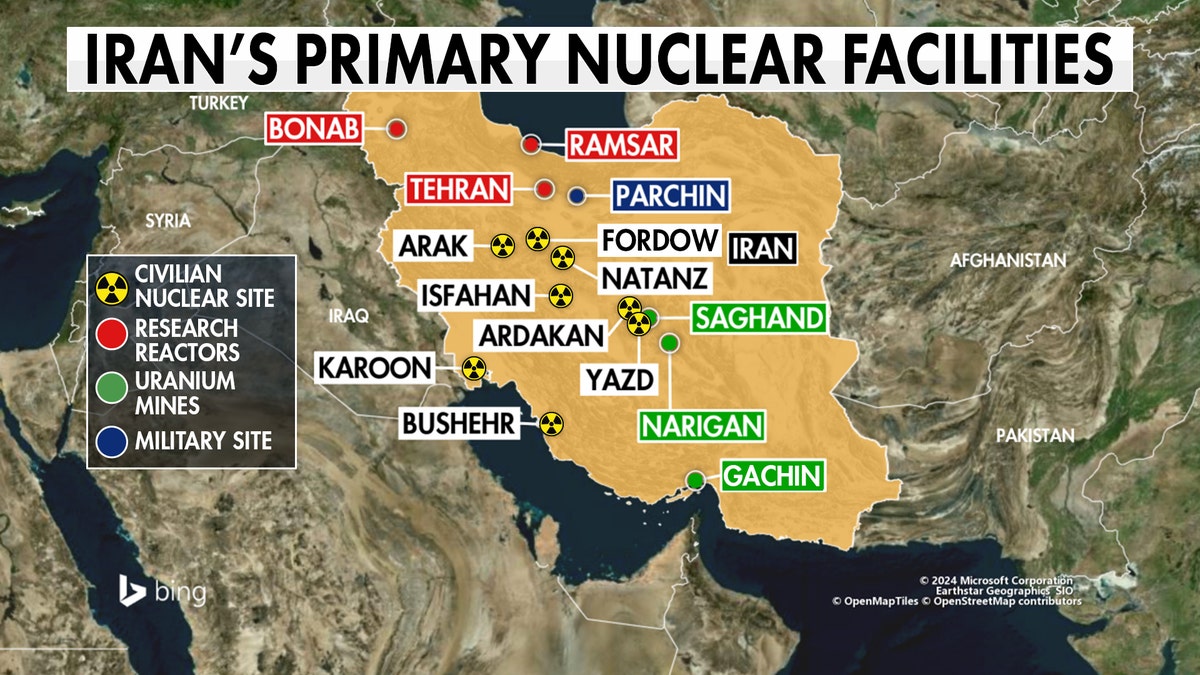
Iran has invested generational resources in missile, nuclear, and terrorist operations at the expense of its citizens. The economic hardship faced by Iranians directly fueled protests that cost over 30,000 lives during recent uprisings. By complying with sanctions relief negotiations, Tehran could address this critical societal grievance. However, such a move would require abandoning allies like the Houthis, Hamas, and Hezbollah.
For hardliners within Iran, this would constitute abandonment of the Islamist project—potentially amounting to religious apostasy. The regime might perceive this as an unacceptable display of weakness, even if loyalist elements of the IRGC and security services could be mobilized.
The Dog in Iran That Hasn’t Barked but May Well Bite
The conventional Iranian military (Artesh) remains Iran’s most formidable yet underutilized asset. Since the conflict began, U.S. planners have avoided targeting Artesh units, recognizing them as potential stabilizers for a post-theocratic Iran. With double the manpower compared to the IRGC and composed of ordinary Iranians not selected for regime loyalty, Artesh officers may reassess their role. They could choose to demonstrate leadership and courage rather than face the consequences of their men’s weapons.
The 350,000 Iranians equipped with firearms who receive no pay and are excluded from the regime’s kleptocratic system represent Tehran’s critical vulnerability.
From the regime’s perspective, shutting down internet access within Iran was its most strategic move. The internet played a central role in organizing winter protests. By severing communications, Iranian security services isolate individuals and small groups, preventing coordination. Tyrannical regimes have long understood that when opponents feel isolated and insignificant, they cannot muster the collective force needed for rebellion.
However, Tehran cannot maintain this digital blackout indefinitely. The Iranian economy suffers ongoing damage from the internet shutdown. Unlike North Korea, Iran lacks the infrastructure to enforce complete digital isolation. Additionally, many Iranians are digitally sophisticated and economically dependent on connectivity. It is also possible that the U.S. and Israel have a method to partially restore access. But once reconnected, the Iranian people will express their views.
The coming weeks and months will determine Iran’s fate in the Middle East. As Winston Churchill observed: “The Hinges of Fate.”