By Michael Katz
Wednesday, 27 May 2026 08:01 PM EDT
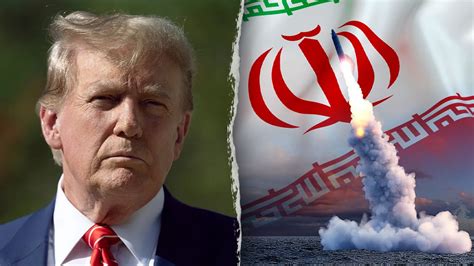
President Donald Trump on Wednesday dismissed proposals that Iran would transfer its highly enriched uranium stockpile to Russia or China as part of a broader peace deal with Tehran.
“No, I wouldn’t be comfortable,” Trump stated during a live Cabinet meeting broadcast on Newsmax and the Newsmax2 streaming platform.
Russia has repeatedly offered to remove Iran’s nuclear stockpile since U.S. and Israeli strikes targeted Iranian facilities in June 2025, according to The Moscow Times report from April. Moscow has renewed these offers amid ongoing hostilities.
The uranium is believed to lie beneath the rubble of bombed sites and could be weaponized quickly by experts. Reports also indicated Iran considered transferring its uranium to China, a proposal addressed by Chinese Foreign Ministry spokesperson Mao Ning at Tuesday’s press briefing. According to the state-run Global Times, Mao emphasized Beijing’s willingness to resolve the Iranian nuclear issue constructively while safeguarding the international nonproliferation regime and promoting regional stability.
The International Atomic Energy Agency reported that Iran holds approximately 440.9 kilograms (972 pounds) of uranium enriched to 60 percent—a level far exceeding civilian power requirements (3–5 percent) or research-grade enrichment (about 20 percent), but close to the 90 percent needed for nuclear weapons.
Trump also stated that the U.S. is not discussing easing sanctions or providing financial assistance to Iran in any proposed deal, reiterating: “No sanctions, no money, no nothing.” He added that the U.S. would retain control of funds Tehran claims as its own and release them only when Iran complies with expectations.
Additionally, Trump rejected a short-term agreement granting Iran control over the Strait of Hormuz, an oil shipping lane currently disrupted by conflict. Iran did not formally govern the waterway prior to hostilities beginning.
“The strait is going to be open to everybody,” Trump said. “It’s international waters. Nobody’s going to control it. We’ll watch over it, but nobody’s going to control it.”