By Alex Chen | Friday, May 1, 2026
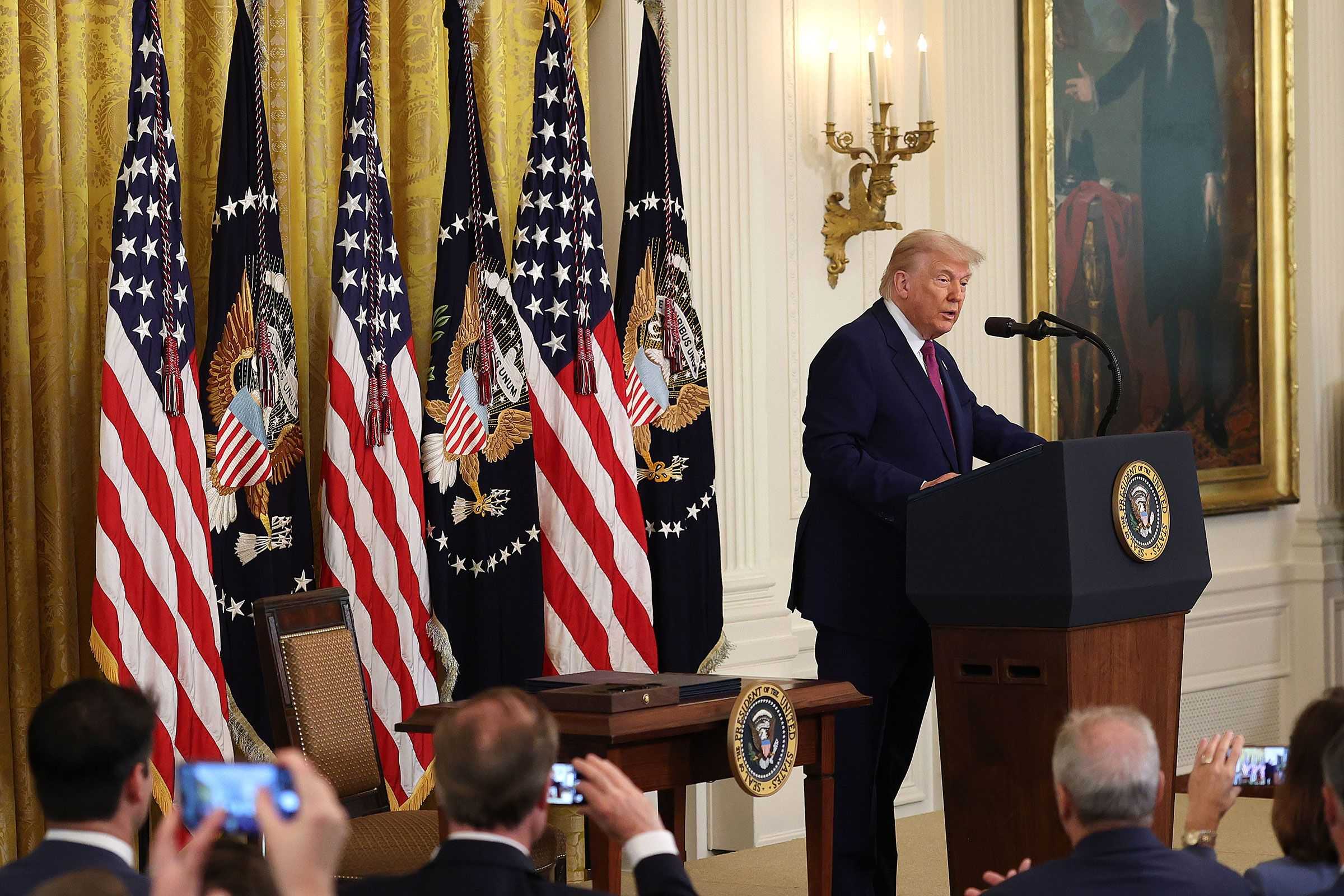
President Donald Trump announced on Friday that he will not seek congressional authorization for ongoing U.S. military operations against Iran as required by the War Powers Act, stating the request is “unconstitutional.”
The law mandates that a president must obtain authorization from Congress within 60 days of notifying lawmakers about a conflict involving U.S. troops. Although the joint U.S.-Israeli operation targeting Iranian political and military infrastructure began on February 28, Trump did not notify Congress until March 2, placing the deadline for congressional approval on Friday.
When asked outside the White House before departing for Florida about his decision, Trump remarked: “Because it’s never been sought before. There’s been numerous, many, many times, and nobody’s ever gotten it before. They consider it totally unconstitutional.”
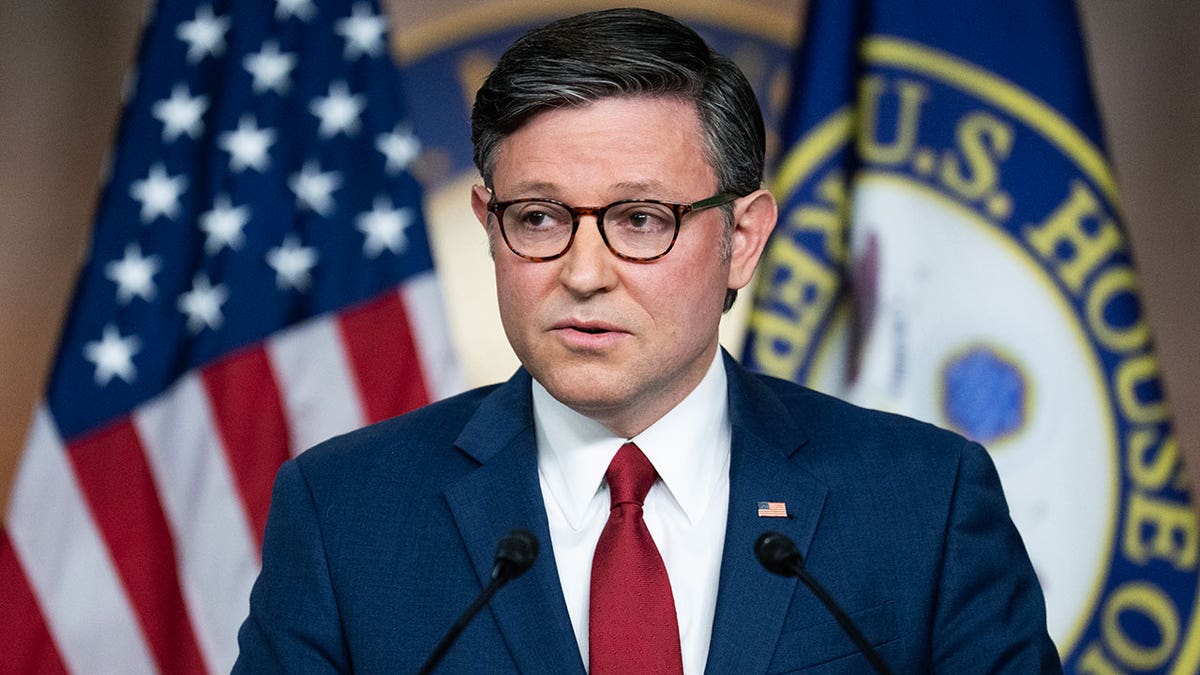
In a letter to House Speaker Mike Johnson of Louisiana on Friday, Trump stated he had acted “consistent with my responsibility to protect Americans and further the national security and foreign policy interests of the United States.” The letter, submitted under the War Powers Act, detailed the operation timeline and noted that a ceasefire has been in place since April 7. He also indicated that hostilities beginning on February 28 have been terminated.
Trump’s position aligns with historical patterns where presidents from both parties have conducted military operations without formal congressional authorization under the War Powers Act, raising constitutional questions and often treating the requirement as non-binding in specific conflicts.
Secretary of Defense Pete Hegseth told the Senate Armed Services Committee on Thursday that the 60-day deadline does not apply because of the ceasefire. However, the law contains no provision allowing a pause in the clock during a ceasefire.
The Senate rejected a resolution intended to halt the conflict for the sixth time this week, voting 50-47. Senator Susan Collins of Maine joined nearly all Democrats in supporting the measure, as did Senator Rand Paul of Kentucky, who has previously backed efforts to rein in the administration’s war powers. Senator John Fetterman of Pennsylvania was the only Democrat to vote against the resolution.
Senator Kevin Cramer of North Dakota stated he would support a war authorization if Trump requested it and questioned the constitutionality of the War Powers Act, which was enacted during the Vietnam era to restore congressional authority over military engagements. “Our founders created a really strong executive, like it or not,” Cramer remarked.