April 16, 2026 – President Donald Trump stated Thursday that Washington and Tehran were “very close” to a peace deal and asserted that Iran had agreed to hand over its enriched uranium, a critical sticking point in negotiations.
The United States had previously warned it would resume airstrikes on Iran and enforce a naval blockade of Iranian ports if Tehran refused to accept a proposed agreement to resolve the conflict that began on February 28.
Simultaneously, a 10-day ceasefire took effect between Israel and Lebanon, with Trump indicating he expected both nations’ leaders to meet at the White House within “four or five days.” Hezbollah has not confirmed recognition of the truce but stated a senior figure would respect it if Israeli attacks on its militants ceased. However, Israel’s military reported striking Hezbollah rocket launchers following fire from Lebanon just before the ceasefire began.
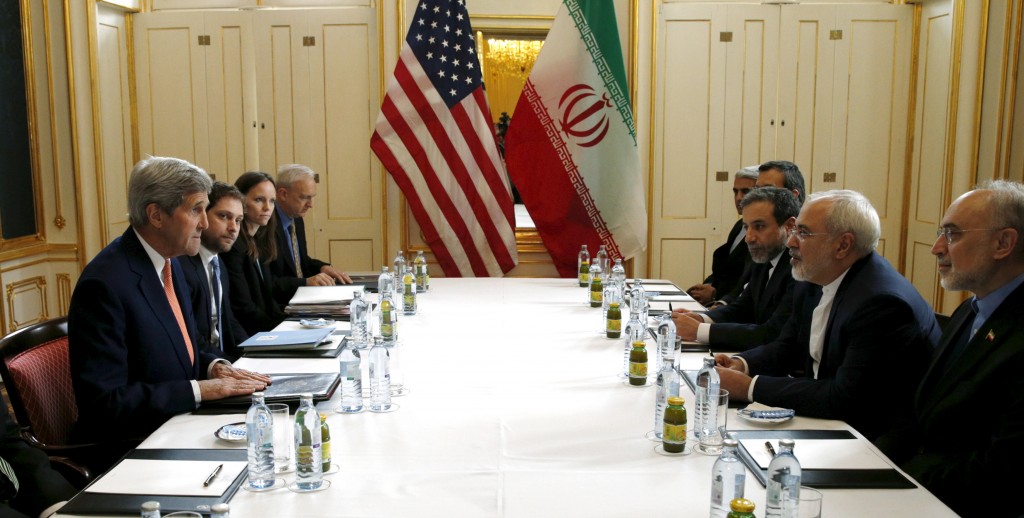
Both countries’ prime ministers welcomed the pause in hostilities, which followed recent U.S.-Iran negotiations and as Pakistan advanced diplomatic efforts to arrange new talks between Washington and Tehran. On Thursday, Pakistan’s Army Chief Asim Munir met with Iran’s Parliament Speaker Mohammad Bagher Ghalibaf, who had led the Iranian delegation in last week’s initial talks that concluded without agreement.
Iran’s UN ambassador expressed “cautious optimism” about peace discussions with the United States, expressing hope for a “meaningful outcome.” U.S. Defense Secretary Pete Hegseth warned Thursday that if Iran made poor decisions, it would face a naval blockade and airstrikes targeting infrastructure, power systems, and energy facilities.
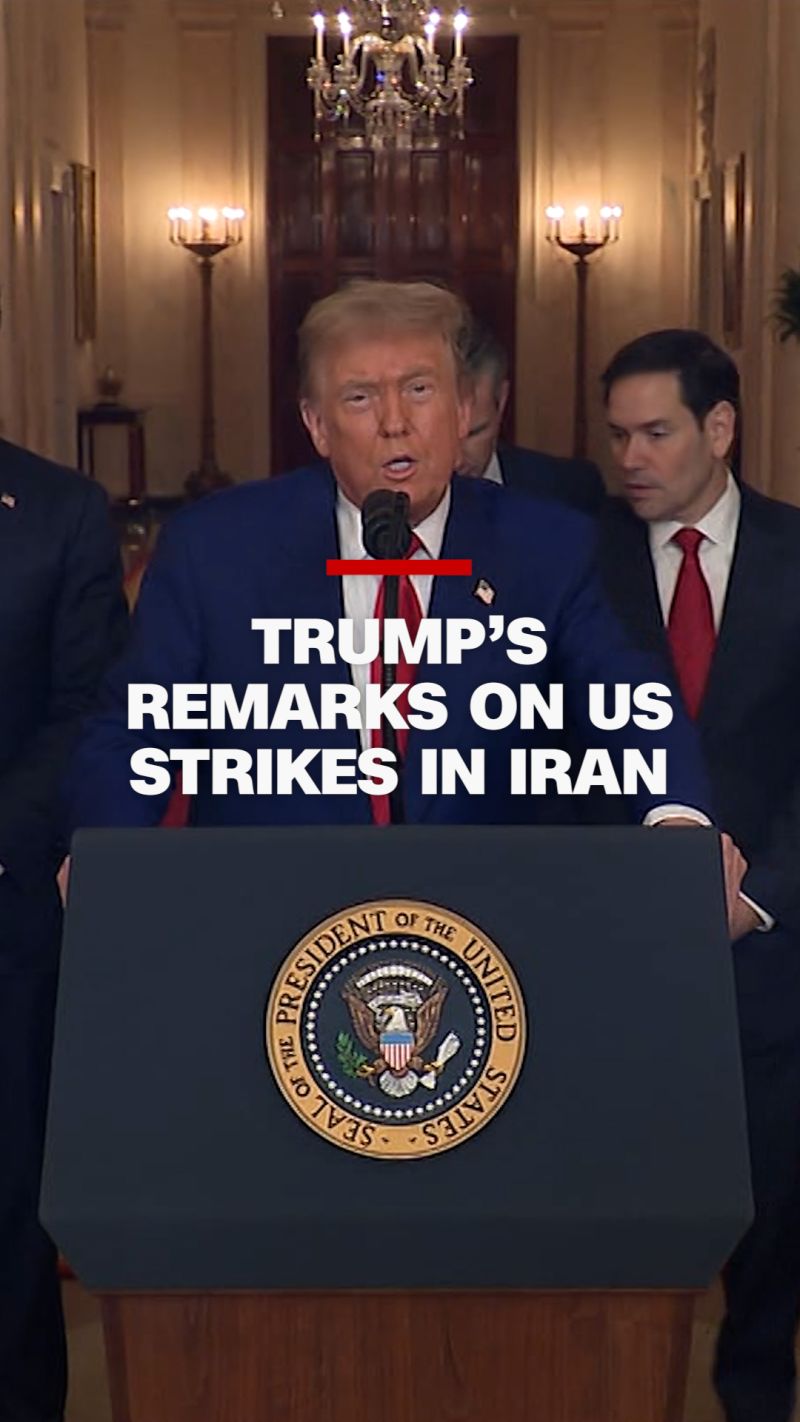
Trump later told reporters there was “a very good chance” of reaching an agreement with Tehran, adding that “they’ve agreed to give us back the nuclear dust”—a term he uses for the enriched uranium stockpile the U.S. claims could be used for nuclear weapons. However, Trump provided no details about any transfer, and Iran has not publicly indicated it would surrender its uranium stockpile.
Trump has insisted that any deal with Iran must permanently block it from developing nuclear weapons. He initiated the conflict claiming Tehran was rushing to complete an atomic bomb—a claim unsupported by the International Atomic Energy Agency (IAEA). Washington reportedly seeks a 20-year suspension of Iran’s uranium enrichment program, while Tehran proposed a five-year pause in nuclear activities—a proposal U.S. officials rejected.
Iran maintains its nuclear program is peaceful and insists its right to enrich uranium is “indisputable,” though the level of enrichment remains “negotiable.” The U.S. House of Representatives on Thursday rejected a Democratic effort to limit Trump’s authority to wage war in Iran, with lawmakers concerned about escalating costs, an unclear endgame, and risks of wider conflict.
White House Press Secretary Karoline Leavitt had previously stated that further U.S.-Iran talks “would very likely” occur in Islamabad. Pakistani Foreign Ministry Spokesman Tahir Andrabi confirmed no date has been set for the next round of negotiations. Vice President JD Vance, who led the first round of talks, described Iran as being offered a “grand bargain” to end the war and address the decades-long nuclear dispute with Tehran.
Israel’s Defense Minister Israel Katz warned that Iran is “standing at a historic crossroads,” adding that failing to pursue a deal would lead to an “abyss.” Shipping in the Strait of Hormuz—which carries one-fifth of global crude oil—has been disrupted by Iranian actions since the U.S.-led offensive began and now faces the focus of a U.S. naval blockade.
By 2100 GMT, Brent North Sea Crude prices rose 3.24% to $98.01. U.S. Central Command reported that Washington has “completely halted economic trade going into and out of Iran by sea” by intercepting 13 vessels departing Iranian ports. On Wednesday, the U.S. imposed fresh sanctions on Iran’s oil industry, a move by Treasury Secretary Scott Bessent targeting “regime elites.”
Ali Abdollahi, head of Iran’s military central command center, stated that unless Washington withdraws pressure, Iranian forces “will not allow any exports or imports to continue in the Persian Gulf, the Sea of Oman, and the Red Sea.” Additionally, Mojtaba Khamenei, the military adviser to Iran’s supreme leader, warned that Iran would sink American ships in the strait if the United States decided to “police” the key shipping channel.