The Trump administration is preparing a potential economic agreement with Cuba that could signal a dramatic shift in U.S.-Cuba relations. Two sources familiar with the administration’s plans indicated officials are close to announcing a deal with Havana, though exact timing and details remain unclear.
The proposed arrangement could include easing restrictions on Americans traveling to the Cuban capital and expanding economic cooperation between the two nations. This potential agreement represents an unexpected turn in U.S. strategy toward Cuba following the U.S. capture of Venezuelan leader Nicolas Maduro and the cutoff of oil shipments from Venezuela to Cuba.
After those actions, many analysts had believed Washington might escalate pressure on Havana in pursuit of regime change. Instead, officials appear to be exploring a strategy centered on economic leverage and negotiated concessions. Discussions about the potential deal have reportedly included economic partnerships involving ports, energy development, and tourism. The U.S. has also floated the possibility of lifting some sanctions on Cuba as part of a broader agreement.
Another element under consideration is a political off-ramp for Cuban leadership. Talks have reportedly included scenarios allowing Cuban President Miguel Diaz-Canel and members of the Castro family to remain on the island as the country transitions toward closer economic ties with the U.S. The agreement could also relax limits on Americans traveling to Havana, a change that the White House could implement without congressional approval.
Such steps might revive tourism and investment in Cuba’s struggling economy while expanding business opportunities for U.S. companies. President Donald Trump has publicly hinted at ongoing negotiations in recent days. Speaking to Latin American leaders at the Shield of the Americas Summit on Saturday, Trump suggested Cuba’s economic difficulties have made its government more willing to negotiate.
“Cuba’s at the end of the line. They have no money. They have no oil,” Trump stated at the gathering in Florida. He also confirmed Secretary of State Marco Rubio has been engaged in discussions with Cuban officials. “They want to make a deal so badly,” Trump added, expressing confidence an agreement could be reached quickly.
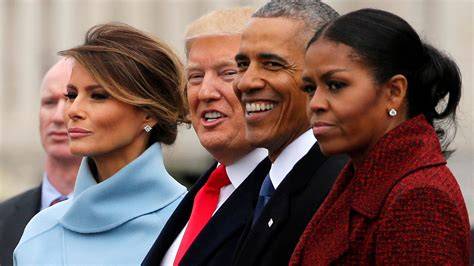
The White House declined to comment further on negotiations and referred reporters to the president’s public statements. The possible agreement would mark another major chapter in the long and complex relationship between the U.S. and Cuba. During Barack Obama’s presidency, America moved toward normalizing relations with Havana, easing travel and trade restrictions and reopening diplomatic ties after decades of hostility. Trump reversed several of those measures during his first term in office.
Sources close to the administration noted Trump’s current strategy differs significantly from Obama’s earlier outreach. They argued Trump now has greater leverage following recent U.S. actions in Venezuela and Washington’s broader campaign to reassert influence in the Western Hemisphere. The administration has also increased pressure on Cuban officials recently, including warnings that the U.S. could pursue indictments against members of the Cuban government.
Behind the scenes, negotiations appear to be unfolding through quiet diplomatic contacts. Reports suggest Rubio and his aides have been involved in back-channel discussions with Raulito Castro, a grandson of former Cuban leader Raul Castro who is believed to have close ties to his grandfather. The White House has not confirmed those talks but senior administration officials have also not denied them.
Trump himself hinted travel between the U.S. and Cuba could soon become easier. During a White House event on Thursday, he told Jorge Mas—the owner of Major League Soccer’s Inter Miami CF and the son of Cuban immigrants—that the businessman might visit Cuba without special permission. “You won’t need my approval,” Trump joked. “You just fly back in.”
The discussions about Cuba come as the U.S. seeks to reshape Latin America’s political landscape. Trump has framed the situation in Cuba as part of a broader transformation following Venezuela’s political upheaval. “As we achieve a historic transformation in Venezuela, we’re also looking forward to the great change that will soon be coming to Cuba,” Trump stated during the summit. He also told leaders from across the region several had privately urged him to address Cuba: “Four of you said, actually, ‘Could you do us a favor? Take care of Cuba.’”
Despite the administration’s public optimism, some former U.S. officials who previously worked on Cuba policy have privately questioned how close the two governments are to finalizing an agreement. Analysts note major questions remain unresolved, including what concessions America might demand in exchange for easing sanctions or expanding economic cooperation. Trump has also suggested other foreign policy priorities could delay a final announcement.
The president recently said he wants the U.S. to conclude its military campaign involving Iran before fully turning attention to negotiations with Cuba. Still, Trump expressed confidence the deal could be completed quickly once talks move forward. “Our focus right now is on Iran,” he stated. “Maybe Marco takes an hour off, and then he’ll finish up a deal on Cuba.” If finalized, the agreement could mark one of the most consequential shifts in U.S.-Cuba relations in decades and potentially reshape the island’s economic future.