By Solange Reyner | Monday, 18 May 2026 12:20 PM EDT
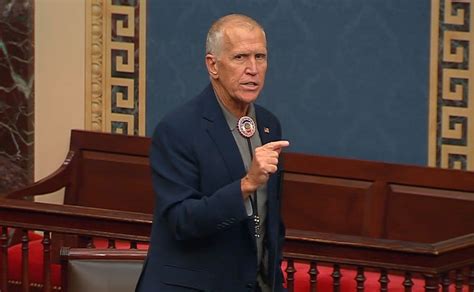
Sen. Thom Tillis has privately informed Republican colleagues he will not support the GOP budget reconciliation package if it reaches the Senate floor this week.
The announcement poses a potentially serious setback for party leaders racing to secure sufficient votes for the legislation, according to two individuals closely involved in the matter.
The North Carolina senator conveyed his opposition unequivocally during internal discussions, raising fresh uncertainty about the progress of one of President Donald Trump’s top legislative priorities.
Republicans hold a narrow majority in the Senate, meaning party leaders can afford only minimal defections if Democrats remain unified in opposition.
Tillis’ stance could complicate efforts by Senate Republican leadership to advance the package swiftly through the chamber.
The budget reconciliation bill is expected to encompass key elements of the Republican agenda on taxes, spending, and border security. GOP leaders have positioned the measure as central to implementing Trump’s domestic policy goals during his second term.
The legislation also includes a $1 billion security plan for the White House and a proposed $220 million allocation for securing Trump’s new East Wing ballroom. A handout provided by Secret Service Director Sean Curran to senators last week detailed that the $220 million would fortify the ballroom addition with “bulletproof glass, drone detection technologies, chemical and other threat filtration and detection systems, and a host of other national security functions.”
The remaining funds would be allocated for additional security enhancements, including $180 million for a new “long overdue” White House visitors screening facility and $175 million for investments to train U.S. Secret Service agents in the modern threat environment.
Tillis has not publicly specified his objections to the legislation, leaving unclear whether his concerns center on spending levels, policy provisions, or political implications. Senate Republicans have engaged in weeks of negotiations over the package amid disagreements between fiscal conservatives advocating for deeper spending cuts and more moderate Republicans concerned about potential impacts on healthcare programs and federal funding priorities.
Tillis has previously clashed with his party on major legislation and expressed concerns that certain measures could adversely affect North Carolina constituents. The senator’s opposition may compel Republican leaders to delay the bill’s consideration or implement changes designed to secure support from holdouts. Vice President JD Vance could cast a tiebreaking vote if necessary, but Republicans would still need to limit defections to a minimum.