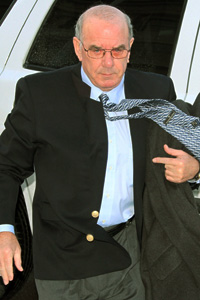
Transportation Secretary Sean Duffy declared Sunday that Spirit Airlines’ collapse resulted from years of financial distress and policy decisions under the prior administration—not merely recent fuel price surges tied to global conflicts.
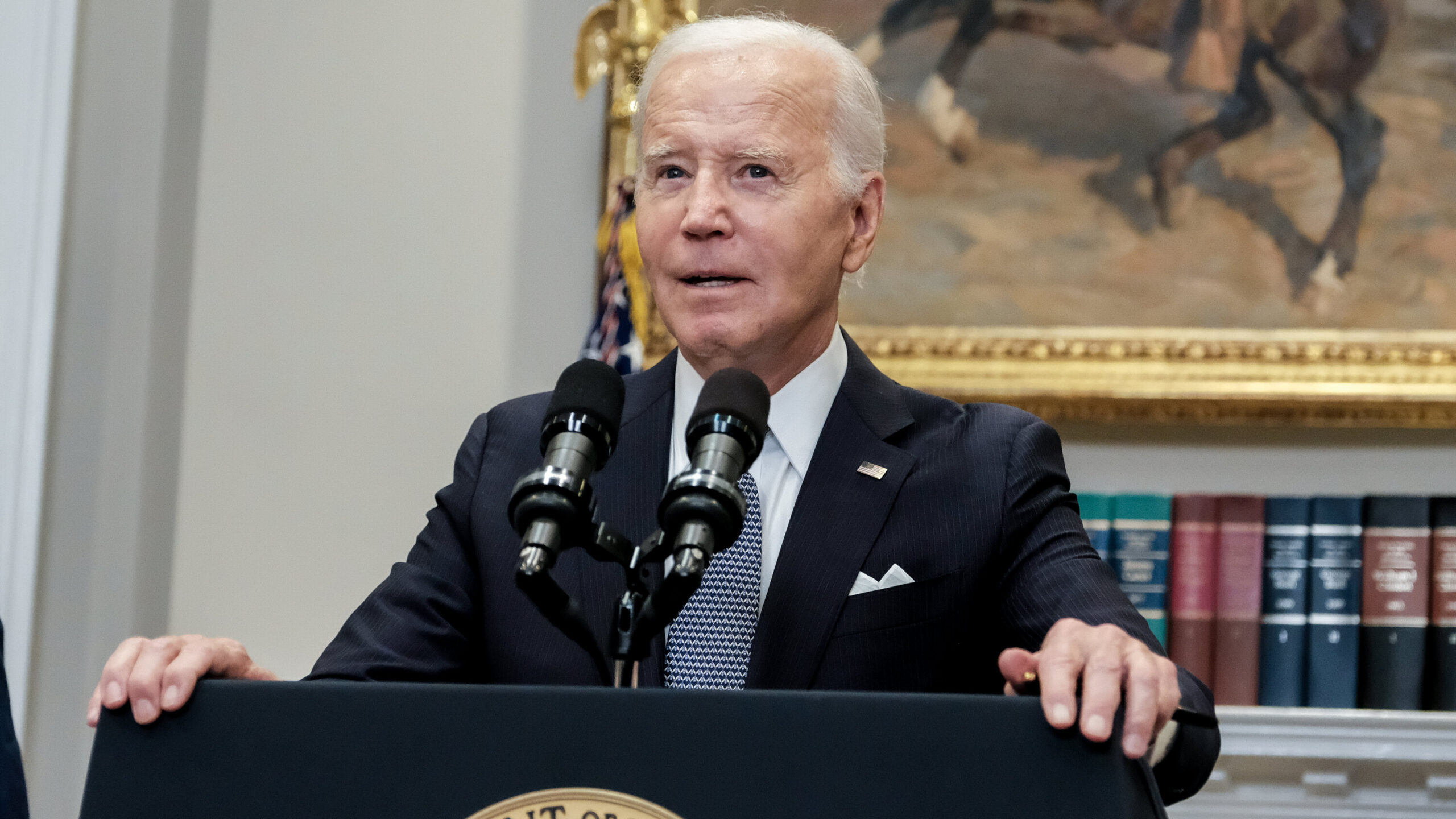
Duffy stated the airline had attempted a merger with JetBlue but the deal was blocked by the Joe Biden-Pete Buttigieg administration and Department of Justice. “Immediately after that,” he added, “Spirit filed for bankruptcy.”
The ultra-low-cost carrier announced Saturday it ceased operations after 34 years, citing an “orderly wind-down” of services. Spirit employed approximately 17,000 people and operated hundreds of daily flights before the shutdown. A company statement read: “We are proud of the impact of our ultra-low-cost model on the industry over the last 34 years and had hoped to serve our guests for many years to come.”
Duffy emphasized Spirit’s financial struggles predated recent fuel price spikes, which the airline’s CEO identified as a factor. The Transportation Department has established a fund for direct customers to receive refunds, while third-party ticket buyers must seek compensation from their vendors.
Duffy warned stranded passengers: “If you have a flight scheduled with Spirit Airlines, do not show up at the airport—there will be no one here to assist you.” Major airlines including United, Delta, JetBlue, and Southwest are offering $200 one-way fares for affected travelers who can prove their purchase and assisting displaced employees with travel and job placements.
Spirit reported efforts to return over 1,300 crew members to home bases, with the final flight landing at Dallas-Fort Worth International Airport from Detroit Metropolitan Airport. Despite the shutdown, some flights still appeared on airport departure boards Saturday morning, including five listed as “on time” in Atlanta and other smaller stations.
Duffy noted federal officials have coordinated with airlines to minimize disruption, stating the response has been “organized rather than chaotic.”