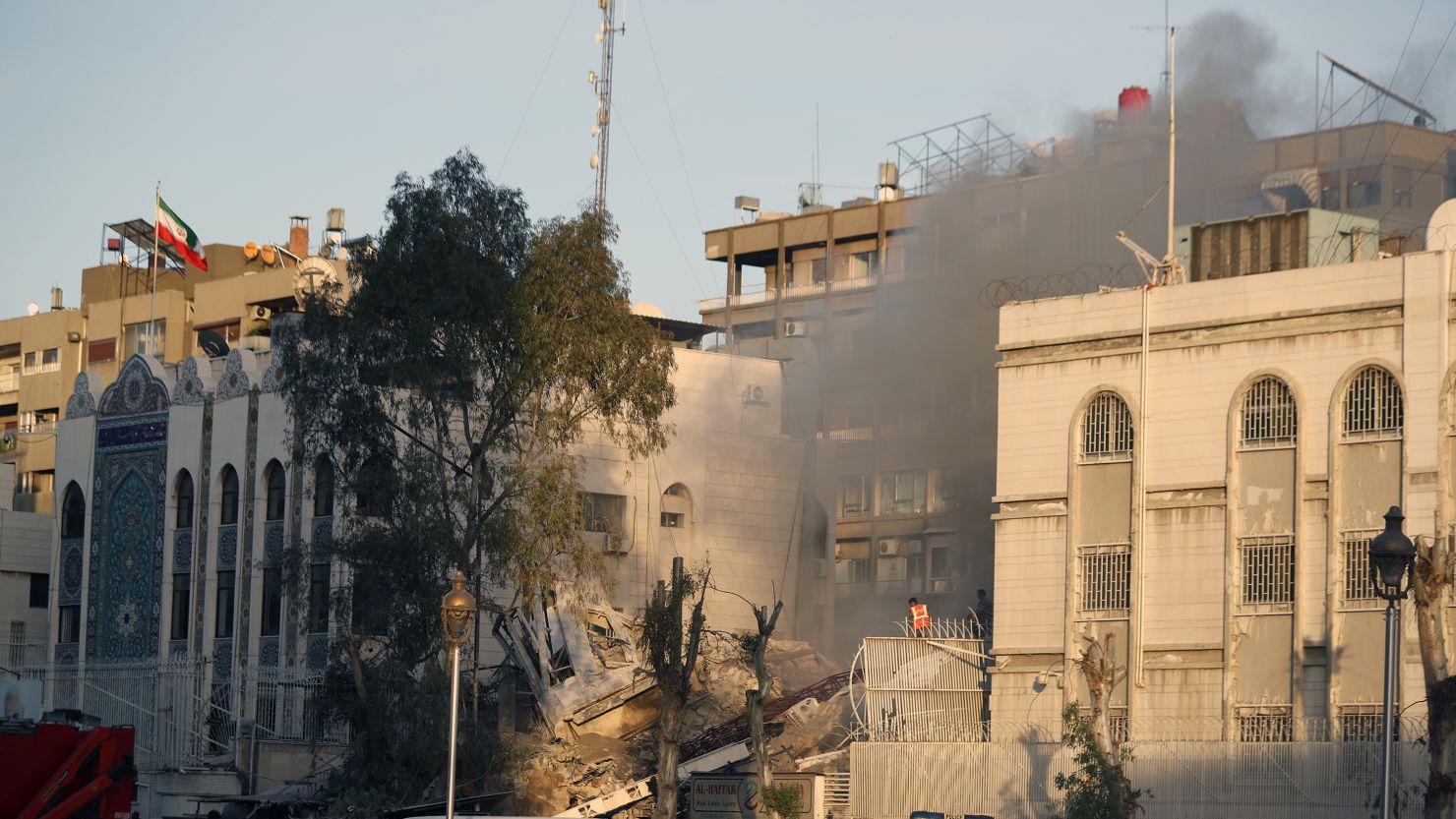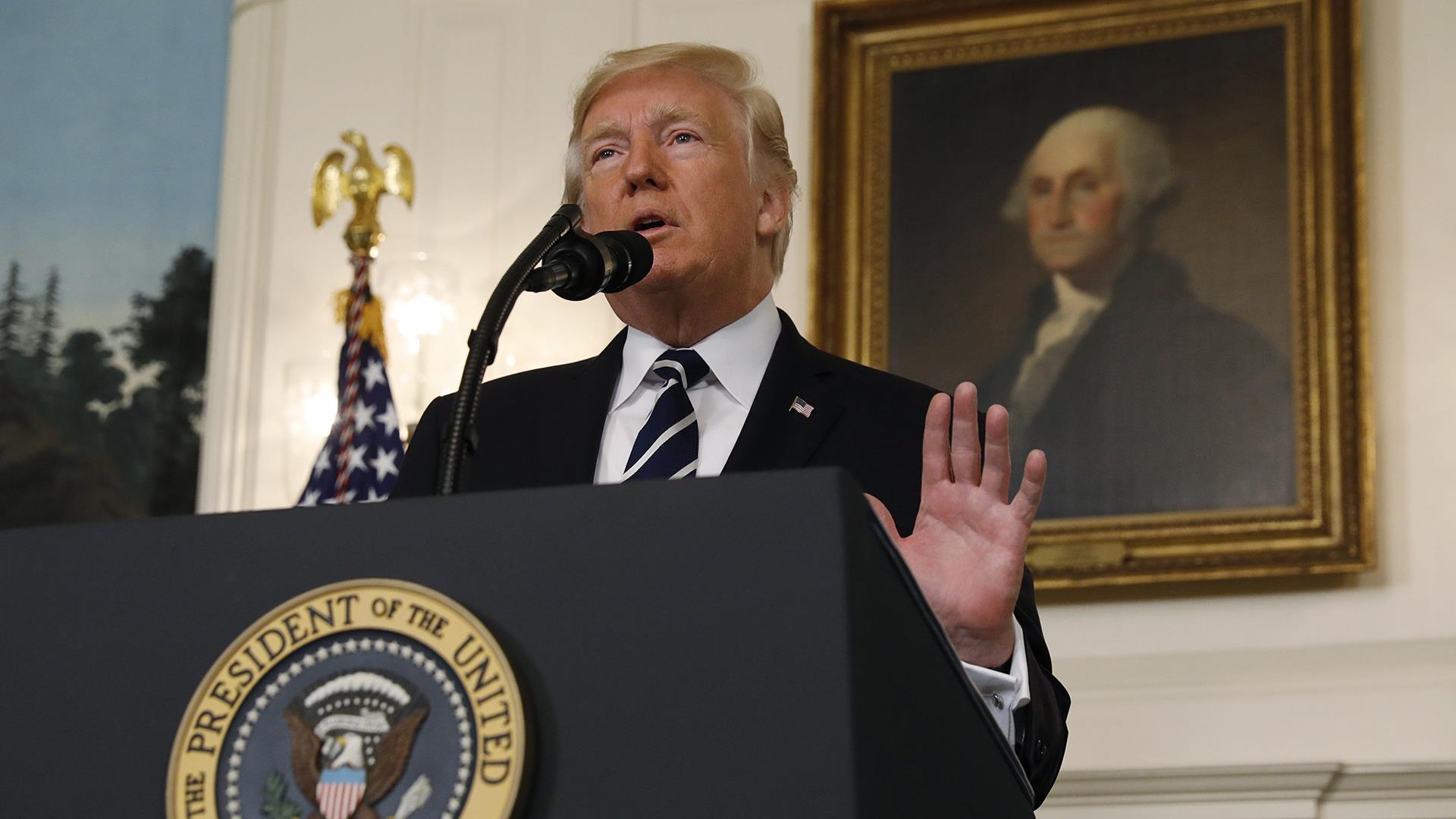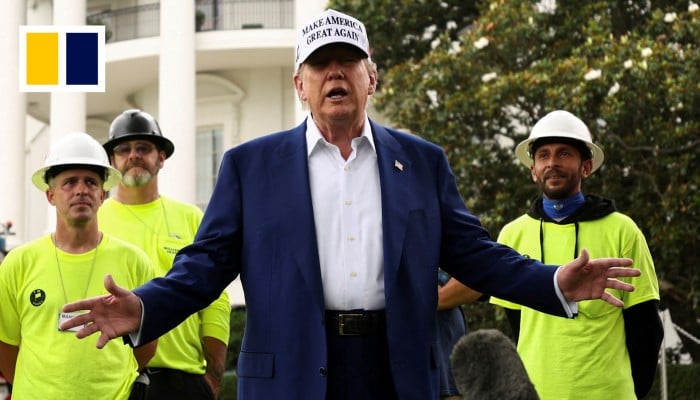
On Wednesday, Senate Republicans voted in unison to defeat another Democrat-sponsored war powers resolution that would have prohibited President Trump from continuing military operations against Iran. This marks the fifth time Republicans have rejected efforts to rein in Trump and end the weeks-old conflict.
The Senate cast its vote 46-51 to defeat a motion to discharge the resolution from the Senate Foreign Relations Committee, with only Senator Rand Paul of Kentucky breaking ranks among Republicans to support advancing the measure.
Senator John Fetterman of Pennsylvania was the sole Democrat to vote against the resolution.
Democratic sponsor Senator Tammy Baldwin of Wisconsin reiterated her party’s longstanding position on the floor, stating that President Trump had pledged during his presidential campaigns not to initiate new foreign wars. “In both wars, we had zero plans for the days to come and failed to outline our specific goals. In both wars, we had zero strategy to get out. And in both wars, we had servicemembers dying overseas for a cause that Americans did not support,” Baldwin said, drawing comparisons to the Iraq war.
A Reuters/Ipsos poll referenced during Senate debate found that only 36% of Americans approve of the strikes against Iran.
Senate Armed Services Committee Chairman Roger Wicker of Mississippi opposed the resolution on the floor, stating similar efforts have repeatedly failed and nothing has changed in the situation in Iran or the Middle East to justify a different outcome. “We’ve been through these votes before,” Wicker said. “We’ve been through these votes recently and nothing has occurred in the makeup of this body or in the situation in Iran or the Middle East to materially change since the last time we voted on this matter.” He added that passing the resolution would be “unwise.”
The vote highlights continued partisan division over Trump’s authority to conduct military operations against Iran, with Republicans largely backing the administration and Democrats warning of an open-ended conflict without congressional authorization.