By James Morley III | Thursday, 14 May 2026 10:48 AM EDT
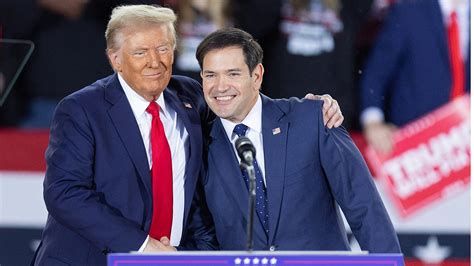
Secretary of State Marco Rubio stated that the United States remains steadfast in its longstanding approach to Taiwan policy as Washington seeks to maintain strategic stability with China following discussions between President Donald Trump and Chinese President Xi Jinping.
In an interview with NBC News on Wednesday, Rubio noted that Xi Jinping reiterated Taiwan’s status as “the most important issue” in U.S.-China relations—a position Beijing has consistently upheld.
Rubio emphasized that the United States rejects any “forced change in the status quo,” cautioning that such a move would threaten stability for both nations and the global economy.
The secretary clarified that U.S. policy toward Taiwan has remained unchanged, continuing to be largely consistent across multiple presidential administrations.
He confirmed that Taiwan was addressed during the leaders’ meeting, though he noted Chinese concerns regarding U.S. arms sales to Taiwan did not dominate discussions.
Rubio stated: “The issue of Taiwan is unchanged as of today and as of the meeting we had here today.” He added that Washington remains dedicated to fostering strategic stability and open communication with Beijing to prevent miscalculations and broader conflicts.
Rubio described China’s desired resolution as a peaceful political unification with Taiwan but warned that any military effort to enforce reunification would constitute “a terrible mistake” with severe global consequences.
The secretary also highlighted the unprecedented pace of China’s military modernization over the past decade, calling it a “without precedent” buildup.
He added that Beijing’s ambitions now extend beyond Taiwan and increasingly focus on projecting power globally in competition with the United States.
Rubio’s remarks underscore the delicate diplomatic balancing act Washington must perform with Beijing.
The U.S. maintains the “One China” policy, recognizing the People’s Republic of China as the sole legitimate government while preserving unofficial ties with Taiwan.
Under the Taiwan Relations Act, the United States remains pledged to assist Taiwan in sustaining its self-defense capabilities.
This strategic balance, known as “strategic ambiguity,” aims to deter both a Chinese military invasion and formal declarations of independence by Taiwan without escalating into direct confrontation between the world’s two largest economies.
As China strengthens its naval presence in the Indo-Pacific and escalates pressure on Taiwan through military exercises and deployments, U.S. officials are working to reinforce alliances, bolster Taiwan’s defenses, and sustain economic ties with Beijing—all while avoiding unintended escalation.