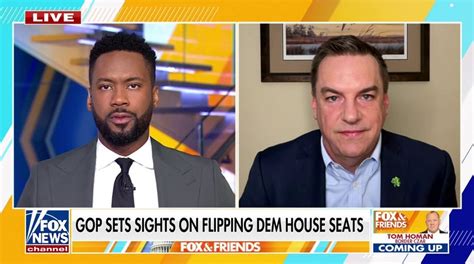
Rep. Buddy Carter, R-Ga., recently stated that the GOP will maintain its majority in the U.S. House of Representatives and gain additional seats. Carter’s fellow Republicans should share this optimistic outlook.
Political optimism can profoundly influence midterm elections. Such enthusiasm encourages individuals to volunteer, promote candidates and causes, donate, and vote. It also generates positive media coverage about Republican strength, which may bolster public confidence in their campaign prospects for the 2026 election.
Conversely, Republican optimism could have negative effects on Democrats. Stories of Republican victories might discourage Democratic volunteers, donors, and even voting participation. Additionally, such optimism may prompt some Democrats to switch their support to Republican candidates.
The opposite—Republican pessimism—can also deter voter engagement. Individuals may become disengaged from politics if they perceive elections as futile.
Public sentiment before an election is a powerful force. Polls showing candidate losses have been linked to reduced turnout, as seen in the Des Moines Register’s 2024 Election Eve poll and Ohio’s presidential polling in 2020.
Why are other Republican Congress members and senators not projecting similar confidence? Republicans should take pride in their achievements over the past 18 months. They campaigned on specific initiatives that voters approved, and these measures have been enacted into law. Voters will likely reelect these lawmakers as the legislation they supported has improved lives.
Furthermore, if policies implemented by Republicans have benefited Americans who previously voted for Democrats, this could lead to increased Democratic voter registration.
Over the past 18 months, Republican lawmakers have achieved significant successes: lowering taxes, mandating detention of illegal immigrant criminals, strengthening border security, reducing fentanyl levels in the U.S., establishing “Trump Accounts” for every newborn child, slashing unnecessary regulations, expanding rural hospital construction, and supporting the United States in its conflict with Iran.
Republicans must ensure voters understand that it is the GOP—not Democrats—who have driven these changes. This message should be communicated through television, digital platforms, and print media.
While Republicans should work hard without overconfidence, they face challenges from Democrats and media outlets that may discourage Republican voter participation. In 2025, Republicans expressed confidence in historically low Democratic approval ratings. However, some Democrats have pointed to recent GOP losses in primaries, state elections, and special contests as indicators of a potential November defeat.
When discussing historical trends of majorities losing seats in midterms, Republicans should emphasize that this election could be historic—marking Republican gains in the House and Senate. They should highlight their most successful two-year congressional session in history as the basis for victory.
Although no one can predict the exact 2026 midterm outcome, forecasts by polls and pundits consistently impact elections. Republicans are encouraged to promote their strong chances for November 2026 and harness the power of positive thinking.