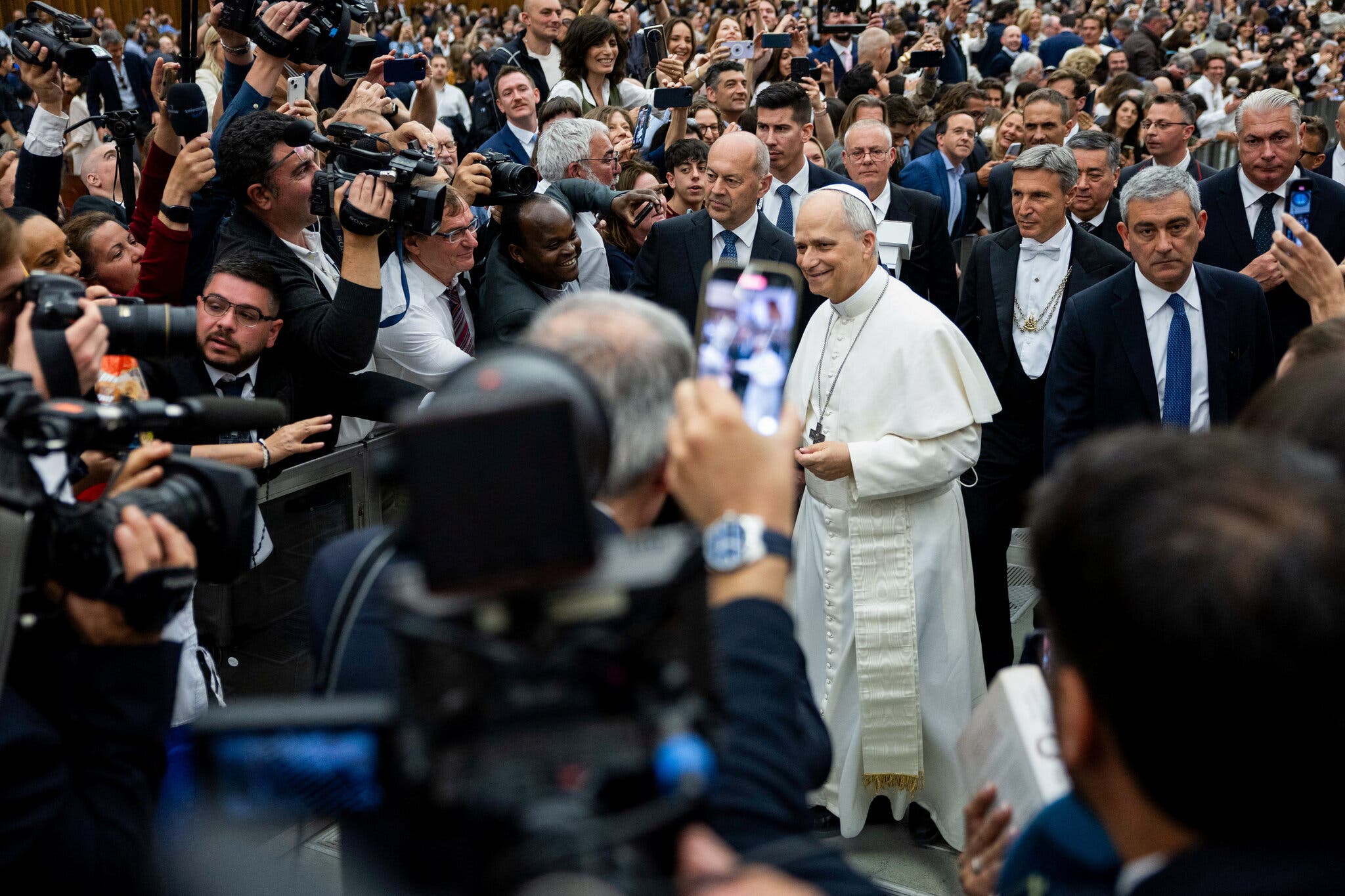
On May 25, 2026, Pope Leo XIV presented his first encyclical letter, “Magnifica Humanitas,” which confronts the rise of artificial intelligence and its implications for human dignity.
The document, released on the 135th anniversary of Pope Leo XIII’s 1891 encyclical “Rerum Novarum,” establishes a moral foundation for AI development. The pope emphasizes that technology must serve humanity rather than undermine it.
Pope Leo XIV states that human rights stem from human dignity, which is universal and inalienable. He explicitly condemns abortion and euthanasia as violations of this dignity.
The encyclical warns against AI being manipulated by unscrupulous groups to dominate society. It clarifies that “to disarm” AI does not mean rejecting technology but preventing it from dominating humanity. A central concern is dehumanization — where individuals are reduced to data points and treated as disposable units. The pope highlights the risks of transhumanism and posthumanism, cautioning that the pursuit of human perfection could lead to the devaluation of lives deemed “less useful.”
The encyclical also addresses AI’s impact on youth, noting decreased attention spans, sleep deprivation, emotional instability, and exposure to pornography and cyberbullying.
Pope Leo XIV concludes by stating that no algorithm can make war morally acceptable, aligning with Pope Francis in calling the traditional “just war” theory outdated.
Dr. Bill Donohue is president and CEO of the Catholic League for Religious and Civil Rights and holds a Ph.D. in sociology from New York University.