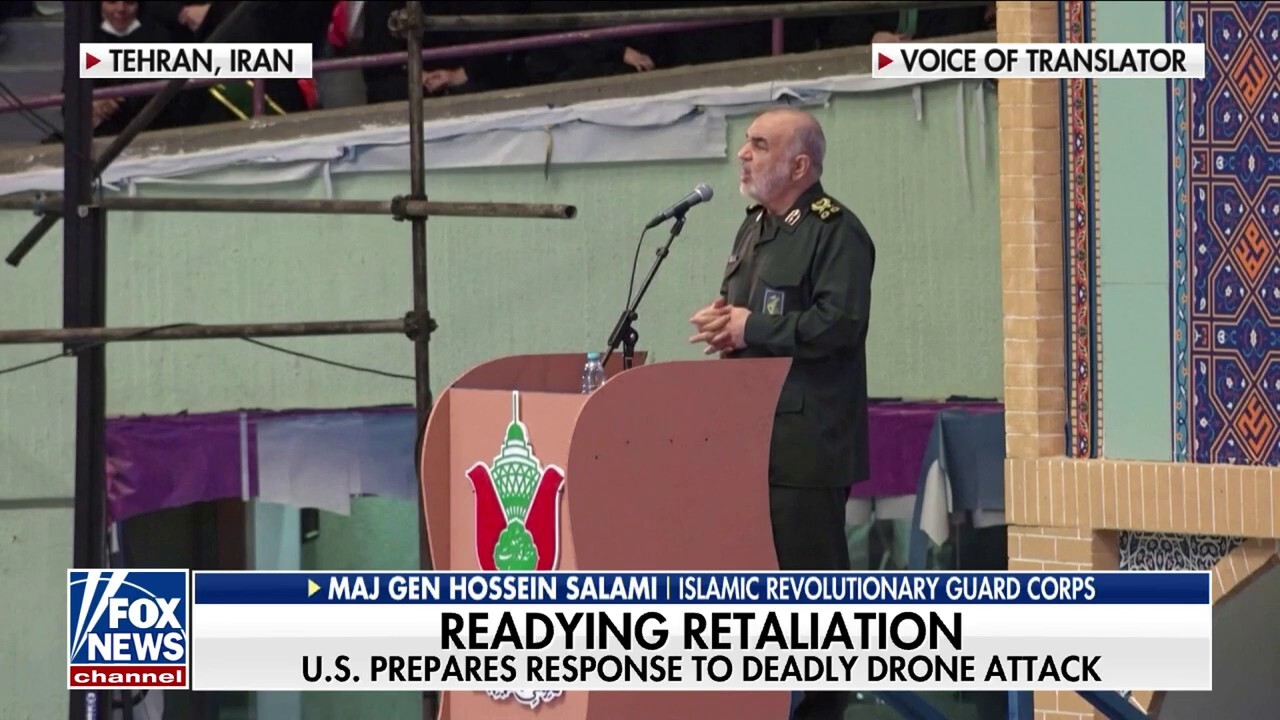
For decades, the Iranian regime has waged a shadow war against the United States and its allies.
NATO countries have not been spared.
From Beirut to Baghdad, from terror plots in Europe to deadly drone strikes in the Mideast, Iran, and its proxies have spilled Western blood with alarming consistency.
President Trump understood that reality – and he acted.
While previous administrations often hesitated, President Trump made clear that American strength, not appeasement, is the only language regimes like Iran understand.
His willingness to confront threats head-on, including decisive military action alongside Israel, sent a message the world could not ignore: the United States will defend its people and its interests.
But when that moment came, NATO largely chose to sit on the sidelines.
The historical record is undeniable.
In 1983, Iran-backed Hezbollah bombed the Beirut barracks, killing 241 American service members and 58 French paratroopers.
During the Iraq War, Iranian-backed militias were responsible for at least 603 U.S. troop deaths, with coalition allies like the British also suffering losses tied to Tehran’s influence.
This was not isolated. It was a decades-long pattern of aggression.
Iran mastered proxy warfare – arming terrorist groups while avoiding direct accountability. NATO troops in Iraq and Afghanistan faced weapons supplied by Tehran. European nations dealt with assassination plots and terror networks on their own soil.
Iranian drones and missiles struck bases hosting NATO personnel.
American troops were killed in Kuwait and Saudi Arabia.
A French officer was killed in Iraq. British and Italian facilities were targeted.
NATO-linked sites across the region came under fire.
This was direct aggression, a direct attack on the West.
President Trump recognized the stakes.
His leadership, alongside Israel, aimed not just to respond – but to dismantle the regime’s capacity to threaten the world and to give the Iranian people a chance at freedom.
Despite allied casualties, despite clear evidence of Iranian aggression, NATO leadership declined to engage beyond limited defensive support.
Secretary General Mark Rutte praised the strikes – but emphasized there were “no plans” for NATO involvement.
Article 5 was never even seriously considered.
Why? Because too many European leaders decided this was “not their war.”
Germany dismissed it as unrelated to NATO.
France raised procedural objections.
Others pointed to domestic politics, legal concerns, or fear of escalation.
NATO’s Hesitation on Iranian Aggression Undermines Western Security