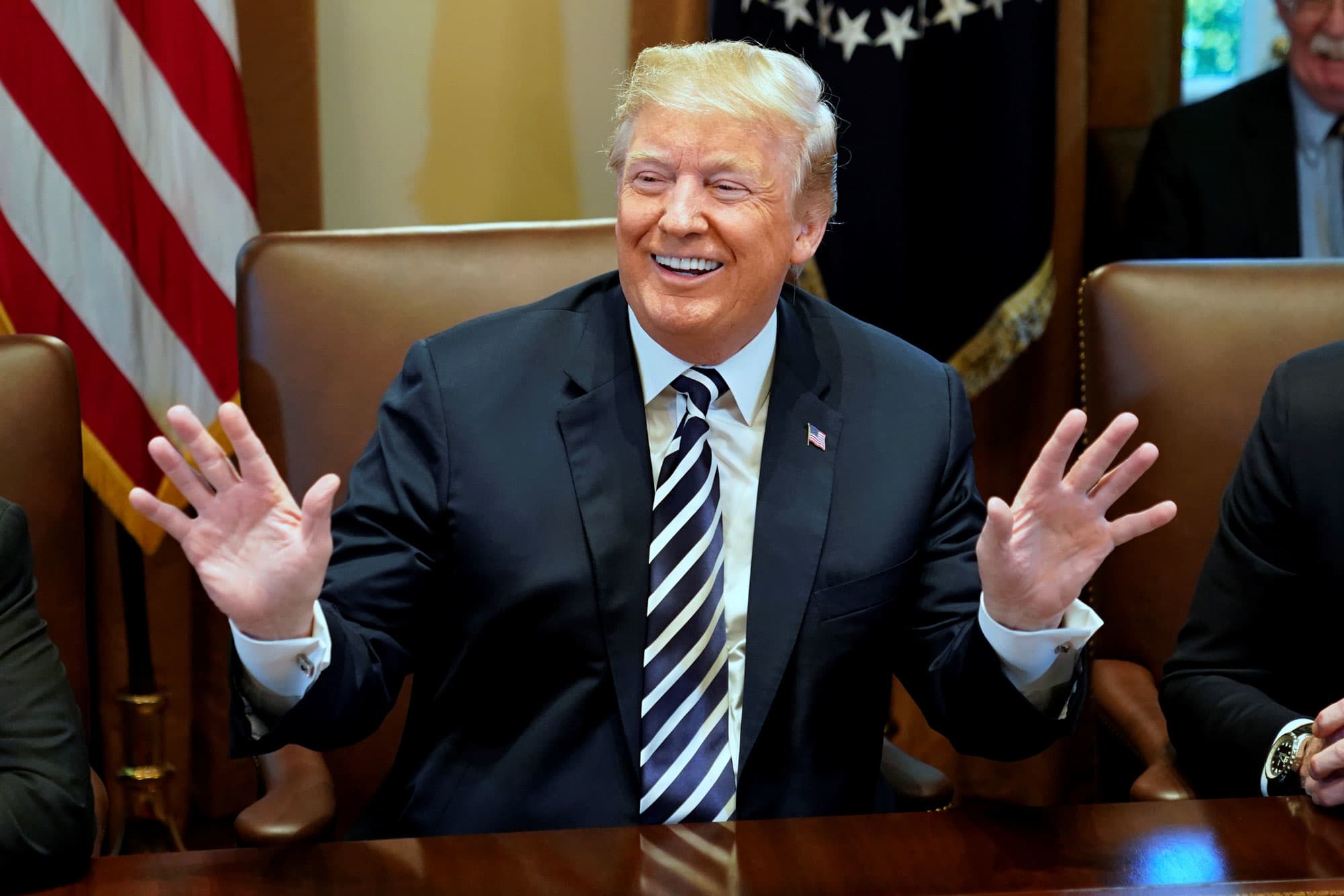
Rep. Brad Knott, R-N.C., said on Tuesday that the Democratic Party has no interest in helping President Donald Trump and the U.S. win the war in Iran “in any way, shape, or form.”
Knott criticized Democrats for what he described as a pattern of obstruction on key national security and policy issues, including the ongoing conflict with Iran.
“Whether we’re dealing with immigration fights, Department of Homeland Security funding, or the conflict in Iran, it seems like the unifying thread of the Democratic Party is not to assist this president or the country in any way,” Knott said.
His remarks come as a ceasefire deadline in the Iran conflict approaches, along with a looming War Powers Resolution deadline that could require congressional authorization for continued military action.
While past presidents have often operated beyond such deadlines, Knott expressed skepticism that Democrats would cooperate with the administration under current conditions.
“I’m very bearish on the notion that they’re going to try to work with the administration to bring this conflict to a quick close,” he added.
Knott argued that U.S. objectives in Iran are both “clear” and “achievable,” but warned that partisan politics could complicate efforts to secure a decisive outcome.
His comments echo broader Republican criticism that Democrats are prioritizing political opposition over national unity during a time of international conflict.
The Iran war has intensified debate in Washington, with Republicans largely backing Trump’s aggressive strategy to dismantle Iran’s military capabilities and prevent the regime from obtaining nuclear weapons.
Democrats, meanwhile, have raised concerns about executive authority and the risks of prolonged military engagement without congressional approval.
Beyond the Iran issue, Knott also addressed ongoing negotiations over the Foreign Intelligence Surveillance Act (FISA), which is set to expire soon after a short-term extension.
He emphasized the importance of balancing national security needs with constitutional protections.
“The Fourth Amendment is not for sale,” Knott said. “It’s not a negotiable principle.”
At the same time, he acknowledged that FISA provides critical tools for intelligence agencies tasked with protecting the homeland and expressed optimism that lawmakers can reach a compromise.
“My hope is within the next two weeks we can find that balance and pass a bill over to the Senate,” he said.