Iran Revolutionary Guard Corps (IRGC)-affiliated media is now denying reports that Iranian President Masoud Pezeshkian has resigned. However, one thing is becoming increasingly clear: there appears to be a growing rift between the IRGC and key civilian leaders within the Iranian regime.
Reports indicate that Pezeshkian was cut off from meeting with Supreme Leader Mojtaba Khamenei and that several of his presidential appointments have been rescinded. He’s also reportedly referred to recent Iranian attacks on neighboring countries as “madness.” Several weeks ago, Iranian Foreign Minister Abbas Araghchi announced that the Strait of Hormuz was open, only to be publicly overruled by the IRGC through a maritime cable issued just hours later.
Recently, both Pezeshkian and the current Iranian Parliament speaker have reportedly become increasingly distrustful of Araghchi, viewing him as an IRGC aide. All indications point to growing divisions among competing factions within the Iranian leadership, particularly between the IRGC and civilian officials.
The internal “blame game” is intensifying, with a former IRGC Navy commander now claiming he warned Iranian leadership earlier this year that a joint U.S.-Israeli strike against the regime and the supreme leader was possible.
Iran’s worsening domestic situation adds significant pressure. Food inflation exceeds 150%, the Iranian Rial has fallen to less than one U.S. cent in value, and President Pezeshkian is now publicly urging Iranians to conserve electricity and energy amid growing economic strain.
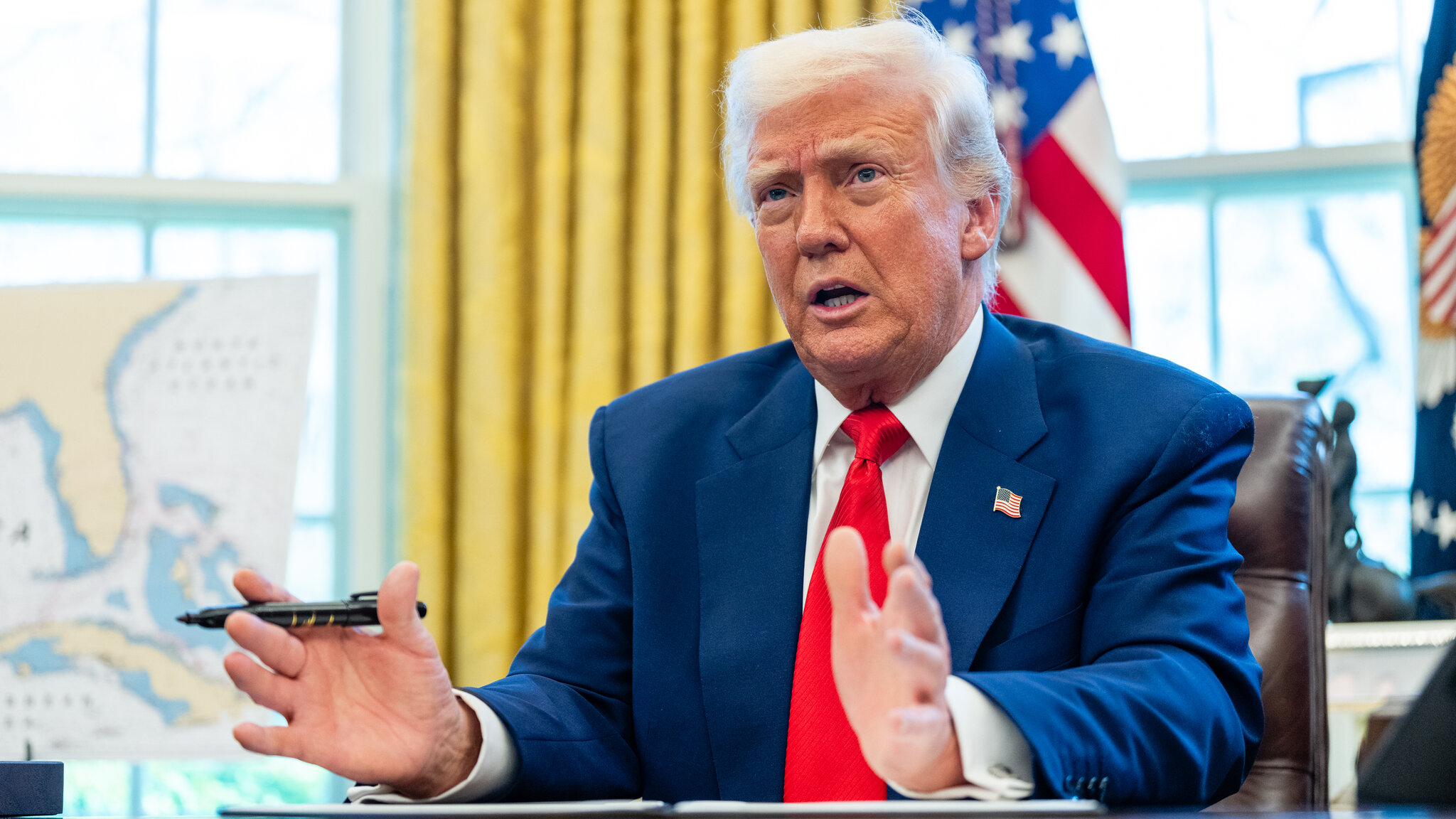
This past weekend, President Donald Trump indicated he’s “not in a hurry” to reach a deal with Iran, noting that “if you’re going to be in a hurry, you’re not going to make a good deal.” The president’s comments suggest an understanding that time is not currently on Iran’s side given the country’s internal political divisions and deteriorating domestic conditions.
Trump’s remarks demonstrate he is wearing his commander-in-chief hat rather than his political one, recognizing his chief responsibility as safeguarding America and its people.
The United States must further drive a wedge between current Iranian regime leadership, demoralize key figures, and intensify the growing internal blame game. One answer lies in psychological warfare—a strategy designed to weaken morale, create confusion, increase distrust, and exploit divisions within an enemy’s leadership structure.
Psychological warfare has ancient roots and was effectively employed by historical figures such as Alexander the Great and Genghis Khan. In The Art of War, Sun Tzu emphasized undermining an enemy’s morale and internal cohesion for strategic advantage. The U.S. military maintains a robust psychological operations capability, including training at the U.S. Army John F. Kennedy Special Warfare Center and School at Fort Bragg.
History shows that authoritarian regimes often fracture when officials conclude that loyalty poses greater personal risk than defection, making accountability a powerful psychological weapon. This writer has long advocated informing Iranian regime officials that they could face tribunal-styled trials after the conflict ends—just as Nazi officials were held accountable for atrocities during World War II.
Current Iranian regime officials must understand that the only way to avoid future prosecution is to defect or surrender now. Fully grasping these consequences could deepen divisions and intensify the internal blame game.
Others have similarly urged this approach: Dr. Walter Block, a scholar at Loyola University New Orleans, has called on President Trump to declare that Iranian regime members might face accountability under principles similar to those applied at Nuremberg following World War II. Former United Nations prosecutor Payam Akhavan has also stated, “The scale of the crimes is unprecedented. We are trying to set the stage for transitional justice in Iran, for the country’s Nuremberg moment.”
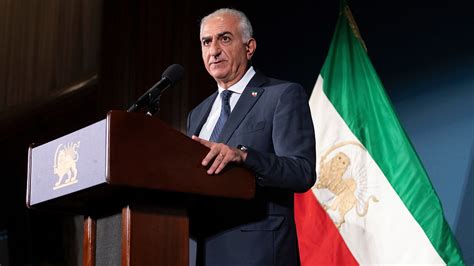
Crown Prince Reza Pahlavi has directly warned Supreme Leader Khamenei: “Just as the Nazi criminals were tried and punished at Nuremberg, you and your accomplices will also be tried and punished.”
President Trump has taken important steps to ensure Iran—currently the world’s leading state sponsor of terrorism—never acquires a nuclear weapon. The administration recognizes that time is not on Iran’s side as economic turmoil grows and internal divisions widen.
Effective psychological warfare can further intensify these fractures, weaken morale, and sow distrust among Iran’s leadership.