Western intelligence assessments confirm senior leaders and deputies have been killed in recent weeks, severing critical links between military, security, and civilian leadership. Surviving leaders have struggled to communicate and avoid direct contact due to fears that calls or messages could be intercepted and used to target them.
The disruption has severely weakened Iran’s ability to plan strategy, coordinate policy, or organize large-scale retaliatory attacks. While Iran’s military and security forces continue operations, the government’s overall decision-making capacity remains significantly degraded.
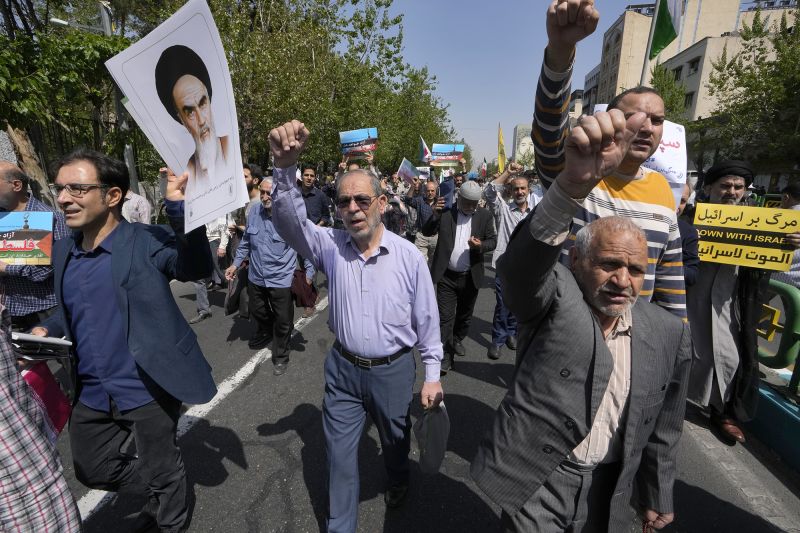
This breakdown complicates potential negotiations, as shifting leadership and unclear chains of command make it difficult for Iranian representatives to define positions or concessions. Negotiators may not fully know what their government is prepared to accept or who holds final authority. U.S. intelligence assessments indicate hard-line elements within the Islamic Revolutionary Guard Corps have gained influence following the disruption of traditional leadership structures.
It remains uncertain how much authority Iran’s current leadership retains, with some assessments suggesting military figures are driving key decisions rather than centralized civilian leadership. Despite these challenges, Iran continues to carry out attacks through decentralized command systems developed before the conflict—enabling regional units to launch strikes without direct orders from Tehran. Recent operations demonstrate this capability endures but have been smaller and less coordinated than in previous phases, directly tied to communication breakdowns and leadership losses following the strikes.
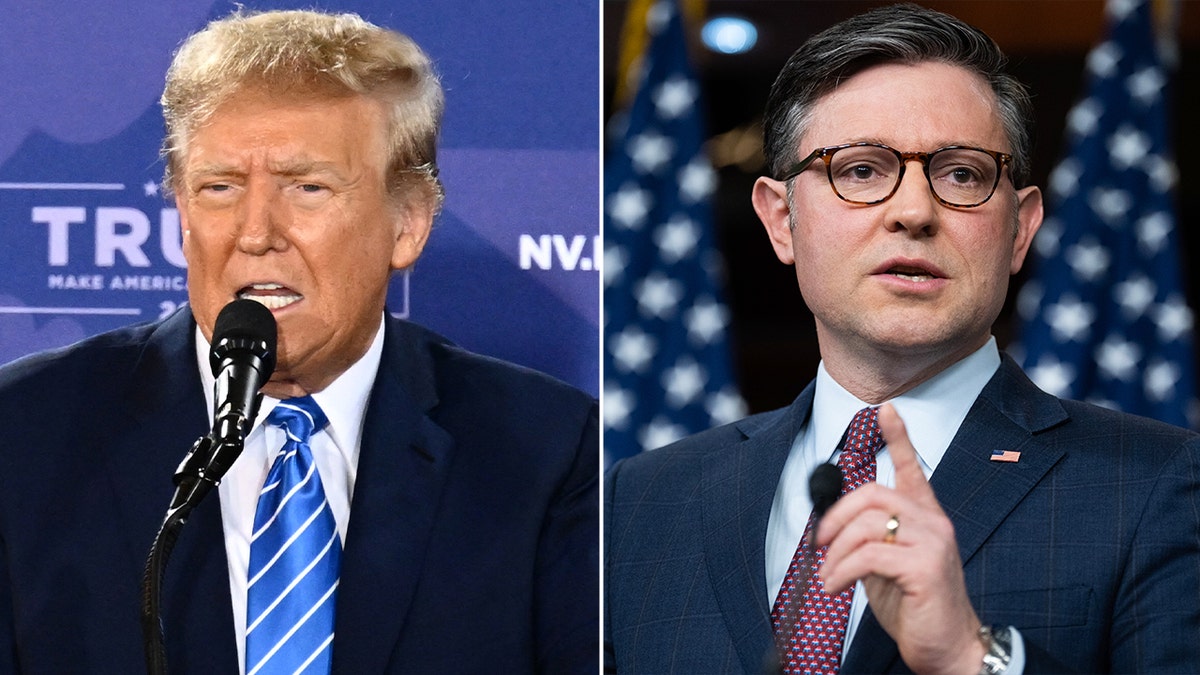
The leadership crisis has raised serious questions about whether any single authority can negotiate or enforce a potential agreement. President Donald Trump stated a new leadership group is in place and highlighted progress in discussions while warning military action could expand if a deal remains unachieved. Internal disorganization has contributed to mixed signals from Iranian representatives and slowed both military planning and diplomatic efforts. Secretary of State Marco Rubio declared Monday that the U.S. is targeting Iran’s military capabilities and expects to achieve its objectives “in a matter of weeks, not months.”