By Alex Johnson | Sunday, 12 July 2026 08:23 PM EDT
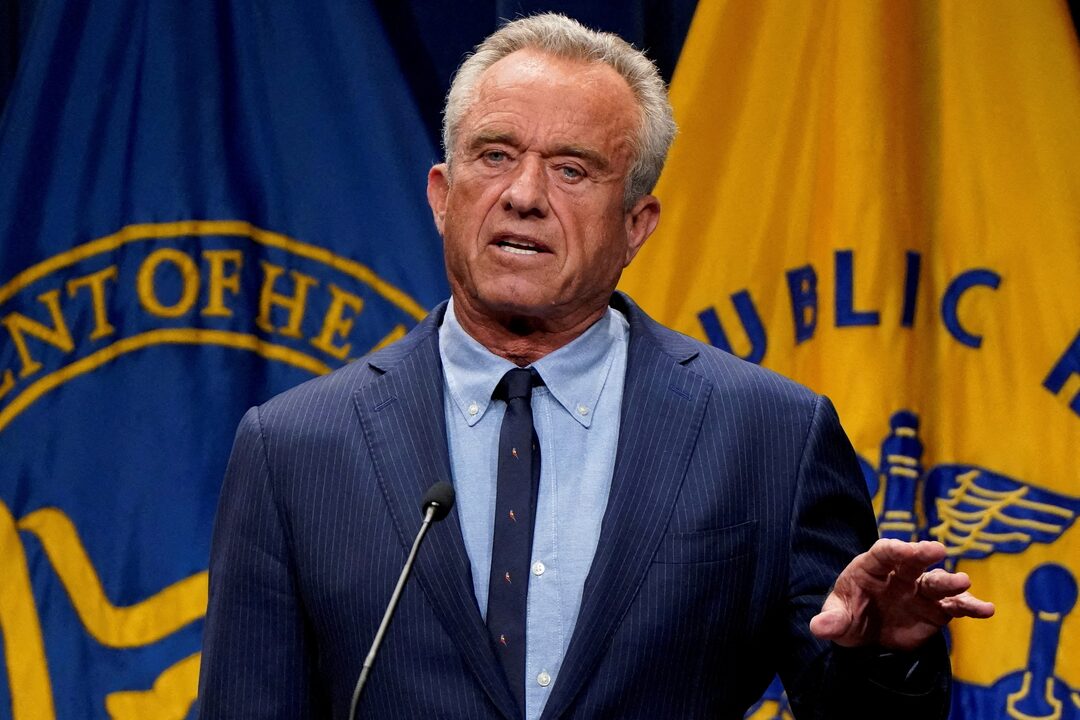
Health and Human Services Secretary Robert F. Kennedy Jr. is moving to overhaul a key federal panel that determines which preventive medical services must be covered by insurers at no cost to patients.
The U.S. Preventive Services Task Force is scheduled to meet in late August after months of delays, with as many as eight new members expected to join the panel following a series of actions by Kennedy to reshape its leadership.
The administration has blocked the task force from convening several times and declined to replace members whose terms had expired. In May, Kennedy dismissed the panel’s leadership.
The administration has also withheld the release of four task force recommendations, though it has not publicly explained why.
Senior HHS press secretary Emily Hilliard stated that the July meeting was postponed because the department received an “unprecedented number of nominations” for new members.
“The July meeting was postponed until late August to allow additional time for selection and onboarding of new members,” Hilliard said.
Kennedy has sharply criticized the task force’s work, arguing it has failed to keep pace with advances in preventive medicine. In April, he told a House committee: “That task force has been lackadaisical. It’s not been doing its job. If it had been doing its job, we would have early screening for Alzheimer’s.”
During a separate congressional hearing, Kennedy said the HHS was “bringing new members on who have a clear mission,” though he did not specify what that mission entails.
Established during the Reagan administration in 1984, the U.S. Preventive Services Task Force is an independent panel of medical experts that evaluates scientific evidence and issues recommendations on preventive health services, including cancer screenings, cardiovascular disease prevention, and medications to reduce the risk of HIV infection.
Its recommendations carry significant weight because the Affordable Care Act requires most private health insurers to cover preventive services that receive the task force’s highest grades — an “A” or “B” recommendation — without requiring patients to pay out-of-pocket costs.
Historically, the panel has operated largely outside partisan politics while maintaining bipartisan support in Congress. Although its recommendations have occasionally prompted debate within the medical community over the strength of scientific evidence, the task force itself has generally avoided becoming the focus of political disputes.


