Civil rights organizations have filed a federal lawsuit Wednesday challenging Florida’s new voting law that requires voters to provide proof of U.S. citizenship when state records cannot verify their status, arguing the measure risks disenfranchising eligible citizens and violating constitutional protections.
The complaint, filed in U.S. District Court for the Northern District of Florida, was brought by the Florida NAACP and the Florida Alliance for Retired Americans against Secretary of State Cord Byrd and election officials in all 67 counties.
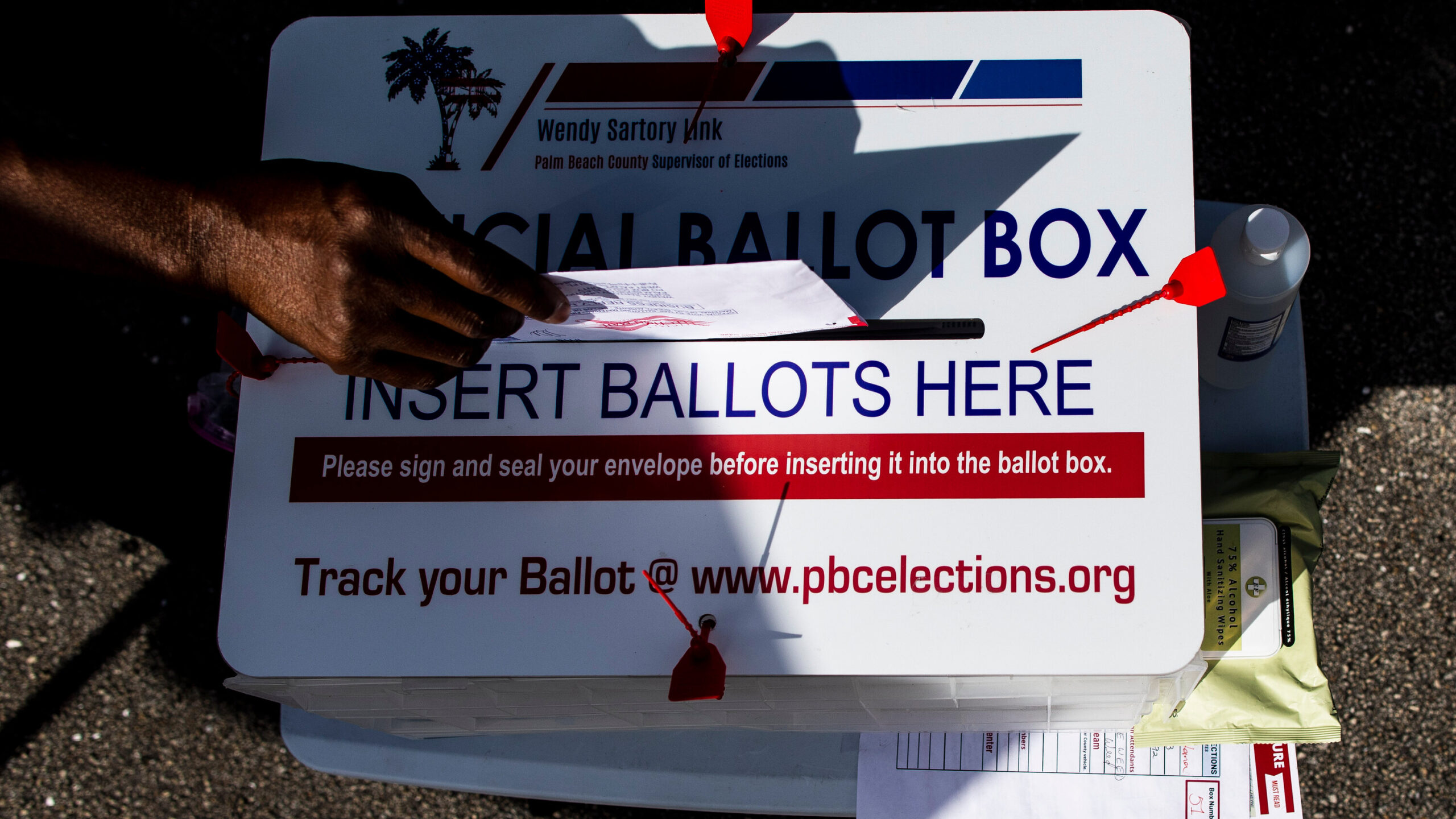
House Bill 991, recently signed into law, mandates that voters present documentation such as a valid U.S. passport, certified birth certificate, or naturalization papers if their citizenship status cannot be confirmed through state databases prior to registration approval or maintenance.
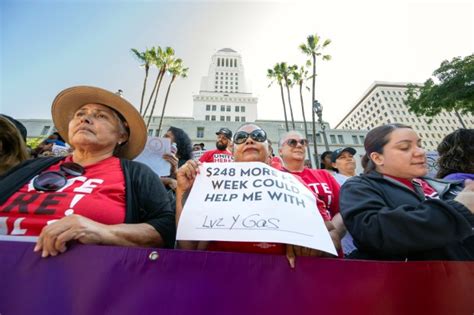
Plaintiffs argue the law imposes “undue burdens” on voting rights, particularly for minority, low-income, older adults, and disabled voters who may have difficulty accessing required documents like birth certificates or passports.
Under the law, voters whose citizenship cannot be verified must submit proof within a specified timeframe. Additionally, the measure requires a broad review of existing voter rolls; individuals flagged as “potentially ineligible” must provide proof of citizenship within 30 days or risk removal from the rolls.
The lawsuit contends that the policy could lead to widespread disenfranchisement, citing similar laws in other states. In Kansas, more than 30,000 voter registrations were blocked under a comparable requirement, and New Hampshire observers reported significant numbers of new voters being turned away after implementation of a similar law.
Plaintiffs also claim the law addresses a problem that is largely nonexistent. Florida state data indicates only a small number of suspected noncitizen voters among the state’s more than 13 million registered voters, with most cases resolved without action.
Federal law prohibits noncitizens from voting in U.S. federal elections and carries penalties including fines, up to one year in prison, and immigration consequences. Florida officials have defended House Bill 991 as necessary to protect election integrity.
The groups are seeking a court order to block enforcement of the law and a declaration that it violates the First and Fourteenth Amendments. If implemented, the plaintiffs warn, the requirements could make Florida’s elections “less accessible and less reflective” of eligible voters.