Two retired military veterans who served multiple presidents in uniform and in the diplomatic corps have sued the Trump administration to block construction of a massive triumphal arch planned near Arlington National Cemetery, arguing the project dishonors fallen service members.
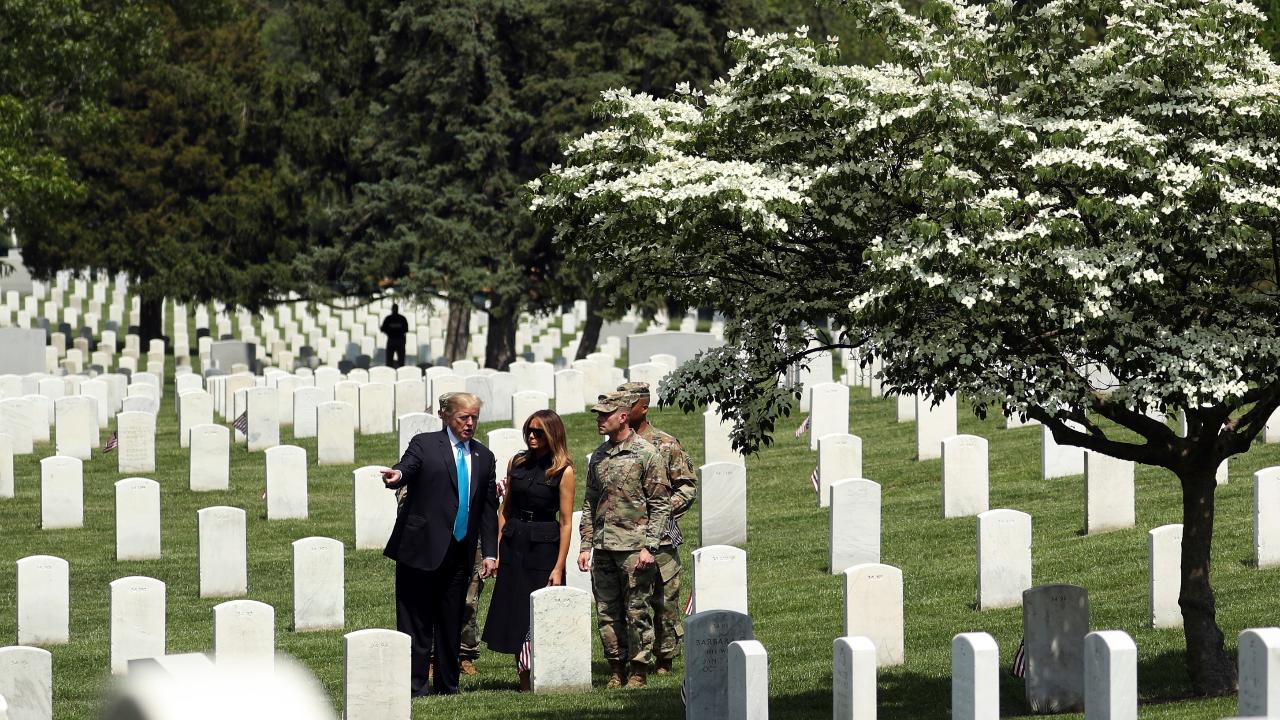
Retired Army Special Forces officer Jon Gundersen and Navy veteran Shaun Byrnes are among four plaintiffs challenging the proposed 250-foot arch slated for a traffic circle between Arlington National Cemetery and the Lincoln Memorial.
The lawsuit, filed in February alongside another Vietnam veteran and a historian, alleges the administration rushed the project without proper congressional authorization and failed to adequately consider its impact on the historic landscape surrounding Arlington and the National Mall.
The veterans argue the structure would disrupt the symbolic sightline between the Lincoln Memorial and the Robert E. Lee Memorial, a visual connection intended to reflect national reconciliation after the Civil War.
According to renderings released by the administration, the arch would tower more than twice as high as the Lincoln Memorial and resemble Paris’ Arc de Triomphe.
Gundersen rejected suggestions the lawsuit is politically motivated.
“I think what we’re doing is being loyal to the country,” Gundersen told reporters. “And loyalty can be measured in different ways.”
Byrnes, who served two tours in Vietnam, said he joined the legal fight out of duty to fallen comrades buried at Arlington.
“It’s more about the duty I feel towards my colleagues and friends who did not come home to stand up against this project, regardless of who’s in charge,” Byrnes said. “I think it’s just disrespectful to those that I served with who didn’t come back.”
Byrnes said the project has caused him to reconsider plans to eventually be buried at Arlington himself.
The Justice Department has asked the court to dismiss the lawsuit, arguing the plaintiffs lack legal standing.
Administration officials have maintained Congress effectively authorized the concept more than a century ago through a plan calling for “two stately columns” representing the North and South.
Last month, a federal judge denied a request to temporarily halt the project while litigation proceeds.
President Donald Trump has enthusiastically backed the development, unveiling a model of the structure last year in the Oval Office and calling it “fantastic.”
The proposal advanced last week when the U.S. Commission for Fine Arts approved the design despite what officials acknowledged was overwhelming public opposition.
According to reports from the commission meeting, Secretary Thomas Luebke said every public comment submitted opposed the project. Another federal planning body could take up final approval as early as next month.
Despite the legal setback last month, the plaintiffs vowed to continue fighting the project in court.
“We have fought for our country. We believe in this country, and we’re going to continue to the end,” Gundersen said. “I think we can change things.”