President Donald Trump and Treasury Secretary Scott Bessent stated Thursday that China could play a major role in reopening the Strait of Hormuz as the White House intensifies pressure on Beijing to leverage its economic influence over Iran amid escalating regional conflict and global energy shortages.
Bessent, speaking from Beijing, indicated that reinstating the waterway is “very much” in China’s interest and predicted Chinese authorities would work behind the scenes to influence Iranian leadership. Administration officials described Bessent’s assertion that China would take steps to facilitate reopening the strait.
Trump emphasized during an interview with Fox News host Sean Hannity that Chinese President Xi Jinping “would love to be a help” and seeks restoration of the strategically vital shipping lane. However, China has not committed to specific interventions or mediation efforts aimed at pressuring Iran to reopen the strait. Instead, Beijing has issued statements advocating for stability, restraint, and uninterrupted commercial shipping through the channel.
A Chinese Foreign Ministry official recently stated that maintaining the Strait of Hormuz “safe, stable and unimpeded” serves international interests. During a recent call with Saudi Crown Prince Mohammed bin Salman, Xi reportedly stressed that the strait should remain open for normal passage.
The Trump administration has urged Beijing to assume a more active diplomatic role with Tehran because China remains Iran’s largest crude oil buyer and one of the few nations with direct economic leverage over the Iranian regime. Trump also noted that Xi pledged China would not supply military equipment to Iran, addressing U.S. allegations that Chinese-linked firms had considered transferring missile technology during the conflict.
The administration has not specified any conditions China might demand in exchange for assistance with Hormuz security or broader negotiations. Analysts speculate Beijing could seek concessions tied to tariffs, sanctions relief, technology restrictions, Taiwan policy, or expanded access to U.S. energy exports.
White House officials stated that Xi expressed interest in purchasing more American oil to reduce vulnerability to disruptions in the Strait of Hormuz. However, Chinese state media has not confirmed these discussions.
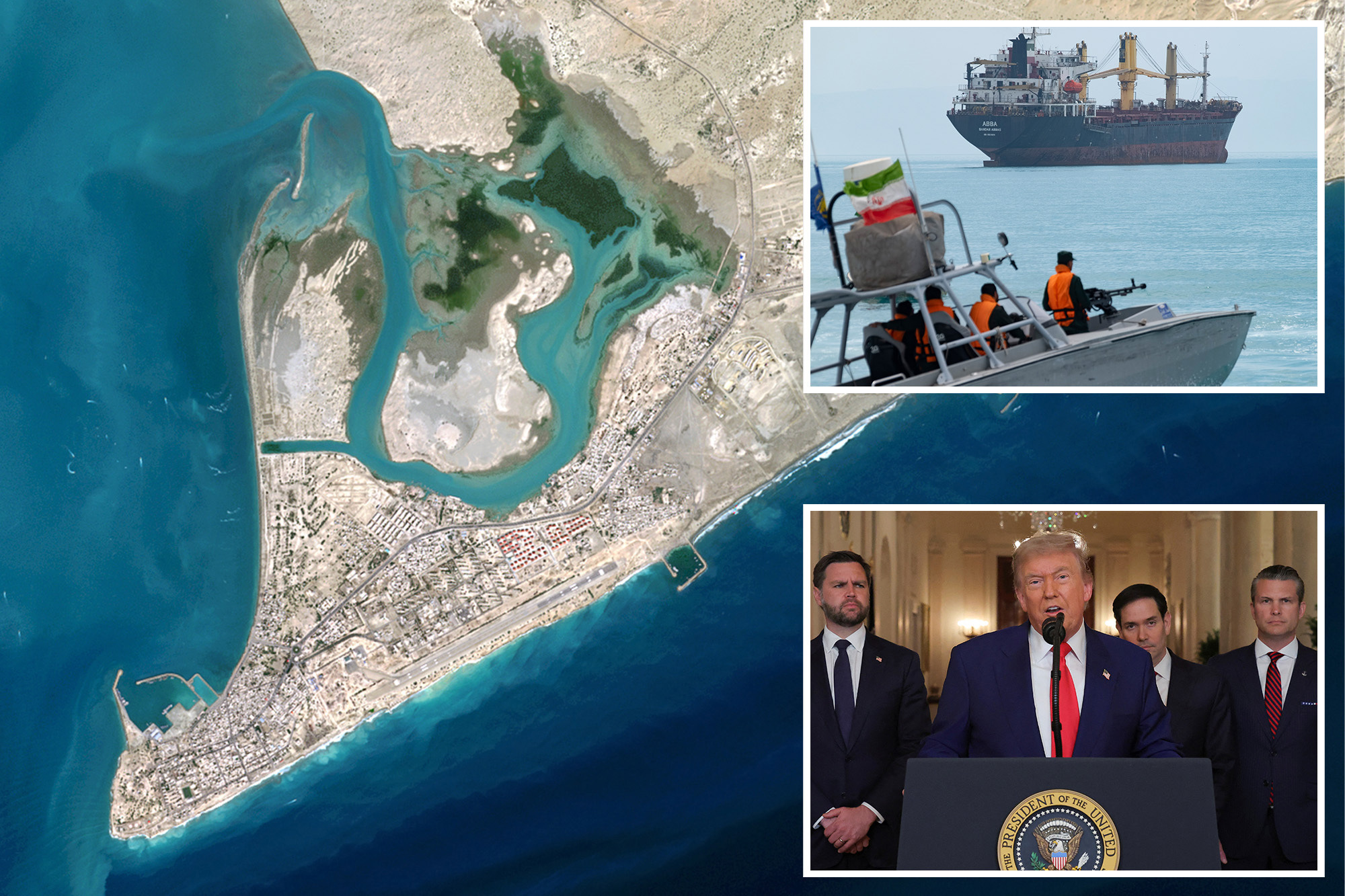
The Strait of Hormuz has become the central economic flashpoint of the Iran conflict because approximately one-fifth of global seaborne oil trade passes through the narrow channel between Iran and Oman. The waterway also handles major liquefied natural gas shipments and a significant share of fertilizer exports, meaning prolonged closures would trigger immediate spikes in fuel prices, shipping costs, and agricultural disruptions worldwide.
Iran shut the strait following U.S. and Israeli strikes earlier this year, prompting attacks on commercial vessels, insurance rate hikes, rerouted shipping traffic, and volatile oil markets. Recent developments indicate that some ships, including Chinese vessels, have been allowed through the strait under what appears to be a limited understanding between Tehran and Beijing. Iran’s Fars news agency reported that the arrangement followed diplomatic requests from China’s foreign ministry and ambassador.
Despite these signs of cooperation, security risks remain severe. Iran has recently demanded that ships entering the strait coordinate with Iranian naval forces after seizing a vessel near the United Arab Emirates. China faces significant exposure to the crisis because a major portion of its imported oil travels through Hormuz, leaving Beijing vulnerable to prolonged instability in Gulf shipping lanes. Trump emphasized during his Fox News interview that it is “clear that China has a strong interest” in keeping the passage open.
Currently, the administration’s claims about Chinese assistance rely on private discussions described by Trump and Bessent rather than any formal commitment from Beijing.