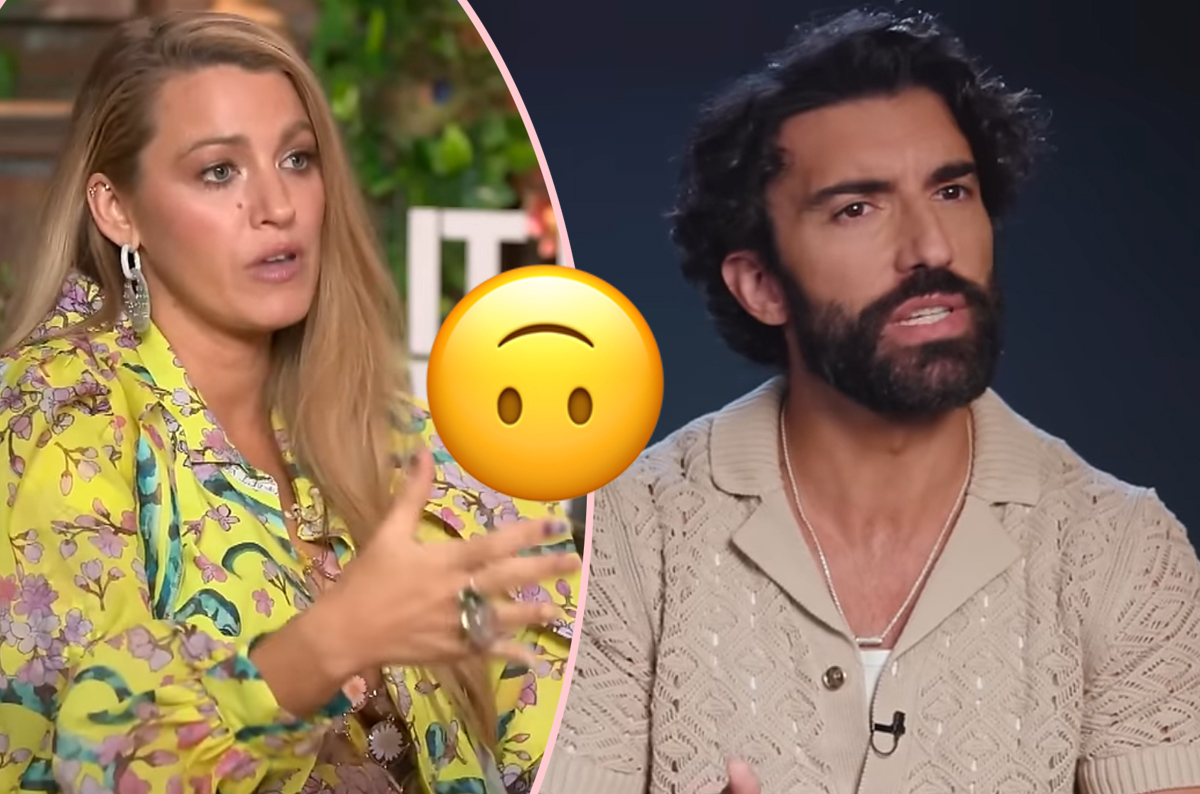
Blake Lively is alleging that a targeted smear campaign by Justin Baldoni, her co-star from the film “It Ends With Us,” has cost her an estimated $40 million in career damage.
With their trial set to begin on May 18, Lively’s legal team submitted detailed evidence of the alleged financial fallout stemming from their public rift. The filings, filed on April 17, reveal that Lively’s expert witness, Dr. Ashlee Humphreys, a marketing communications professor at Northwestern University, identified a massive spike in negative public perception.
According to Dr. Humphreys’ memorandum, Baldoni’s use of the retaliatory phrases “tone deaf,” “bully,” and “mean girl” generated 176,738,781 impressions, an impact valued between $36.5 million and $40.5 million.
Lively’s legal team also targeted statements made by Baldoni’s attorney, Bryan Freedman. The filing alleges that Freedman’s comments during the legal battle contributed an additional 116,959,530 impressions, amounting to $24,375,267 in damages.
Dr. Humphreys quantified the reach of specific phrases and statements to calculate “particular dollar damages” for the reputational harm Lively claims she endured.
Baldoni and his legal team at Wayfarer Studios have presented a counter-narrative. In an opposition filing dated April 20, they argued that Lively’s reputation was already struggling before their legal battle began.
The filing contends that being labeled “a mean girl,” “bully,” “difficult to work with,” or “tone deaf” during the alleged campaign did not cause further harm because those narratives were widely circulated prior to Lively encountering Baldoni.
Lively plans to seek tens of millions of dollars from a jury, arguing that her “previously sterling” reputation was tarnished. Baldoni’s team counters that evidence will show she “soured her own reputation” through actions before the conflict.
Earlier this month, a New York judge dismissed 10 of Lively’s 13 allegations against Baldoni and his associates. The sexual harassment claims were dropped due to a legal technicality regarding Lively’s status as an independent contractor rather than an employee.
Despite these dismissals, the judge ruled that enough evidence exists for trial on claims of retaliation, breach of contract, and aiding and abetting retaliation. The order noted “some direct evidence that the plan to destroy Lively and her career was put into action.”
Ultimately, a jury will determine whether the viral backlash against Lively was “organic” or “artificial,” and whether the defendants’ actions were intended for self-protection or designed to “destroy Lively personally and her career.”