By Tomas Philipson | Tuesday, 09 June 2026 04:47 PM EDT
Every time you shop at a store or buy new clothes, you’re paying for an invisible cost: the price of moving goods across America. This cost isn’t on your receipt but is real—it’s built into nearly everything you purchase and strains family budgets today.
Trucking moves more than 60% of all domestic goods in the U.S. Shipping costs are passed directly to businesses, retailers, and ultimately consumers. The rising costs stem from a chronic driver shortage, expensive fuel prices, and outdated regulations designed for an older era.
The industry needs to hire 1.2 million new drivers over the next decade to meet demand growth. With fewer drivers, deliveries slow, freight rates rise, and prices at checkout increase.
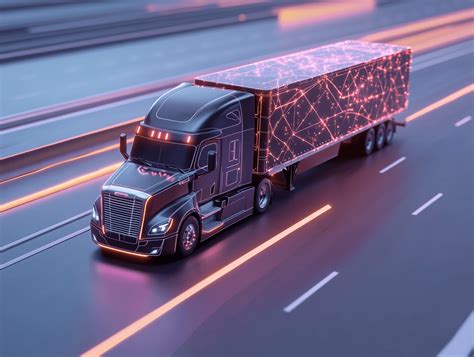
That’s why autonomous trucking matters for consumers. A recent economic analysis projects self-driving freight could return $9 billion annually by 2035—making movement faster, safer, and less expensive.
Today, long-haul trucks face strict federal regulations limiting daily driving hours. Autonomous systems can operate longer without rest, increasing each truck’s capacity.
Goods move faster, capacity expands, and costs decrease. A new analysis estimates $5.7 billion in annual fuel savings from more efficient driving, plus significant insurance cost reductions as safety improves. These gains could cut operating costs by 15 to 25 percent per mile.
When it costs less to move goods, everything else becomes cheaper. Over time, those efficiencies translate directly into lower prices for consumers—that’s how supply chain improvements turn into real relief.
Self-driving trucks are already delivering goods commercially in Texas, where lawmakers created a clear framework for autonomous vehicles. This strategy has positioned the state as a leading testing ground for the technology.
The Trump administration recently took a step toward solving this issue nationally by removing a regulatory double standard that fast-tracked exemptions for foreign-made autonomous vehicles while U.S.-built trucks faced unnecessary delays. It was an overdue fix and a signal that Washington is starting to take this issue seriously.
The safety case is equally compelling. Every year, more than 5,000 people die in large truck crashes, with human error as the leading cause. In federal cost-benefit analyses, the loss of life represents about $75 billion annually. Autonomous technology could prevent hundreds of fatalities and thousands of injuries each year—reducing both human and economic costs.
Autonomous trucking isn’t about replacing drivers; it’s about strengthening the workforce. Human drivers will remain essential for local deliveries while technology takes pressure off long-haul routes that are hardest to fill.
The sector currently supports 17,000 jobs, with 82% of workers earning above the national median wage—many without a college degree.
High prices aren’t just about monetary and fiscal policy. They stem from inefficiencies in productivity and capacity. Making it cheaper and easier to move goods nationally is one of the most practical steps we can take to lower consumer costs.
The unseen cost Americans pay each day is due to inefficiency. Smarter freight methods are one of the simplest ways to bring them down.