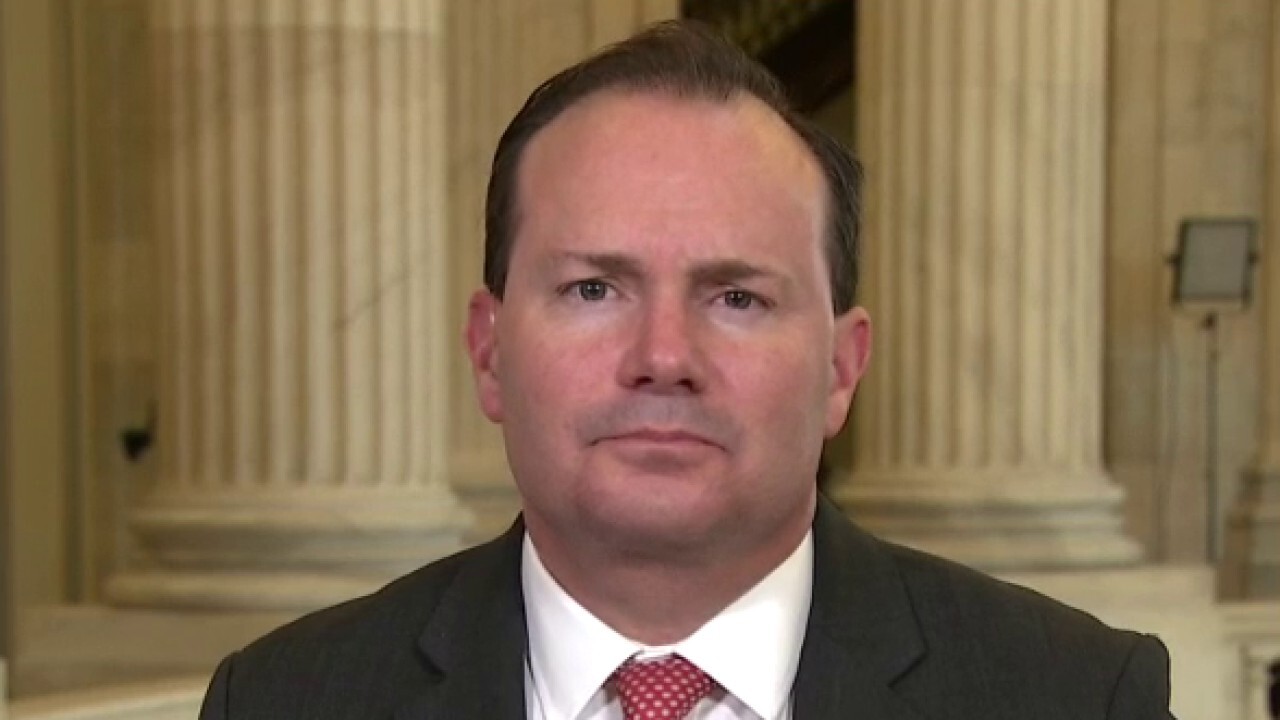
On Sunday, U.S. Senator Mike Rounds asserted that neutralizing Iran’s nuclear ambitions would represent “a major step forward” for peace in the Middle East and allow America to refocus its military priorities worldwide.
Speaking during special coverage on Newsmax’s Greta Van Susteren, Rounds explained that transforming Iran into a nation without nuclear weapons or ballistic missiles threatening its neighbors could foster regional stability. “If we turn them into a nation that actually is looking at a future without nuclear weapons and without ballistic missiles that threaten their neighbors, the Middle East can become more peaceful,” he said.
Rounds, a member of the Senate Armed Services Committee, noted that eliminating Iran’s threat would enable the United States to realign its defensive and offensive capabilities. “We want to be in a position where we know where the threats are to the United States,” he stated. “If we can eliminate this particular threat and bring peace back into that region, this is a major step forward.”
Rounds emphasized that President Donald Trump understands the strategic imperative of such action. “He talked about North America and the defense for North America and not forgetting about our own country,” Rounds added. “Trump is starting now to work our way down the line of identifying those threats that clearly have been there and that have not been addressed.”
When asked whether senators had received specific briefings on the operation, Rounds clarified no direct briefing occurred for the action itself. However, he noted lawmakers on key committees have monitored Iran’s activities for over a year: “Those of us on the Armed Services Committee and Intel Committee have been following this for literally more than a year in terms of what has been going on with their nuclear activities, their continued development of ballistic missiles, the number available, and rebuilding resources.”
Rounds described recent strikes as targeting facilities but leaving concerns about buried nuclear materials intact. He also confirmed diplomatic efforts had reached exhaustion: “It was just a matter of how long we could go with trying to have diplomatic approaches to end this threat. And very clearly, they did not have an interest in doing that.”
Comparing the situation to U.S.-backed operations in Venezuela, Rounds highlighted the critical difference in Iran’s context: “The circumstances in Iran are different because they involve the potential collapse of a regime’s top leadership.” He added that the Iranian regime has lost its leader, Ayatollah Ali Khamenei, who was killed in a bombing Saturday.
“The Iranian people now have the opportunity to decide the nation’s future,” Rounds stated. “It’s up to them to decide, and then we’ll respond based upon what the Iranian response is to having this loss of authority for this evil dictatorship.”
Rounds reiterated that Iran had multiple opportunities to curb its nuclear program during direct talks with the United States: “They had seven or eight direct meetings between the United States and Iran. They didn’t take the opportunity to get rid of the nuclear weapons.” He concluded, “President Trump means what he says, and when the clock is up and he’s had enough, he acts.” Rounds added that the message has been clear globally: “He doesn’t just draw red lines and not do anything.”