President Donald Trump announced Thursday a 10-day pause on potential U.S. action against Iran’s energy infrastructure, extending the deadline for possible strikes to Monday, April 6, 2026, at 8 P.M., Eastern Time, as negotiations over ending the conflict continue.
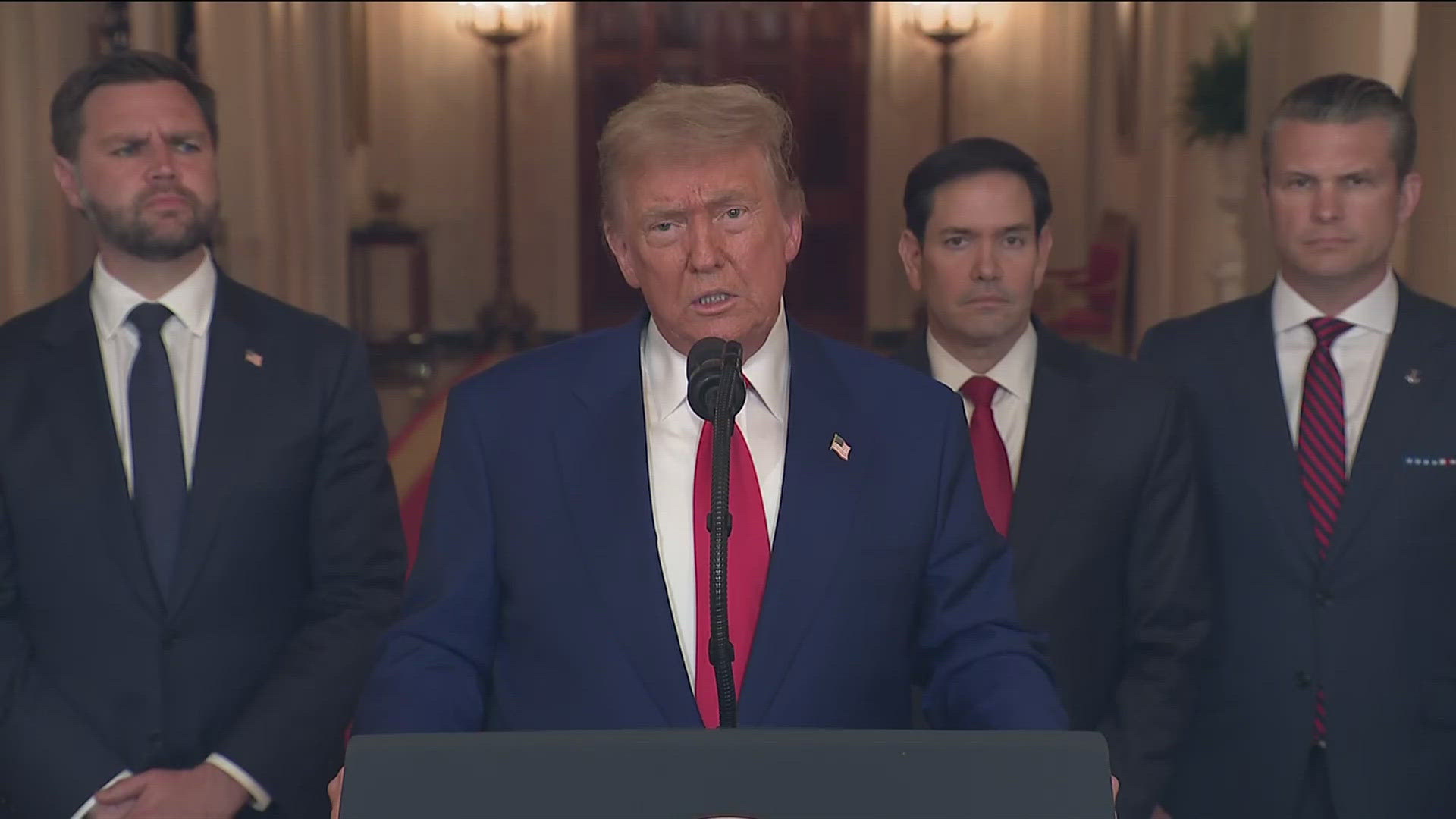
In a statement on Truth Social, Trump wrote: “As per Iranian Government request, please let this statement serve to represent that I am pausing the period of Energy Plant destruction by 10 Days to Monday, April 6, 2026, at 8 P.M., Eastern Time.” He added, “Talks are ongoing and, despite erroneous statements to the contrary by the Fake News Media, and others, they are going very well.”
The deadline Trump referenced was initially set for late March, when U.S. officials warned that without diplomatic progress, Washington could support or carry out strikes targeting Iran’s oil production and power generation capacity. This initial deadline had been pushed back once after indirect contacts began through regional intermediaries, with U.S. officials stating at the time that “constructive channels” had opened and warranted additional time.
Trump’s latest move marks a second postponement and explicitly attributes the delay to an “Iranian Government request,” though Iranian officials have not publicly confirmed such a request. Senior U.S. officials describe ongoing talks as focused on a broader de-escalation framework, including a ceasefire understanding, constraints on Iran-backed forces operating in the region, and potential sanctions relief tied to verifiable steps by Tehran.
One U.S. official familiar with discussions stated the administration believes “there is real movement, but gaps remain,” underscoring the tentative nature of the progress Trump cited. Iranian officials have publicly expressed skepticism and at times outright disdain for U.S. proposals, with state media rejecting what they call “one-sided conditions” and warning that pressure tactics will fail.
Iran’s foreign ministry has asserted that any agreement must be based on “mutual respect and tangible guarantees,” adding that “threats and deadlines are incompatible with serious diplomacy.” The contrasting narratives highlight the fragile state of negotiations, with Washington emphasizing incremental progress while Tehran signals it is far from accepting the terms offered.
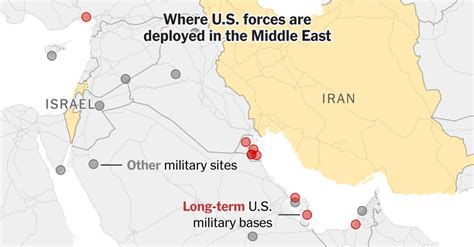
The repeated extensions reflect high stakes surrounding potential strikes on Iran’s energy sector, which analysts warn could trigger retaliation and further destabilize global energy markets. Concerns are especially acute around the Strait of Hormuz, a critical shipping route for global oil supplies where any escalation could disrupt flows and drive prices higher.
By delaying action again, Trump appears to be buying time for diplomacy while maintaining pressure, signaling that the United States is prepared to act if talks fail but is willing to hold off as long as negotiations show signs of life. With the new April 6 deadline in place, officials say the coming days will be critical in determining whether the negotiations yield a breakthrough or collapse, potentially setting the stage for a sharper escalation.