Air travel disruptions across the United States are intensifying as a prolonged Department of Homeland Security funding lapse strains the Transportation Security Administration, raising urgent concerns that smaller airports could face partial or complete shutdowns in coming weeks.
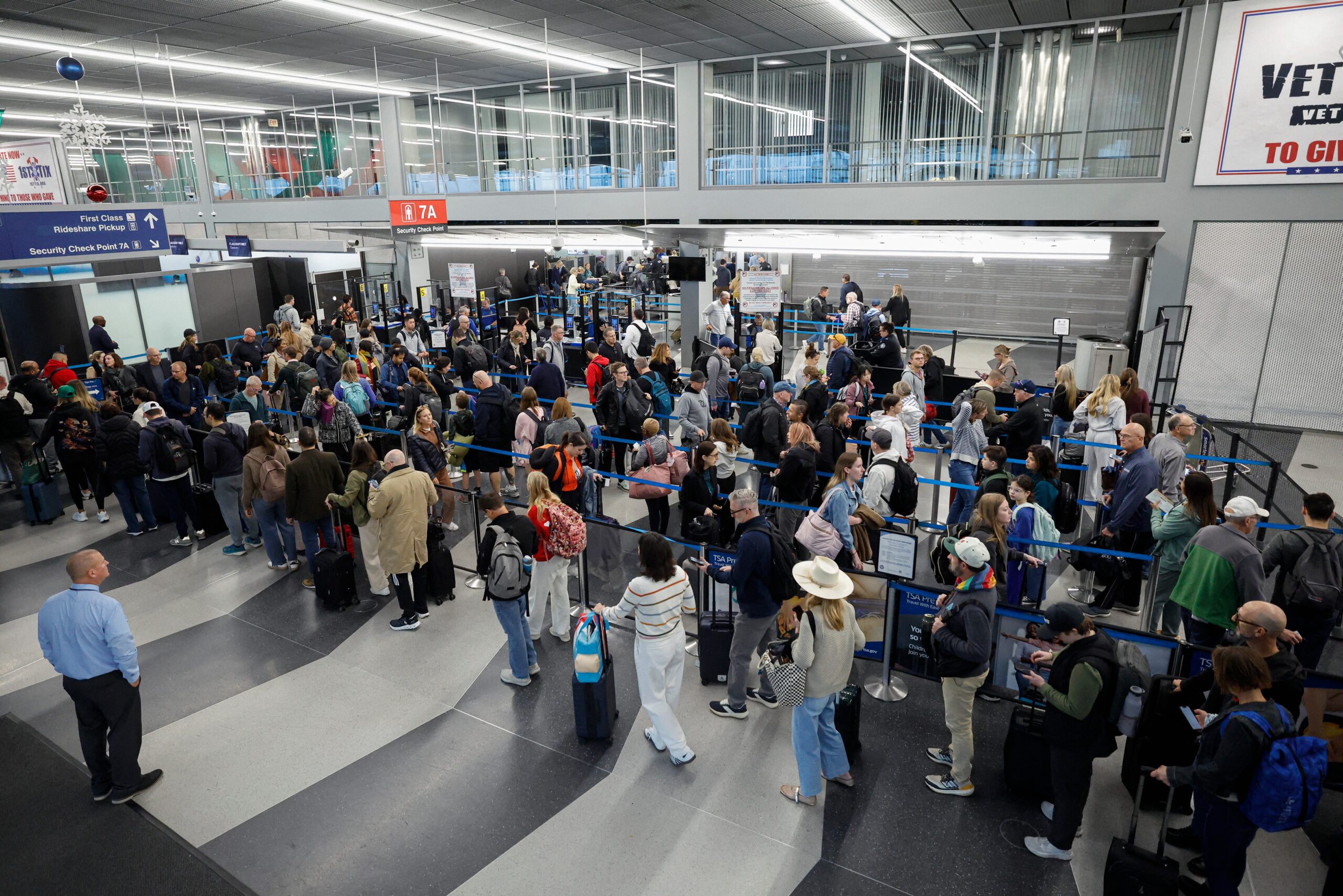
At major hubs, severe delays have already emerged. On Saturday morning, Hartsfield-Jackson Atlanta International Airport—the world’s busiest—reported security wait times exceeding two hours. Similar delays were observed at New York’s LaGuardia, where passengers faced waits of more than two hours, while JFK and Newark airports reported lines stretching beyond 35 minutes.
Nationwide, airports including Houston, Charlotte, Chicago, Dallas, Denver, Orlando, and Philadelphia have experienced significant slowdowns, with some security lines extending past three hours.
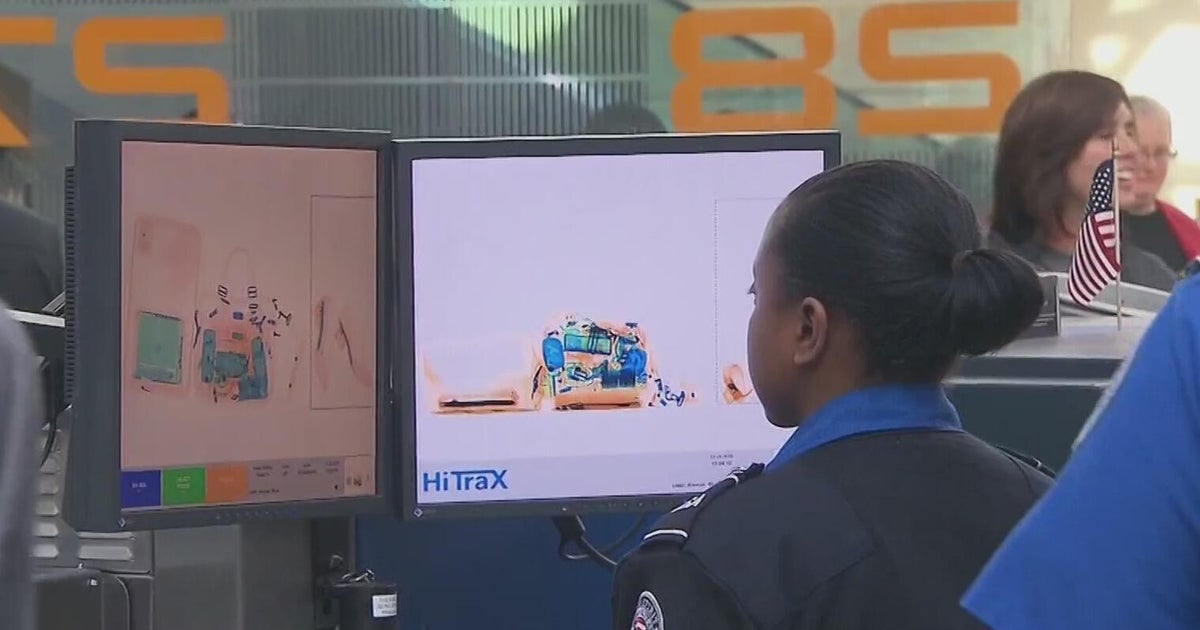
The crisis stems from widespread absenteeism among TSA officers, many of whom have gone unpaid since the funding lapse began on February 14. Thousands report daily absences, and at least 376 workers have already resigned, leaving roughly 50,000 officers to manage growing passenger volumes.
Operational strain has become evident in Phoenix, where checkpoints at Sky Harbor’s Terminal 4 were forced to close due to staffing shortages. A Sky Harbor airport spokesperson warned travelers: “Given today’s situation, we are expecting longer lines and wait times. It is critical to give yourself plenty of extra time.” The spokesperson urged passengers to arrive at least two hours before domestic flights and three hours for international departures.
By midday Saturday, more than 1,300 flights had been delayed nationwide, with dozens canceled according to FlightAware data.
Acting Deputy Administrator Adam Stahl warned in a statement this week that if absentee rates continue to climb, the agency may be forced to scale back or even suspend operations at certain airports. “It’s not hyperbole to suggest that we may have to quite literally shut down airports, particularly smaller ones,” he said. “We make these determinations on an airport-by-airport basis. As the weeks continue, our TSA officers, as long as they don’t get paid, they’re going to continue to call out, they can’t afford to come in, and they’re going to quit altogether.”
The implications are especially acute for regional and smaller airports, which operate with thinner staffing margins and less flexibility than major hubs. While large airports have absorbed disruptions through longer lines, smaller facilities may lack the personnel to keep security checkpoints open. Experts warn that without a resolution to the funding impasse, the current disruptions could mark the early stages of a broader breakdown in U.S. air travel infrastructure, with smaller airports likely to bear the brunt first.
Separately, Tesla CEO Elon Musk has offered to ease the financial burden by paying TSA employee salaries until an agreement is reached in Washington.