By Fred Fleitz
Thursday, 23 July 2026 10:35 AM EDT
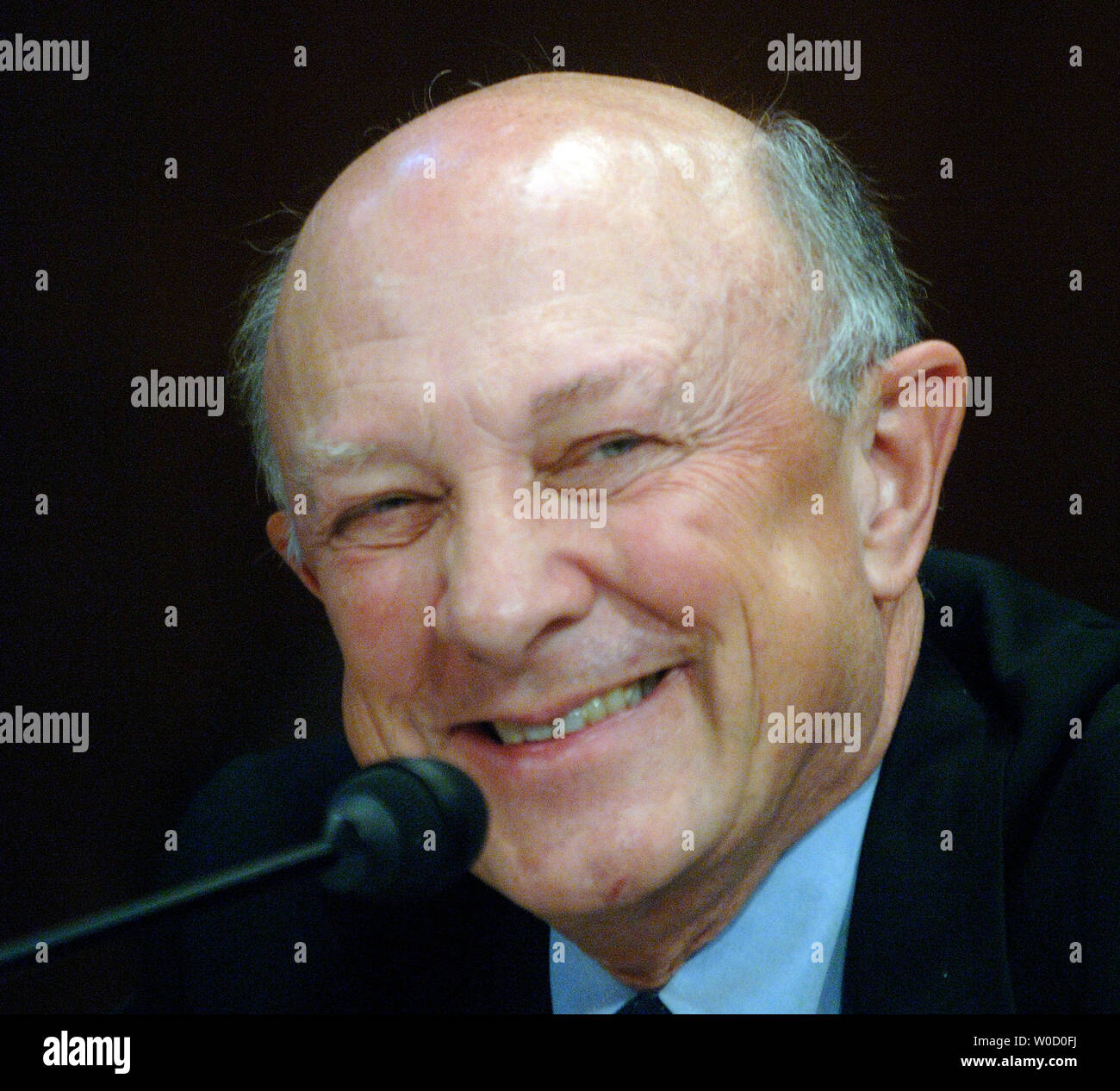
The nation lost one of its most dedicated and clear-eyed defenders of freedom with the passing this week of James Woolsey at the age of 84.
A Rhodes Scholar, lawyer, and public servant who held senior national security positions in both Republican and Democratic administrations, Woolsey embodied the best of the American tradition: principled, patriotic, and unwavering in his commitment to keeping our nation safe in a dangerous world.
Woolsey’s resume reads like a master class in Cold War and post-Cold War leadership.
He served as Director of Central Intelligence under President Bill Clinton from 1993 to 1995. Earlier, he was Under Secretary of the Navy in the Carter administration.
He also was a key arms control negotiator in the Reagan era — including roles in the Strategic Arms Reduction Talks (START) and the Conventional Armed Forces in Europe (CFE) negotiations and held other vital posts that shaped America’s defense posture.
He was a leading voice on emerging threats long before they captured headlines. Woolsey became one of the foremost experts warning about the dangers of electromagnetic pulse (EMP) attacks that could devastate America’s electric grid and critical infrastructure.
Working closely with his good friend the late Peter Vincent Pry, Woolsey’s congressional testimony, articles, and op-eds helped elevate this existential risk to the forefront of national security policy in Washington.
Those of us who knew Jim personally will remember a man of sharp intellect, dry wit, and genuine warmth. He was a frequent and valued guest on Newsmax TV, where his insights on intelligence matters, global threats, and national security consistently cut through the noise with clarity and authority.
Newsmax CEO Christopher Ruddy spoke for many this week when he praised his friend: “Few people I have known have had the passion for keeping America free and safe like Jim Woolsey. We will miss his straightforward, apolitical analysis of the world scene.”
Woolsey’s tenure at the CIA came during the Clinton administration, a turbulent transition with a weak president who had little interest in national security.
Yet even amid those challenges, he remained determined to protect our nation.
Washington insiders in the 1990s joked that a small plane that crashed onto the White House lawn in 1994 was Woolsey trying to get a briefing with President Clinton.
The quip captured a deeper truth: Jim worked tirelessly to deliver critical intelligence to the highest levels, even when access proved frustratingly elusive.
Woolsey’s tenure as CIA director was overshadowed by the 1994 arrest of Aldrich Ames, a senior CIA operations officer who had spied for the Soviet Union and then Russia for nearly a decade.
One of the most damaging traitors in American intelligence history, Ames compromised dozens of U.S. sources, many of whom were executed as a result of his betrayal.
Woolsey concluded this scandal was a profound systemic failure — a breakdown in accountability and professionalism at the senior levels of the agency.
A “Scoop Jackson Democrat” by background, Woolsey evolved after his frustrating experience in the Clinton administration into an influential Republican national security voice.
He advised on energy security, served on commissions like the Rumsfeld Commission on ballistic missile threats, and continued to contribute to the national security debate into his later years.
In September 2016, Woolsey endorsed Donald Trump for president and joined the campaign as a national security adviser. He was a natural fit, sharing the president-elect’s skepticism of unbalanced free trade deals and his insistence that allies such as Germany, South Korea, and Saudi Arabia contribute more to their own defense.
In an age when national security debates too often descend into partisan shouting matches, Jim Woolsey reminded us that true expertise and dedication transcend party labels.
He understood that threats — from Soviet expansionism in his early career to modern perils like EMP, terrorism, and great-power competition — demand serious, fact-based responses.
I was grateful for Jim’s friendship over the years. Our many conversations on EMP protection, nuclear proliferation, North Korea, and intelligence reform were always enlightening. America owes a profound debt to patriots like R. James Woolsey who devoted their lives not to personal acclaim but to the defense of the Republic. May his legacy inspire a new generation to serve with the same integrity, foresight, and resolve.